
Back to Basics: Check Your Posture

It’s easy to neglect the basics, but improving your posture can help you feel better physically and emotionally.
At some point in our lives, we probably stopped hearing those warnings and stopped paying attention to our posture. After all, there were so many other important things to think about, right?
Now that you’re an adult with your own health concerns, you most likely focus your attention on what you’re eating and how you’re exercising. We tend to get so caught up with the latest trends and studies that we forget about basic self-care concepts like not sitting for too long, eating enough fruits and vegetables, and having good posture.
Good Posture and Health
When was the last time you considered your posture as an important aspect of your health? Take a second and think about it as you read this article. Are you slouched over your desk or are you hunched over a smartphone screen, creating a “text neck” problem? All too often a position that initially feels comfortable can make us feel worse than we did to begin with.
Having better posture will help you feel better emotionally and physically. It’s possible that the back pain you’re dealing with stems from poor posture. Complaints ranging from lower back pain and neck pain to headaches, TMJ disorder, and plantar fasciitis all have been associated with poor posture.
In fact, discomfort and pain are the tell-tale signs of poor posture. When you place added stress on your body, you aren’t comfortable, and when you’re in pain, you adapt your posture to accommodate the pain, which may cause anatomical changes and ultimately puts more stress on your spine. Over time, you may even develop digestive and cardiopulmonary problems from issues related to your poor posture. Poor posture creates a chain reaction throughout the body.
So What Exactly Is Good Posture?
So what does good posture look like? The American Chiropractic Association (ACA) puts it best: good posture is when all of the parts of your body are both balanced and supported. While standing you’d be able to draw a straight line all the way from your earlobes through your hips and knees. According to Dr. Mallika Marshall of CBS’s The Saturday Early Show, when you have good posture, your bones are properly aligned, which is necessary for your muscles, joints, ligaments, and internal organs to work properly.
Don’t be alarmed, though, if that line isn’t straight: It’s totally possible to correct your posture. In fact, it’s easier to fix your posture than it is to lose weight, so don’t lose hope.
How Can You Improve Your Posture?
Here are some ways to develop better posture, courtesy of the ACA:
- When sitting, keep your ankles in front of your knees and avoid crossing your legs. Also, make sure your lower or mid-back is supported (adjust the backrest of your chair or use a small cushion for support).
- Try to sleep on your side with a pillow between your knees or on your back with a pillow under your knees in order to help support your alignment.
- When walking or standing, keep your stomach tucked in and make sure your earlobes line up with your shoulders — this helps ensure that you’re not pushing your head too far forward or backward.
With time and with practice, you can gain and maintain good posture. Talk to your chiropractor — he or she can check your posture, suggest exercises, and make personalized recommendations that fit your abilities and lifestyle. During your appointment, your doctor of chiropractic can also make adjustments to help with any misalignments in your spine.
Image by: zestmarina / 123RF Stock Photo.
About the Writer
tech
Exercise and Excessive Sitting

According to researchers at the University of Texas at Austin, it’s important to limit the amount of time spent sitting every day, regardless of how much exercise you get.
Many people think that if they work out, even sporadically, that it will offset the hours they spend sitting at a desk at work, or on the couch at home.
But recent research has found that a single, vigorous workout does little to counteract the effects of prolonged sitting, while frequent walking in addition to exercise seems to have a better influence on triglyceride levels. The study, published in November 2016 in The American Journal of Physiology–Endocrinology and Metabolism, compared the triglyceride levels of young, healthy males who sat for extended periods of time and exercised periodically with the levels of those who were more active generally.
Exercise Resistance?
For the study, researchers at the University of Texas at Austin required seven healthy, young, male volunteers to wear monitors and engage in four active days followed by four sedentary days. On the active days, the participants walked as often as possible, logging more than 17,000 daily steps, and sat for roughly eight hours each day. On sedentary days, they sat for approximately 14 hours.
On the morning of the fourth day, they ran for an hour and then ate a high-fat, sugary breakfast. When the men were regularly active and ran, their bodies experienced a healthful reduction of triglycerides after breakfast, but when they sat for extended periods of time, running did not bring down the levels of triglycerides in their blood.
Based upon these observations, the researchers concluded that too much sitting might actually render a body “exercise resistant.” Inactivity seems to alter the physiology of the human body in ways that prevent exercise from improving the metabolism of fat, essentially blocking some of the normal, positive impacts of exercise. The researchers said the study underscores the importance of limiting sitting time, even among people who get some exercise.
A more general research review, published in the Annals of Internal Medicine, found that sitting more than eight hours or so a day increases the risk of cancer, diabetes, heart disease, and death.
The Importance of Activity
Exercise has long been linked to better health, helping maintain healthy blood pressure and weight levels, and reducing the risk of diabetes, heart disease, osteoporosis, and other maladies. Active people are more likely to weigh less, be nonsmokers, and even be more educated (although it’s hard to ascertain which came first in these correlations).
And what about pain levels?
According to a Harvard Medical School report, the most common causes of joint pain are osteoarthritis, old injuries, repetitive or overly forceful movements, posture problems, aging, and inactivity. Being less active and limiting movement can weaken muscles and make joint problems worse, adversely affecting posture and causing pain to spike.
But the right type and amount of activity can reduce joint pain, strengthen muscles, restore flexibility, and allow for more pain-free movement and fewer limitations.
The message is clear: Getting up and moving is very important to your health. If you’re experiencing pain due to excessive sitting, or would like to learn more about how lack of activity can affect your health, contact Tuck Chiropractic Clinic to schedule an appointment.
Image by: ammentorp/123rf.
About the Writer
tech
Study: Too Much Sitting Can Be Deadly
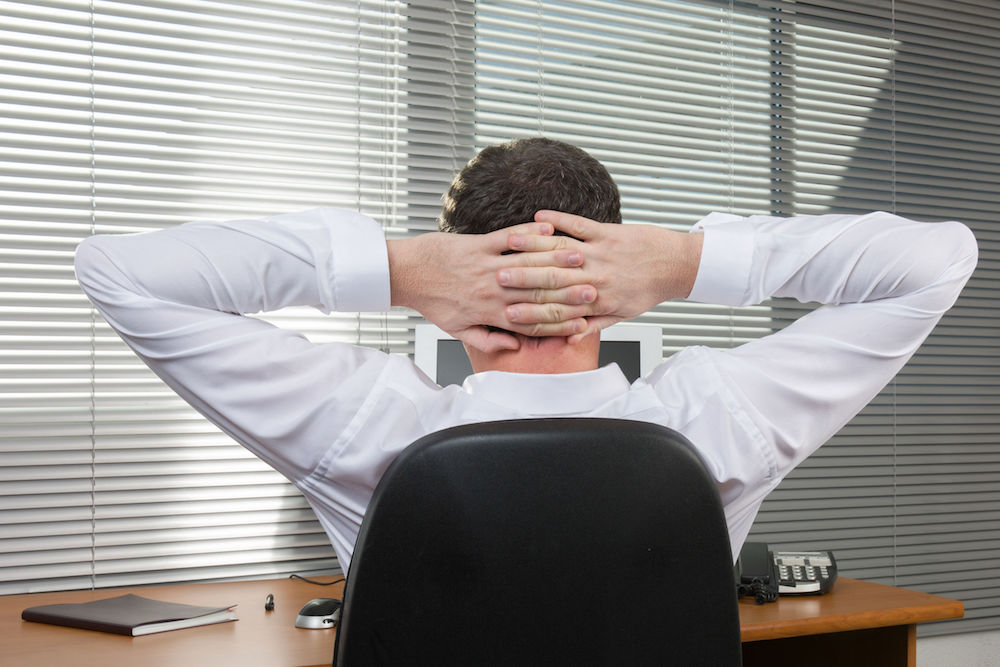
According to a research review from the University Health Network in Canada, sitting for 8 or more hours a day could raise your risk of severe health complications.
A research review by the University Health Network in Canada, published in the Annals of Internal Medicine found that daily sitting for long periods increases your risk for heart disease, cancer, diabetes, and death. This risk increases independent of other health factors, including both negative factors like obesity and positive factors like exercise.
The average American sits for roughly 9.3 hours a day, more than half of the time spent awake. Researchers found that even exercising daily for 30 minutes to an hour doesn’t significantly counteract the health repercussions of sitting for long periods.
Dr. David A. Alter and doctoral candidate Aviroop Biswas analyzed 47 studies that compared inactivity and mortality. The result: People who sit for long periods in a day are 24 percent more likely to die from health problems, even if they exercise regularly.
While the time spent sitting varied slightly among the studies analyzed, Biswas estimated that sitting for more than 8 hours a day results in the most negative health effects.
Negative Health Effects Associated with Sitting for Long Periods
This research analysis is the latest in a growing number of studies linking lack of physical activity with negative health effects. According to the American Institute for Cancer Research, many cases of cancer are linked to daily lack of activity, including 43,000 cases of colon cancer and 49,000 cases of breast cancer.
Long-term sitting is linked to higher rates of disability after age 60. According to a study at Northwestern University led by Dorothy Dunlop, for people over 60, every additional hour of sitting per day increases risk of disability by 46 percent. According to Dunlop’s findings, that risk increases regardless of how much time seniors spend exercising.
Analysis of data collected in an ongoing study conducted on about 12,000 Australians estimates that spending 6 or more hours in front of the television on a daily basis decreases life span by approximately 4.8 years. Dr. J. Lennert Veerman analyzed data from the Australian Diabetes, Obesity and Lifestyle Study and found that every hour spent in front of the TV decreases life expectancy by 21 minutes. By contrast, a cigarette decreases life expectancy by about 11 minutes.
Another review published in Diabetologia analyzed 18 studies. Dr. Emma Wilmot led the study, which found that those who sat the most hours on a daily basis had a 112 percent increase in relative chances of developing diabetes, 147 percent increase in risk of cardiovascular disease, and 49 percent increase in risk of premature death.
Research continues to show that sitting for long hours is linked to increased risk of developing several major, potentially fatal health problems.
Don’t Give up on Exercise
While sitting for long periods of time does increase risk regardless of exercise, those who sat for long periods of time and who exercised regularly experienced a third less risk of dying (during the studies analyzed) than those who did not exercise.
Also interesting is that other health risks such as obesity, smoking, and age were not a direct factor in heightening health risks. A person at a healthy weight, for instance, is still at a higher risk of dying from health problems if they sit for more than 8 hours a day.
Researchers across several studies agree: Daily, vigorous exercise for about 30 minutes a day and breaking up long periods of sitting with one- or two-minute breaks to stretch and move can reduce your risk of developing severe or fatal health problems.
Reducing Time Spent Sitting
Breaking up long periods of sitting can be difficult, especially if you are dealing with work restrictions. Dr. Alter and other researchers offered these tips to reduce your risk of increased health problems:
- Get up and move around for 2 or 3 minutes every half-hour or so of work
- If your workplace permits, try to stand for a few hours during the work day to cut back on sitting time
- Walk to a colleague’s office to deliver a message instead of sending an email, pace during phone conversations, and walk to a separate location to get lunch
- Cut TV time, which is the biggest culprit for sedentary time outside of working hours
- When you do watch TV, get up and move during commercial breaks
- Track how many hours a day you spend sitting, and make a plan to reduce that by at least 2 or 3 hours
- If you sit for long periods with no alternative and do not exercise, pick up regular, vigorous exercise, which can still increase your chances of living a longer, healthier life
At Tuck Chiropractic Clinic, we often treat patients with pain resulting, in large part, from a sedentary lifestyle. While sitting in a work environment is often unavoidable, one of the best ways to stay healthy is to sit less and exercise more. Taking short, frequent breaks during your workday can have a long-term, positive impact on your health and even extend your life.
Image by sylv1rob1 / 123RF.
About the Writer
tech
Gift Ideas for the Fitness Focused
It’s that time of year again; time to find the perfect gifts for those special people in your life. Admittedly, at times it can be hard to figure out exactly what they might want or need, so allow us to help. There are all kinds of amazing, interesting, and useful fitness products on the market, some of which you have likely never heard of. Here are six unique ideas for ways you can show the love this holiday season—in a way that supports wellness.
1) Here’s a great gift for those who are not only fitness minded but also minimalists. You could treat to this set of fully adjustable dumbbells. Power Block dumbbells have a nested design that utilizes a pin system to increase or decrease weight as needed. The end result is a compact set of dumbbells that are convenient to store but offer a range of weight options. Power Block dumbbells range from weight increments of three to 125 pounds, depending on the set you purchase. This is sleek, functional, and will promote fitness at home

2) When the temperatures drop many people flock to indoor exercise activities in an effort to avoid the cold. However, for those that continue to brave the frigid temperatures, you could buy them ear warmers that double as earphones. This is a very cool and practical gift for those that love to stay pumped up by workout music or enjoy listening to podcasts while breaking a sweat. There are wireless and wired options—depending on the tech preference of your loved one.
3) Night Runner Shoe lights were, “designed by athletes for athletes”. The lights attach to shoes and provide 270 degrees of visibility as someone walks or runs in low light conditions. One more fun fact about this product is that it was featured on the popular show, Shark Tank, and received a $350,000 investment from Robert Herjavec. For those that make a point to fit in a run, walk or jog, even in the early hours or at dusk, these lights are a nice gadget to promote safety and encourage their commitment to wellness.
4) If you want your friend or family member to try fitness treats they may not otherwise indulge in, consider a monthly subscription box. This is one of our favorite gift ideas because each month it keeps on giving and can have a wide variety of themes. There is a host of options on the market depending on the wellness preferences of your loved one. There are monthly boxes for those who love to run or love to bike. There are also monthly boxes for the yogi in your life. Yogi Surprise delivers 6-8 full sized yoga products each month, like essential oils, natural snacks, and skin care products. If you know someone who is a committed crossfitter, there is even a box for them!
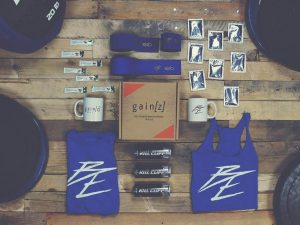
gain[z] box: designed for CrossFitters
5) Give your fitness fanatic the gift of happy feet! Wearing proper shoes while working out takes good care of your spine—and you know that is something we support. You could treat your loved one to a pair of shoes from RunAbout Sports in Blacksburg. This is much more than a shoe store. The staff uses technology and expertise to ensure each person is paired up with the right style and fit of shoes. Their assessment process includes recording video of your feet as you run on a treadmill and using software to evaluate which that receive the most stress. How’s that for pampering the person who loves to break a sweat?
6) Lastly, while it isn’t a unique gift idea we do want to suggest giving some fresh fitness gear this holiday season. There is a psychological concept called “enclothed cognition,” which is the theory that the clothes we wear influence our psychological state. This theory does not suggest that having fancy workout clothes will transform you into an athlete, but rather, that wearing athletic clothes that you feel good about will frame your mind for a successful workout. Encourage your loved one’s pursuit of wellness by giving them workout out clothes that make them feel good. After all, isn’t pursuing wellness really about making our mind and body feel good?
So there you have it, a list of gift ideas for those that love fitness or are working to take a more intentional approach to wellness in their lives. Cheers to a holiday season that continues to be filled with all the things that matter most: family, friends, and wellness.
About the Writer
tech
Give Thanks for a Stress-Free Thanksgiving

Children can share the work of making Thanksgiving special.
Thanksgiving is all about gratitude, but there is also a lot of work involved in pulling off an enjoyable holiday for family and friends. Here are seven tips for taking the stress out of Thanksgiving:
1) Do as Much as Possible Beforehand
When it comes to hosting Thanksgiving, there are many things that can be done the day before, or even earlier. You can clean out the fridge, bake the pies, make the side dishes, prep the turkey, iron your linens, and set the table all beforehand, reducing the amount of work that has to be done on Thanksgiving Day. This will give you time to watch a parade, catch part of the football game, or even enjoy a glass of wine with your guests, a surefire stress reducer.
2) Don’t Go Overboard
Always remember: Less is more. Is it really that important that you agonize over the table setting or spend hours decorating the entire house? The same rule applies to food. Family favorites might be a must, but don’t overdo it with numerous side dishes or desserts. After all, there’s only so much food your guests will be able to eat.
3) Simplify Your Table Setting
Ask yourself, “Do you really want to ignore your guests after dinner because you’re in the kitchen washing a sinkful of dirty dishes?” If the answer is no, most stores now stock premium plastic and paper dishes, cutlery, disposable roasting pans and serving dishes. You can still create a stylish table and then just toss the dishes afterward, making cleanup easy and allowing you to spend that time visiting with your loved ones.
4) Put the Kids to Work
Instead of lamenting the fact that your kids are underfoot while you’re trying to pull dinner together, give them a job to do. Even young children are capable of setting the table, tearing up lettuce, mashing potatoes, and helping clear the table after the meal. You can also plan a special activity for them, such as setting out sugar cookies and lots of decorations — frosting, colored sugar, sprinkles, crushed candy canes — to keep them busy and get a jump on Christmas baking.
5) Split up the Work
The next time someone offers to bring a dish, take them up on it. Better yet, assign everyone a dish to bring (and provide the recipe if you want to keep the dinner uniform). They’ll likely be happy to help and welcome the opportunity to contribute to the feast.
6) Take a Walk
After dinner, there’s no better way to work off some calories, relieve stress, stretch out tense back muscles, and get some fresh air than by taking a 10-to 20-minute walk. Exercise is always a good idea to boost spinal health, particularly when you’ve just polished off a huge meal, and it can also be a chance to visit more with friends and family who weren’t sitting in close proximity to you at the dinner table.
7) Save Time for Yourself
After your guests leave, curl up on the couch and take some time to be thankful for your wonderful day spent with family and friends, pat yourself on the back for a job well done, and most of all, take a little time for yourself.
Despite your best intentions, your ambitions for a perfect Thanksgiving can cause you to overdo, leaving you stressed and drained. We hope these tips can help you avoid the stress this year! And as always, another very important part of living stress-free can be visits to a chiropractor to make sure things are working and functioning at their very best.
Image by Marcos Calvo Mesa.
About the Writer
tech
Holiday Stress Can Strain Your Back

Striving for perfection during the holidays can lead to stress, and that can put an extra strain on your spine.
The holiday season is fast approaching. Time with family and friends, parties, gift-giving, special meals — how can something that seems so enjoyable be so stressful?
Many people get depressed during the holidays, and these feelings can result in increased fatigue, moodiness, and tension. When we are under stress, we tend to become tense, which can put pressure on the spine and lead to an aching neck and back.
Here are some tips that will help you stay positive during the holidays, and avoid stress-related back and neck pain:
- Focus on what’s important. Reflect on your beliefs and values as they relate to the season, and try to spend time with those who share your priorities.
- Take care of yourself. Eat healthfully, and take note of any early signs of stress. Instead of giving in to your cravings for sweets, caffeine, and alcohol, choose meals that feature lots of fresh fruits, vegetables, and dark, leafy greens. The body converts the beta-carotene found in dark, leafy greens and most orange vegetables and fruits into vitamin A, an antioxidant essential for back health that helps process protein, repair tissue, and form strong bones.
- Don’t be afraid to say no. Set boundaries for yourself and your family during the busy holiday season, and never say yes to a request immediately, even if you are confident you can fulfill the obligation. Give yourself some time to think about it and consider carefully whether this is something you really want to do before you respond to the request.
- Get some fresh air and sunshine. Spending at least 30 minutes each day outdoors, even on cloudy and stormy days, will help you get enough vitamin D, which helps your body absorb calcium, a mineral that helps build bones and avoid joint and musculoskeletal pain and osteoporosis.
- Follow your joy. What holiday activities bring you the most happiness? Concentrate on those and don’t worry about the other things that may make you frustrated and increase your stress level.
- Make daily priorities and stick to them. Focus on getting a manageable number of tasks done each day. Don’t take on too much to avoid becoming overwhelmed.
- Have realistic expectations. During the holiday season, it is not uncommon for people to want things to be perfect. Try to resist this urge and avoid frustration by accepting that things don’t always work out as we planned.
According to a study published by the National Institute of Neurological Disorders and Stroke (NINDS), expectations have a large effect on pain, and positive thinking produces about a 28 percent decrease in pain, equal to a shot of morphine. The NINDS data showed that what you think can really change what you experience, and positive expectations, particularly during the busy, stressful holiday season, can be an important addition to managing chronic pain and maintaining spinal health.
Image Copyright: whitestar1955 / 123RF Stock Photo
About the Writer
tech
Your Spine is in Good Hands: Infographic
What is your favorite thing about October? The crisp air, pumpkin spice lattes, the beautiful colors as leaves change and begin to fall? We love all those things but would have to add our own favorite to the list: the spine! October is Chiropractic Health Month and October 16th is World Spine Day. There is much to celebrate about a healthy spine, as it serves the entire body in tremendous ways.
The spine is made up of over 100 joints, which is why you have such flexibility and movement within your spine. It is part of the nervous system, which is the system that relays important messages from your brain to the rest of your body. Together, the spine and the brain comprise the central nervous system. When you experience problems with your spine it drastically impacts other aspects of your body as it is truly central the wellbeing of all bodily systems. Spinal problems from injury, scoliosis, sciatica, herniated discs, and osteoporosis can lead to back problems and pain. In fact, 80% of Americans will suffer from back pain in their lifetime.
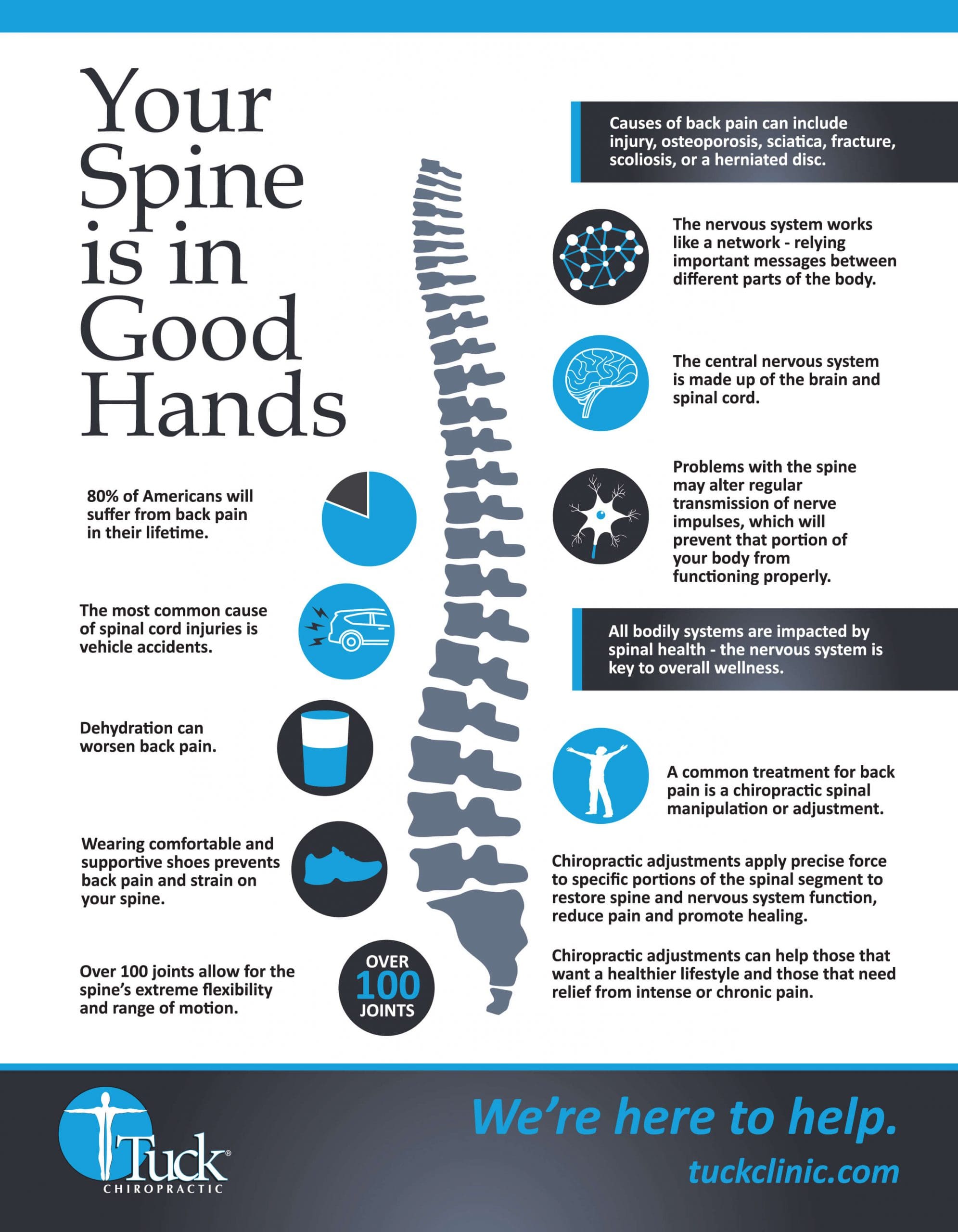 The spine is such an important aspect to our body, so make sure it is in good hands!
Chiropractic is a health care profession that specializes in the treatment of the spine and joint conditions. Chiropractic uses non-invasive techniques, such as to misaligned joints, to remedy underlying issues that lead to pain and problems within the muscles and bodily organs. Chiropractors spend years studying and training in their field so that they can resolve underlying conditions with the spine and joints that hinder wellness and overall quality of life.
We are excited that there is an entire month dedicated to celebrating this profession we love and believe so strongly in! We encourage you to join us in celebrating by taking steps to improve your spine and back health. Wearing comfortable shoes, drinking plenty of water, and regular exercise are some of the best ways to do so. Getting regular adjustments from a chiropractor is also a great step towards spinal wellness. We welcome the opportunity to support you in your health journey don’t hesitate to reach out—you’ll find our team of passionate doctors ready to leave a positive impact on your life.
About the Writer
tech
Chiropractic and Insurance

One of the driving forces for the decisions we make as a chiropractic practice is you, the patient. Patient satisfaction is one of our key indicators to determine if we are accomplishing our mission of leaving a positive impact on the lives we are privileged to touch. We know that one issue heavy on the minds of many of our patients is the rising cost of healthcare.
While not all chiropractors take insurance, for us it is an absolute must. To meet the needs of our patients we must make it cost effective and it must also honor their time. By taking insurance from carriers like Anthem, Aetna, Cigna, and Medicare we are ensuring we honor the financial aspect of health care. We also know it is necessary that our staff help patients navigate the waters of chiropractic and insurance because at times it can be cumbersome and confusing.
If you find yourself with insurance questions we invite you to contact the office most convenient to you. Reaching out is the first step towards a healthier lifestyle. If you reach out with a question you can expect a timely answer from a real person. You won’t get passed through a never-ending phone tree directory. You will interact with someone that works within our clinic offices, who has received training on insurance coverage and billing, and who genuinely wants to answer your question.
We are thankful that our patients report 97% satisfaction with our services. From the information we have gathered associated with this rating, we have learned that patient satisfaction is related to results and also to the convenience of obtaining care. Convenience factors include flexible appointment times, multiple clinic locations, and providing administrative services, such as insurance billing. We are thankful for our wonderful patients that give us feedback, which allows us to continuously improve.
One documented reason that people do not make choices that support good wellness is lack of convenience. When making the healthy choice is also the hassle-free choice we know our patients are more likely to follow through. Our hope is that by accepting insurance and billing insurance companies on our patients’ behalf we are removing a barrier that would prevent them from seeking the best possible decision for their health and well-being. We want to be a healthcare partner with our patients in every sense; from the adjustments we provide to the patient care from our support staff. We hope to soon have the opportunity to partner with you and help you live a pain-free life.
Copyright: stockasso / 123RF Stock Photo
About the Writer
tech
5 Types of Food That Enhance Spinal Health

Each part of the spine has a role in its mobility and integrity, and each part has specific nutritional needs.
We all face nutritional challenges. It’s hard to find time in our busy schedules to prepare fresh, healthful meals. It can be a challenge to find foods free from chemicals, and some say modern farming practices leave foods with fewer nutrients than they once had.
Yet good nutrition is essential for a healthy metabolism and for tissue growth and repair. Nutrition determines the strength of your teeth, bones, connective tissues, and your spine.
Nutrition and the Spine
The spine is an important component of the musculoskeletal system. It contains nerves as well as muscles, bones, tendons, ligaments, and discs. Each part of the spine has a role in its mobility and integrity, and each part has specific nutritional needs:
- Calcium in food plays a major role in building bone density. Weakening bones can be the result of not eating (or not absorbing) enough calcium and can lead to an increased risk of spinal fracture. Certain health conditions and bad dietary choices can lead to loss of calcium in the urine. Chronic emotional stress may lead to inflammation of the digestive tract, and consequently, prevent calcium absorption. Dairy products are a significant source of calcium, and it’s also found in leafy green vegetables, legumes, nuts, and canned fish with edible bones.
- Magnesium is as important as calcium when it comes to building strong bones: as much as 50 percent of a body’s magnesium is found in the bones. A 2013 study found that magnesium led to significant improvement in lumbar spinal range of motion in all study participants. But typical American diets include much less than the recommended daily requirement for the mineral. Alcohol use, stress, and drugs used for heart disease and high blood pressure can all cause the loss of magnesium through the urine. Magnesium is found in dark chocolate and nuts like almonds, cashews, Brazil nuts, and sunflower seeds.
- Vitamin D is essential for keeping your bones and teeth healthy. Did you know it also has an important role in immune function and cell growth? Your body needs Vitamin D in order to absorb calcium from the gut, so getting enough helps prevent bone loss and helps rebuild new bone. Vitamin D also is needed for the production of enzymes that strengthen the protein collagen, and it’s been shown to aid in the function of nerves and muscles. The shock-absorbing discs in the spine are made of collagen, and multiple studies have found that those with low levels of vitamin D are at an increased risk of developing degenerative disc disease. Eggs, anchovies, and salmon are all great sources of Vitamin D, but 20 minutes of sunlight a day is the easiest way for most people to meet the minimum daily requirement. For those with a sensitivity to UV rays, adding a vitamin D supplement to your daily regime can also provide an adequate amount of this nutrient.
- Phosphorus works along with calcium in the bones and the blood. Approximately 85 percent of the body’s phosphorus is found in the bones, where it binds with calcium to give strength and rigidity. Low intake of phosphorus can result in bone demineralization and the loss of calcium through the urine. Thus, adequate intake of both calcium and phosphorus is essential for healthy skeletal development and spine health. Phosphorus is commonly found in Brazil nuts, sunflower seeds, pumpkin seeds, and cheese.
- Healthy fats are vital for the growth and repair of normal connective tissue, bones, and body fluids. A healthy diet consisting primarily of lean proteins, healthy fats and fresh fruits and vegetables is a perfect way to build a lean body and muscles that will support the spine. The fiber and carbohydrates present in whole grains and fresh produce, and the healthy fats found in olive oil, salmon, sardines, nuts, and seeds are all important parts of good nutrition and spinal health.
Keeping Your Spine Healthy
Proper nutrition, regular exercise, and good posture are all essential to the proper maintenance and continued health of the spine.
Everyone sustains a certain amount of spinal damage over the course of a lifetime. Discs can flatten and protrude from between the bones and in time, many people experience small tears in the outer layers of these discs.
If you’re suffering from back, neck, or shoulder pain, it could be related to your spine health. Contact Tuck Chiropractic Clinic to schedule an appointment. Our experienced doctors can provide personalized care to help keep your spine healthy, and help relieve pain resulting from damage that already has occurred.
Image Copyright: nerthuz / 123RF Stock Photo
About the Writer
tech
5 Fall Activities That Are Workouts, Too

You may not realize it, but most of your favorite fall activities are actually workouts. That’s right: Halloween isn’t the only October event that comes with disguises.
We can think of no better workout than those that are so much fun that they don’t even feel like work. Now, even though you may not break into the same kind of sweat you’d experience in a Zumba class, family-friendly fall activities are just as fun and burn calories, too.
Of course, a fall afternoon spent raking leaves and a 10K aren’t the same thing, but you’ll be using different parts of your body in new ways and reaping the benefits (as long as you don’t indulge in too many pumpkin-spiced anythings afterward).
Apple and Pumpkin Picking
Could there be a more quintessential outdoor fall activity then heading to a farm and picking apples and pumpkins? We think not! Take a brisk walk around the orchard prior to plucking Honeycrisps and Jonagolds from the trees. Do some light stretching before you try to man (or woman) up a pumpkin that rivals Charlie Brown’s and remember the age-old chiropractic adage of lift from the legs, not the back. You’ll be hero enough for finding the perfect pumpkins in the patch, so don’t be afraid to ask for help loading up a heavy pumpkin (or huge crate of apples) into the car.
Around the area: head to Gross Orchard or Doe Creek Farm for pick-your-own apples and Layman Family Farm, Jeter Farm, or Sinkland Farms for pumpkin patches galore.
Raking Leaves
Raking is a workout, for sure, and try to amp up the fun factor of the fall chore by getting your kids involved—go ahead, jump in the piles with them! Still, the repetition of raking works your muscles and can be hard on your back. Anyone who’s raked before generally anticipates a sore back and a soak in the tub following a long afternoon of raking leaves. To avoid the sore back portion of the deal, take breaks, stretch gently every so often, and pace yourself. Try to rake a little bit over the course of several days so you don’t have a leaf-raking marathon. If you do feel any severe or sharp pain in your back, drop that rake and stop for the day (and consider seeing your chiropractor soon thereafter).
We’re fortunate to be in the Blue Ridge Mountains here in Southwest Virginia, so reward yourself for raking up pile after pile with a hot bath or by taking advantage of the landscape and going for a short drive on the Blue Ridge Parkway to see the foliage still on the trees.
Hiking
In our area, there is hardly a better time to get into nature and see the amazing colors of the season than by doing a day hike at the Peaks of Otter, Mabry Mill, McAfee Knob, or the Waid Recreational Area. Set your own pace and set out to enjoy the scenery. Remember to wear a backpack with padded, wide straps and bring water, snacks, and a small first aid kit with you. Warm up with some leg swings and gentle calf stretches and easing out of the hike with two yoga poses: table top pose and hero’s pose.
Gardening
From adding pops of color from autumn’s mums to planning for spring or even planting produce that requires a chill, the fall is a great time to get in the garden. Whether you’re puttering around as a novice gardener or dreaming of all the time you can spend in the dirt before winter’s frost, you need to nourish yourself as well as the soil: keep moving! We tend to act like garden statues and assume the same position when we’re planting, so keep moving and take breaks. If you’re looking for a local garden center for advice on which bulbs are best to plant in our zone during the fall, check out Townside Gardens, Groundworks, or the Moneta Farm& Home Center.
Family Fun Runs/Turkey Trots
Runners know that now is the time to actually enjoy running outdoors—winter air is simply too icy to truly enjoy a long run. The area is plentiful with races for you (like the Growler Gallop) or for your whole family (like the Superhero Race), or you might want to start a family tradition of running a turkey trot this Thanksgiving. Whichever way you choose to hit the pavement, make sure you don’t bang up your back by remembering to stretch your calves, thighs, and hips before the run.
Alternate Activities
If you are healing from a back injury but still want to get outside and enjoy outdoor seasonal fall celebrations, you can:
- Visit a local apple orchard.
- Go on a nature walk with your family.
- Navigate your way through a corn maze.
However you choose to celebrate the season, dress in layers, stay hydrated, and take precautions to avoid injury.
About the Writer
tech
You may also be interested in...

Supporting Women Through Every Stage of Life with Chiropractic Care
Supporting Women Through Every Stage of Life Women’s bodies go through many changes over the years. From pregnancy and postpartum recovery, to… Read More

Gardening Without Back Pain: Tips from a Chiropractor
Spring is a great time to get outside and enjoy gardening. But all the bending, lifting, and digging can be really tough… Read More
Spring Into Movement: Easing Back After Winter
After a long winter, it’s very common to feel more stiff, tight, and less mobile than usual. Cold weather, shorter days, and… Read More
Why Movement is Medicine for Back Pain
Your spine is designed to move. Every joint, disc, muscle, and nerve depends on motion to stay healthy. When movement decreases, the… Read More