
Getting Ahead of Seasonal Affective Disorder

Nobody likes waking up before the sun and going home from work when it’s already dark. In the wintertime, it’s something you can’t escape. This often takes a toll on many people, causing an extreme version of the “winter blues” known as seasonal affective disorder (SAD) or seasonal depression. This season-related depression is most prominent in the fall to winter seasons and can express itself in varying degrees. That being said, it’s still possible to feel these effects in the springtime or even summer. Being aware of the symptoms and causes is the first step to being able to manage it.
Symptoms of Seasonal Affective Disorder
While the symptoms and extent of SAD vary from person to person, there are some common ways to identify if you are suffering from it:
Low levels of energy is one of the most common symptoms. Because we get a lot of vitamins and energy from daylight, the lack of it often deprives us both mentally and physically.
Oversleeping is a result of low levels of energy. Often times, because of the extended dark hours, people find themselves lounging around and sleeping longer hours. Oversleeping often reduces levels of energy even more.
Cravings and overeating is another way that seasonal affective disorder expresses itself. “Eating your feelings” is a common result of feeling hopeless or depressed. People often experience weight gain during the winter months and no, it’s not just because of holiday desserts.
Causes of Seasonal Affective Disorder
There are a multitude of reasons you could develop seasonal affective disorder. Recognizing how each of these elements of the season could make them easier to cope with.
Reduced sunlight is one of the biggest factors that cause seasonal affective disorder. In the wintertime, because of the reduced hours of sunlight, we often get little to no Vitamin D. Amongst other aspects of your overall health, Vitamin D has a major impact on your mood. Without it, people find themselves depressed and lethargic.
Lower levels of activity is another result of reduced daylight. Most people don’t find the time to get outside and get active. Lower levels of activity can cause weight gain and allow tension and stress to build up.
Increased stress and emotions around the holidays is another common occurrence that cause the winter blues. Whether it’s the stress of having to spend more money on gifts or the numerous social occasions, the business of the season can take its toll. The holidays are also a time when people miss loved ones that they have lost, furthering the stress and sense of sadness.
How to Manage Your Seasonal Depression
While you can often feel hopeless when you’re affected by seasonal depression, there are ways to work to reduce and manage your symptoms and mood. Knowing what the causes and symptoms are is the first step. Try taking these measures to reduce your risk of severe winter blues.
Keeping a routine is the best way to stay on track. Though you may be tempted to sleep longer hours or go home instead of the gym after work, keeping consistency in your life can help reduce the effects of the change of the seasons.
Staying active should remain a prominent part of your routine. Because you’re spending less time outdoors doesn’t mean you should spend less time being active. Working out and keeping up with activities you enjoy is a way to release the endorphins and serotonin you may be missing out on in the winter months.
Self care is an important way to reduce stress and maintain a positive outlook. Whether you seek out relaxation therapies like massages, yoga, and meditation or more medically based therapies, there are ways to reduce stress and stay focused on the positive. Seeing a counselor or seeking out light therapies that counter act the effects of the lack of sunlight are great techniques to manage your mood.
Chiropractic is much more than a way to find relief from physical pain. The release of tension throughout the body and restore balance to the nervous and hormonal system – a great release of stress!
Find out more about how chiropractic care can help relieve your stress and improve your mood any time of the year, explore our stress relief section and reach out to a doctor near you!
About the Writer
tech
Fighting More Than Fires With Chiropractic

Most occupations that lean heavily on active, manual labor have a tendency to incite injuries over time due to continued strain and repetitive movements. Consider the high stakes job of firefighting for example. Imagine wearing heavy suits, carrying heavy hoses, and being in danger of collapsing buildings. These are certainly all ways that an individual could find themselves in need of chiropractic care to find pain relief. Our patient, John ‘Roc’ More is a great example of a local firefighter that has found relief with the help of Dr. AJ LaBarbera.
Roc started visiting Dr. LaBarbera for general neck pain in about 9 years ago. While he had seen some other chiropractors in the area before, it never turned into a routine. Eventually, his neck became so compressed that he simply couldn’t ignore the pain and headaches anymore so he followed the recommendation of a fellow firefighter and made and appointment at our clinic in Bedford, VA. His only regret is that he wishes he had done it sooner!
“Overall, I think that if I could use Dr. AJ as my primary care physician I would!” says Moore. “He’s truly concerned about all of his patients’ well being.”
It turns out, Dr. AJ was able to help Roc uncover the underlying issue and lay out a regimen that would help him find relief. Roc suffers from what is referred to as a “kyphosis”, a reversal of the curvature of vertebrae in his neck due to several firefighting accidents. This condition essentially means the normal curvature of the cervical spine is diminished so severely that it is actually slightly reversed. Instead of curving inward, the cervical spine has a slight curve outward.
“I went up there and had X-rays and my consultation done,” says Roc. “He told me that he couldn’t promise that they could totally rule out a need for surgery but that he would do his best to keep my pain at a manageable level.”
To this day, Roc hasn’t felt that his condition impacts his life so much that he has had to resort to surgery and attributes Dr. AJ’s help to this. Most days, he doesn’t feel much pain at all. On days that it spikes from an especially active week at work, he simply sets an impromptu visit to the clinic in between his regularly scheduled monthly visit. Because Dr. AJ takes the time to continue to check in on Roc’s health and pain over all, he’s been able to help him in many other ways beyond his neck pain.
“I was in a firetruck crash in 2012,” recalls Roc. “When I went into see him and told him that I was having trouble breathing, he took an X-ray and discovered I had a few broken ribs – something that they totally overlooked when I was in the hospital.”
Roc also received adjustments for back and shoulder pain as needed. With Dr. AJ’s help, he’s also able to maintain his relief at home with a handful of at home remedies. With the combination of therapeutic weight lifting and stretching, strategic support pillows, and hot and cold therapies – he’s able to find relief when the pain isn’t bad enough to set an appointment.
Possibly Roc’s favorite part about coming into our Bedford Clinic is that he feels like he’s just going to see his friends. He enjoys talking with Kim and Donna when he checks in as they call each of our patients by name and are always eager to ask how their days are going. Dr. AJ always makes a point to talk about more than just the task at hand. They even make sure to stop and chat if they run into one another out and about in Bedford.
“They are very professional, yet personal on the same level,” says Roc.
Again, the only regret Roc has about coming into the Tuck Clinic in Bedford is that he hadn’t done it sooner. He encourages people who are putting it off because they have questions or concerns to not be afraid and take the plunge! The first visit at Tuck Chiropractic is always a welcoming, thorough, educational experience.
So if you’re ready to discover how we can help you, schedule your first appointment today!
About the Writer
tech
U.S. Senate Passes Opioid Crisis Response Act

In the midst of Beth Macy’s national book tour for her latest release, “Dopesick” – a New York Times Best Seller that paints a picture of America’s 20 year struggle with opioid distribution and addiction – the United States government is making strides in working to find a solution at the national level. In early September, the Centers for Disease Control and Preventions (CDC) released statistics on drug overdose deaths from March 2017 to March 2018. The data showed a whopping 71,000 deaths related to drug overdoses in that 12 month period with 1,417 reported in the Commonwealth of Virginia.
Last Monday, the U.S. Senate passed the Opioid Response Crisis Act with a 99-1 vote. This comprehensive bipartisan bill is aimed at empowering the CDC, Department of Health and Human Services, and other agencies with the funding to address the opioid epidemic.
An Overview of the Opioid Response Crisis Act
The Senate’s summary of the bill states the goal of the bill is to:
“Improve the ability of the Department of Health and Human Services, including the National Institutes of Health, the Food and Drug Administration, the Centers for Disease Control and Prevention, the Substance Abuse and Mental Health Services Administration, and the Health Resources and Services Administration, as well as the Departments of Education and Labor, to address the crisis, including the ripple effects of the crisis on children, families, and communities, help states implement updates to their plans of safe care, and improve data sharing between states.”
The bill will provide a $4.7 billion plan to empower the above mentioned agencies to increase their current efforts to fight the crisis as well as new incentives to further the cause. The funding will support the following causes for various agencies:
- National Institutes of Health (NIH) to increase research focusing on pain management including prevention and treatment.
- Food and Drug Administration (FDA) to address the challenges of creating new pathways to pain management that remove the use of addictive medications, regulate opioid packaging, improve drug disposal systems, and improve border control operations to fight the illegal international drug trade.
- Substance Abuse and Mental Health Services Administration (SAMHSA) to develop comprehensive opioid recovery centers, address recovery housing best practices, examine the possible effectiveness of opioid prescription limits, increase first responder training for overdoses, and coordinate youth prevention programs and continuation of care for overdose patients, and more.
- Center for Disease Control and Prevention (CDC) to establish evidence based prevention programs, collect more controlled substance data, increase awareness of the risk of misuse and abuse of opioids, further understand infections associated with drug injections, and how the epidemic affects infants and children.
Additional programs funded by this act will focus on strengthening the power of the Drug Enforcement Administration (DEA) to regulate and enforce the use, misuse, and disposal of opioids, improve data collection and analyzation capabilities to track progress, and provide support to the Health Resources and Service Administration (HRSA) for education and prevention. While the bill has passed the Senate, it will still need to be reconciled with a House bill that was passed in June. Lawmakers in Congress feel confident that the legislation can be passed with a version that pleases both the House and the Senate.
How Chiropractic Can Play A Role
As many studies by the National Institutes of Health and other research projects have shown, chiropractic plays an important role in pain management that avoids the use of opioid and other invasive methods that still require the temporary use of pain medications. National chiropractic associations like the American Chiropractic Association have been working hard to communicate and collaborate with lawmakers and healthcare providers to be a part of the solution. As doctors who are able to heal with natural, non-invasive methods, it’s important for use to share our expertise and push for access to individuals who need our help. As partners in health, we pledge to continue to find opportunities to share our message and provide the best care possibles to those in need. To read more on our position in how chiropractors can help the opioid crisis, check out our piece on the importance of collaboration across industries: Progress For the Opioid Epidemic Will Come From Progressive Care.
About the Writer
tech
Dry Needling: A Little Known Technique That Gets Big Results

If you’re into natural healing and wellness, it’s likely that you’ve already heard of acupuncture and how it can be used with chiropractic adjustments to further release tension in the muscles. Dr. Foster, from our Bedford Clinic, practices acupuncture’s not-so-distant cousin: dry needling. In this technique, doctor uses sterile, fine needles to go deep into muscle tissue to stimulate the nerves in the muscle to release tension. Where manual adjustments typically focus on the skeletal system, these techniques can focus on the muscles – providing a true musculoskeletal treatment.
“In short, what we do as chiropractors focus on the nerves and the pain associated with them,” says Dr. Foster. “Dry needling helps the muscular element of pain by breaking up tight muscle fibers along with scar tissue and allowing them to heal correctly.”
How Does Dry Needling Differ from Acupuncture?
The biggest difference between acupuncture and the dry needling technique is where the doctor targets the needles. Acupuncture is an Ancient Chinese technique that targets “meridians” throughout the body. These meridians are thought to be channels of energy, or “Chi”, that influence the flow of energy in the body. The concept suggests that the needles unblock any energy that is backed up from tension.
In dry needling, the doctor focuses on myofascial trigger points and tender points in the soft tissue throughout the body instead of the meridians. While there may be some crossover, the trigger points are more related to the points where the nervous system and musculoskeletal system are showing abnormal levels of pain and tension – focusing on the root of the problem rather than the energies of the body. One or a number of needles are used depending on the area in treatment and the technique can be administered over multiple sessions. While we are using needles to go deep into the muscle tissue, a lot of patients barely feel it as there is little to no pain and rarely any bleeding with this procedure.
Another way these two techniques differs is the training involved. Often times, acupuncture requires a masters degree so most administers of this technique are restricted to only being able to provide acupuncture services and do not have the ability to diagnose as primary care providers. Dry needling when performed by a chiropractor, after 7-8 years of schooling, requires further specialized training and as a doctor, we have the ability to both diagnose and treat the patient, striving for the best results possible for each patient’s condition.
How Dry Needling Can Help You Heal Faster
In Dr. Foster’s experience, the addition to dry needling to his practice has really taken his treatments to the next level. After receiving dry needling in the past and seeing firsthand the marvelous benefits, he knew he wanted to be able to supplement his other adjustment techniques to provide an added benefit and level of relief to his patients.
“Usually within 2 to 6 visits of including dry needling with their regular treatments, people are seeing a substantial difference with most patients wishing they had tried it sooner,” says Dr. Foster.
Because Tuck Clinic is adamant about tracking outcomes and progress with patients frequently, he has been able to watch treatment plans provide faster resolution and relief with longer lasting benefits. When Dr. Foster is able to combine dry needling with his regular treatments, patients are treated wholly through their skeletal and muscular systems. The added benefits of dry needling help the muscles react to the skeletal adjustments faster, helping patients find continued relief quickly and more efficiently. The dry needling technique is also affordable. Dr. Foster is so devoted and passionate to help the people of his hometown that he has extended this service as the most affordable around. With a flat rate of $35, you won’t have to worry about an acupuncturist’s session or hourly fees.
To learn more about this technique, set an appointment with the chiropractors at Tuck Clinic in Bedford today!
About the Writer
tech
Translating Your Chiropractor: Understanding Your Care Plan
At Tuck Chiropractic, we do our best to provide a warm welcome the minute you walk through the door – whether you’re a returning patient or a new inquiry. It’s important to us to make our patients as comfortable as possible from the first greeting to the final visit of their care plan. Part of that process is making sure we are clearly communicating with you. While medical terms and the idea of a care plan may feel overwhelming, our staff and doctors do a great job of walking you through each step to make sure you’re fully informed. We’re here to share with a few common terms and concepts to help you feel confident and capable of truly collaborating with our doctors to find the best treatments for you!
Common Chiropractic Terms
While we do our best to use clear language that both the doctor and the patient can share, there are still a few medical terms that come up during patient visits that may seem foreign. We’ll put them simply for you.
Misalignment or Subluxation
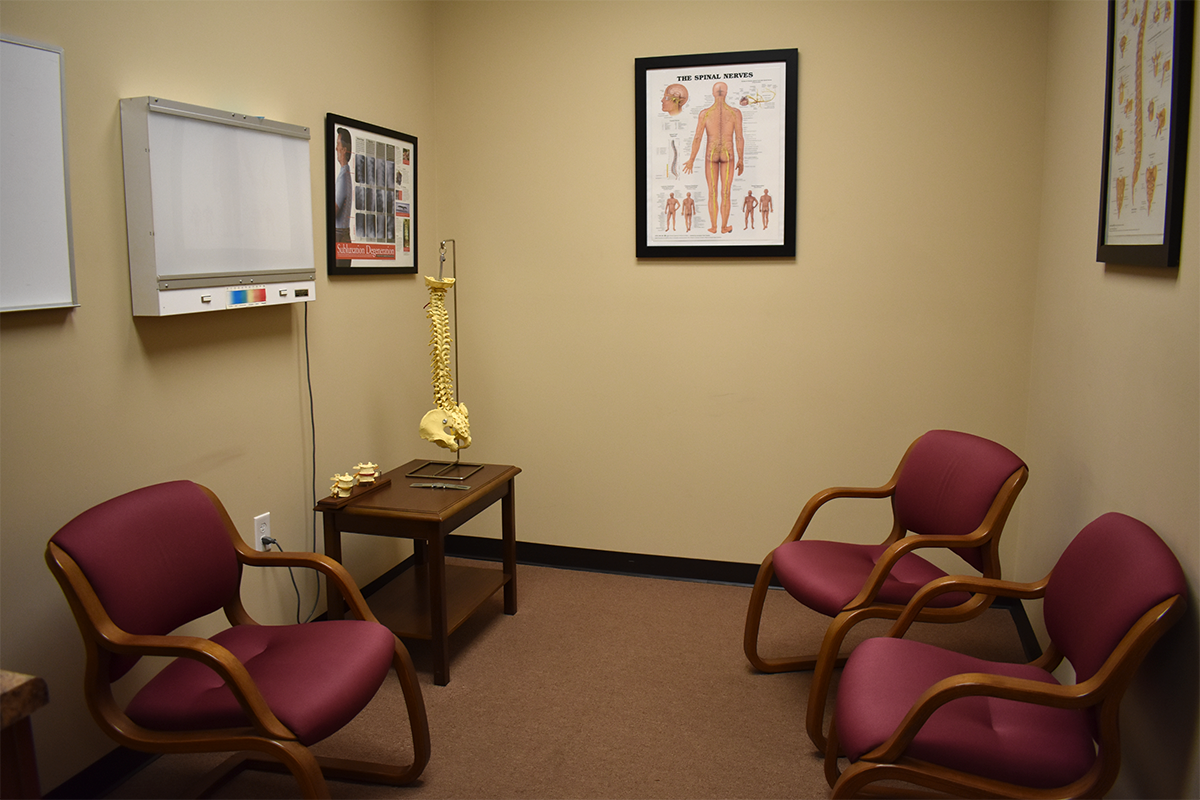
A Misalignment or subluxation – usually of the vertebrae. It can be a common cause of back pain and neck pain and may be a cause of other pain syndromes that patients present within our clinics. Our Tuck Chiropractic doctors will be able to pinpoint the area of misalignment with an X-ray and talk you through how spinal manipulation techniques can realign your spine.
Spinal Manipulation
Speaking of – what do we really mean by “spinal manipulation“? You may also hear the terms chiropractic adjustment or manual manipulation interchanged with this term. Simply put, this is when the doctor applies his or her hands or uses an instrument to apply pressure to the body in order to realign your vertebrae. It often includes a high-velocity thrust applied to the vertebrae. It sounds intense and you may experience a “popping” sound – but you’ll immediately feel a sense of release in the affected joints.
Electrical Muscle Stimulation
Electrical Muscle Stimulation Therapy is frequently coupled with spinal manipulation treatments as a way to stimulate the muscles surrounding the area in pain. In this way, chiropractors can truly treat the entire musculoskeletal system to help relieve pain and tension. It’s often used before a manipulation to “warm up” the muscles by sending a low-level electrical current through a number of electrodes placed in the affected areas.
Common Phases of Care
It’s important to realize that chiropractic care isn’t a quick fix. It is a process of adjusting the body to its natural state of alignment to relieve pressure and pain. Our doctors work hard to help patients understand every step of the process from intake to outcome review, and beyond. Here’s what to expect from your collaborative care process.
Intake Process
The intake process is painless. Our friendly staff helps you fill out your paperwork and often times, you will receive an X-ray to help the doctor identify the point of misalignment. With this, the doctor will be able to walk you through the treatments you will receive to begin the process of healing and perform the first adjustment. We will never force you into a treatment that you are uncomfortable with. Our priority is your comfort and confidence.
Customized Treatment Plan
Based on your Examination, the intensity of the problem, and your personal goals for feeling better, your doctor will talk you through your adjustment regimen. Often times, there will be a higher frequency of adjustments during the first portion of your care to build upon each adjustment for more effective results. It will begin to taper off once the extended relief sets in.
Reviewing Outcomes
We check in with our patients often to make sure they are getting the results and relief they are seeking – typically every two weeks. This allows our doctors to make sure they’re helping patients meet their goals and to make any adjustments to their care plan that they see fit. Ultimately, this is the most important part of the process: making sure our patients are feeling better and living better.
Maintenance Care
At the end of a treatment cycle, maintenance care is discussed with the patient to see if they would like to continue their adjustments on a more varied basis. Maintenance care is a great way to maintain alignment and even act as a preventative measure for injuries and illnesses.
Do you have more questions about chiropractic care? Review our Frequently Asked Questions or reach out to one of our locations. Our staff and doctors are here to help!
About the Writer
tech
When The Right Person Reads the X-Ray
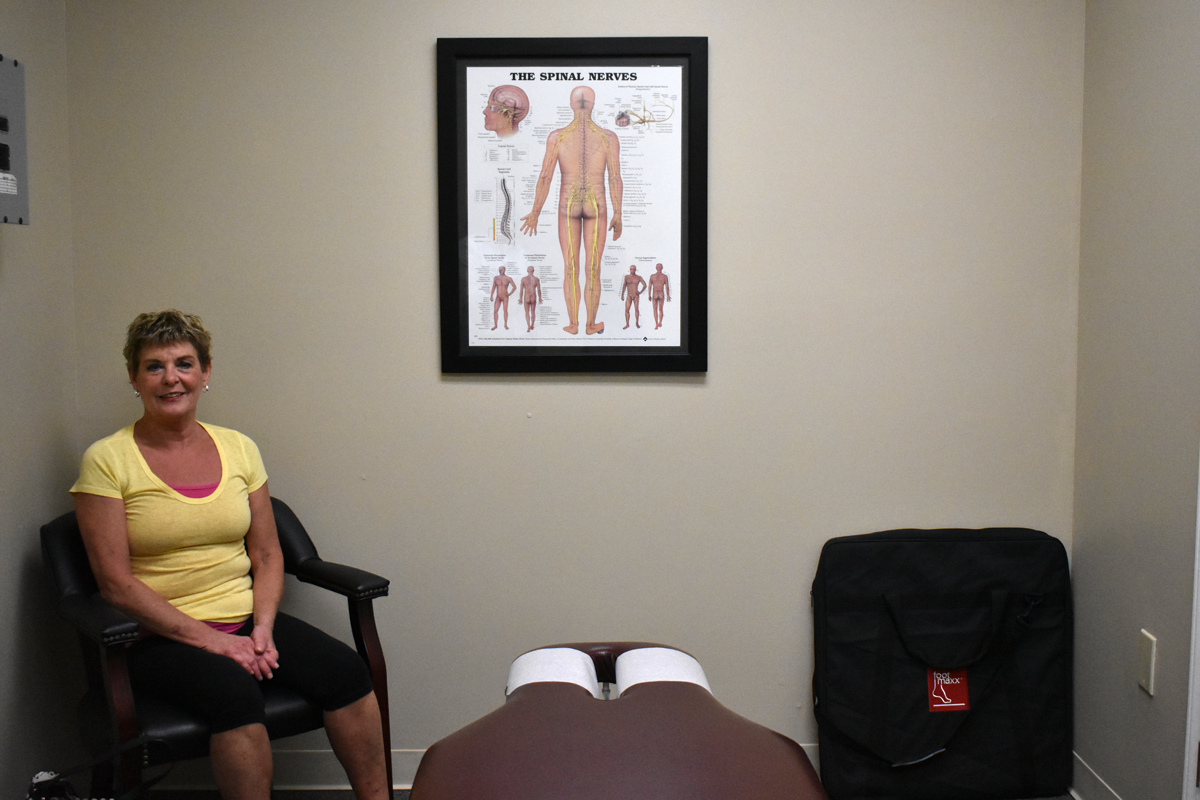
Some people live half of a lifetime before finding someone that can help them manage their back pain. When Patty ended up in the Emergency Room as the result of excruciating back pain, she knew it was time to seek out other options to find relief. Two days later, this led her to her first appointment with Dr. Kilmer. Seven years later, Patty still sees Dr. Kilmer as regularly as possible.
An X-Ray Can Reveal The Answer
Patty’s first appointment was incredibly eye-opening. After struggling to find out why she had so much back pain for so long, Dr. Kilmer looked over her X-rays and discovered the problem. It turned out that Patty had an extra vertebra in her lumbar spine – which can sometimes lead to instability and extra stress in the spine.
“After that, I didn’t have any reservations about coming because she was the first person to tell me that,” she says. “She followed me for several months after that. It was an amazing recovery to go from excruciating pain to very little pain.”
She began to see results after just a few visits and was able to learn more about her spinal condition and ways to manage it. As life brought new challenges, she and Dr. Kilmer tackled them together.
Maintaining an Active Life
Patty is a tap dancer and tries to stay as active as possible with her grandchildren. Sometimes, this can lead to an unforeseen tumble every now and then, which often results in injury. With the right treatments, she’s able to recover without the use of pain medication every time. When we asked how her continued use of chiropractic care has affected her life, she simply said “a lot!”
“I’m able to keep dancing and doing my exercises. It helps me maintain my wellness and allows me to keep working,” says Patty.
She feels strongly that anyone who is suffering from pain that they can’t seem to find help for to consider chiropractic care as an option, but with one condition: “It’s gotta be Dr. Susan!”
“She’s very thorough and spends the time with you that you need,” she adds. “I really feel like I am in good hands.”
About the Writer
tech
Research Round Up: The Effects of Integrating Chiropractic Care with General Care

At Tuck Chiropractic Clinic, collaboration means a lot of different things. It means communicating clearly with our patients to set attainable wellness and pain management goals; it means calling up a fellow chiropractor to hear their ideas on a new technique or challenge; it also means working with the wider healthcare community to provide a continuum of patient-centered care to provide the measure of support to each and every person we serve. Evidence shows that each of these methods of collaboration leads to higher satisfaction and better outcomes for the patients and the doctors involved.
As the healthcare specialists and generalists become more and more open to collaborating with chiropractors, more and more studies have shown the positive results. We’ve rounded up some incredible evidence of the effect that this type of collaboration has on the overall wellness of the public.
Chiropractic Integration into Private Sector Medical Facilities:
A Multi-site Qualitative Case Study
Anthony J. Lisi, DC, Stacie A. Salsbury, Ph.D., RN, Elissa J. Twist, DC, MS, and Christine M. Goertz, DC, Ph.D.,
Pain Research, Informatics, Multi-Comorbidities, and Education Center, VA Connecticut Healthcare System, West Haven, CT.
Summary: This qualitative study aimed to study the effects and process of incorporating chiropractic care into a conventional medical setting with the goal of integrated care that provides positive outcomes for patients in pain and reduce opioid use and abuse. The study took place in 9 different private sector medical facilities in the United States that have incorporated on-site chiropractic care. There were five hospitals and four clinics involved. Through the gathering of a variety of qualitative data types, the researchers found that the multidisciplinary teams engaged in inter-professional case management for patients with musculoskeletal issues. The research concluded that both patients and doctors showed high levels of satisfaction with the care provided.
Take-Aways: Because patient-centered care that focuses on the integration of medical disciplines achieves more effective outcomes, all parties involved are highly satisfied.
Read Full Text
Management of Back Pain-related Disorders in a Community With Limited Access to Health Care Services: A Description of Integration of Chiropractors as Service Providers
Peter C. Emary, DC, MSc, Amy L. Brown, DC, Douglas F. Cameron, DC,
Alexander F. Pessoa, DC, ICSSP, Jennifer E. Bolton, Ph.D., MA Ed
Summary: This study was designed to evaluate the impact of chiropractic service for patients with back pain in an integrated, multidisciplinary, primary care setting in Cambridge, Ontario, Canada. Patients were referred to the chiropractor by their medical doctor or nurse practitioner and were surveyed at their first and last appointments. Of the 93 patients surveyed, the mean age was 49 and 66% of them were unemployed. 77% of them reported constant back pain that lasted more than a month. Through three different questionnaires, researchers found that the vast majority reported significant improvements in pain and reduction in the use of pain medication. 77% also had no need to visit their primary care doctor during the course of their chiropractic care and 93% of them were satisfied with the service.
Take-Aways: When primary care doctors recognize the opportunity to treat back pain without pain medications, using chiropractic care, the outcomes show high patient satisfaction and relief.
Read Full Text
Interdisciplinary Practice Models for Older Adults with Back Pain: A Qualitative Evaluation
Stacie A. Salsbury, Ph.D., RN, Christine M. Goertz, DC, Ph.D., Robert D. Vining, DC,
Maria A. Hondras, DC, MPH, Ph.D., Andrew A. Andresen, MD, Cynthia R. Long, Ph.D.,
Kevin J. Lyons, Ph.D., Lisa Z. Killinger, DC and Robert B. Wallace, MD, MS
Summary: This qualitative evaluation focused on the treatment of low back pain in older adults 65 years or older. Often times, patients seek care from multiple providers or disciplines, however, the care is not often coordinated collaboratively, but siloed. The study aimed to evaluate the feasibility of a more patient-centered model of care that brings multidisciplinary doctors together. The trials compared the results of three different models for back pain treatment: usual medical care, concurrent medical care with chiropractic care; and collaborative medical and chiropractic care. Through various methods of gathering qualitative data, researchers found that while providers were willing to collaborate, logistics of sharing information and collaborating were difficult. When there was an open flow of communication between all parties, older patients reported satisfaction and positive results.
Take-Aways:
While best practices of interdisciplinary care are still being established, the integrated care model results in higher satisfaction for all parties.
Read Full Text
In Conclusion
The proof is in the patient outcomes. As integrated, patient-centered care models develop, it’s important for primary care doctors, physical therapists, chiropractors, and other disciplinary doctors to work together for the best outcome for the patients. When done right, doctors can work together to reduce the prescription of opioids for patients in pain.
About the Writer
tech
A Behind the Scenes Look At An Adjustment with Dr. Kilmer
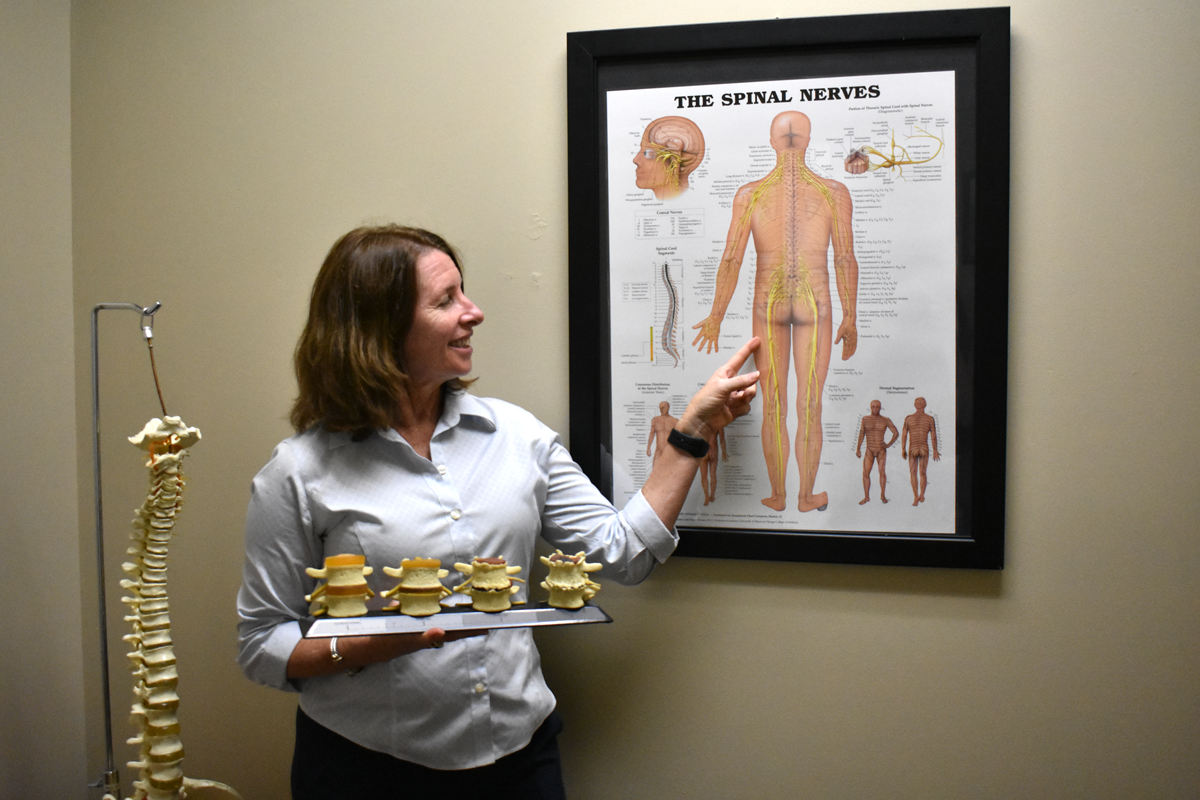
On a sunny Wednesday afternoon, Dr. Susan Kilmer welcomed Ella back to the clinic for a low back adjustment with a friendly, familiar smile. That’s because Ella has been seeking chiropractic care from Dr. Susan for the past 19 years! In 1999, Ella sought out some relief from her general lower back pain and found Susan at her independent practice. She has been seeing her ever since and as a loyal patient, she continued to see her once Susan began working with Tuck Chiropractic as needed.
“I’m getting ready to go on a trip to Nebraska,” Ella shared with Dr. Kilmer.
A Behind the Scenes Look
With long car rides often comes lower back pain, so Ella had come for an adjustment to help relieve the pain she was currently experiencing and to prevent any discomfort on her long trek. This is a common occurrence for patients who travel. While most people see chiropractic care as a solution for active pain, it can be equally effective in preventing future pain.
Dr. Kilmer began her work in helping Ella to walk out feeling better and looking forward to her trip. Starting with an electronic massage device, Dr. Kilmer “warmed up” Ella’s lower back muscles to help the adjustment perform as much as possible. She also prefers to do some muscle work at trigger points across the back to make sure the muscles and spine are completely prepared for the adjustment. While not all chiropractors do this as a best practice, she finds that often times it can make a big difference in helping the patient relax enough for the adjustment to set in.
Decades And Generations of Finding Relief
There’s something to be said about working with a doctor that is familiar with you, your life, and your wellness needs. It’s clear that Ella and Dr. Kilmer have built up a strong relationship over the past two decades. Throughout Ella’s visit, she and Susan talked like family friends. In fact, Susan could even be considered an honorary member of the family. She has treated Ella’s in-laws, nieces, and nephews for their own pain management, too!
After a few adjustments in her lower back and neck, Ella was on her way and already discussing the possibility of another appointment before she leaves for her trip “just in case!”.
“Chiropractic has been very important to me and helping me maintain my mobility,” said Ella. She encourages anyone who is considering chiropractic to give it a try, and of course, see Dr. Kilmer.
As she began to say good bye to Dr. Kilmer and Brandy at the front desk, she exclaimed: “It already feels better, Susan!”
About the Writer
tech
Decades of Experience In Helping People Find Freedom from Pain
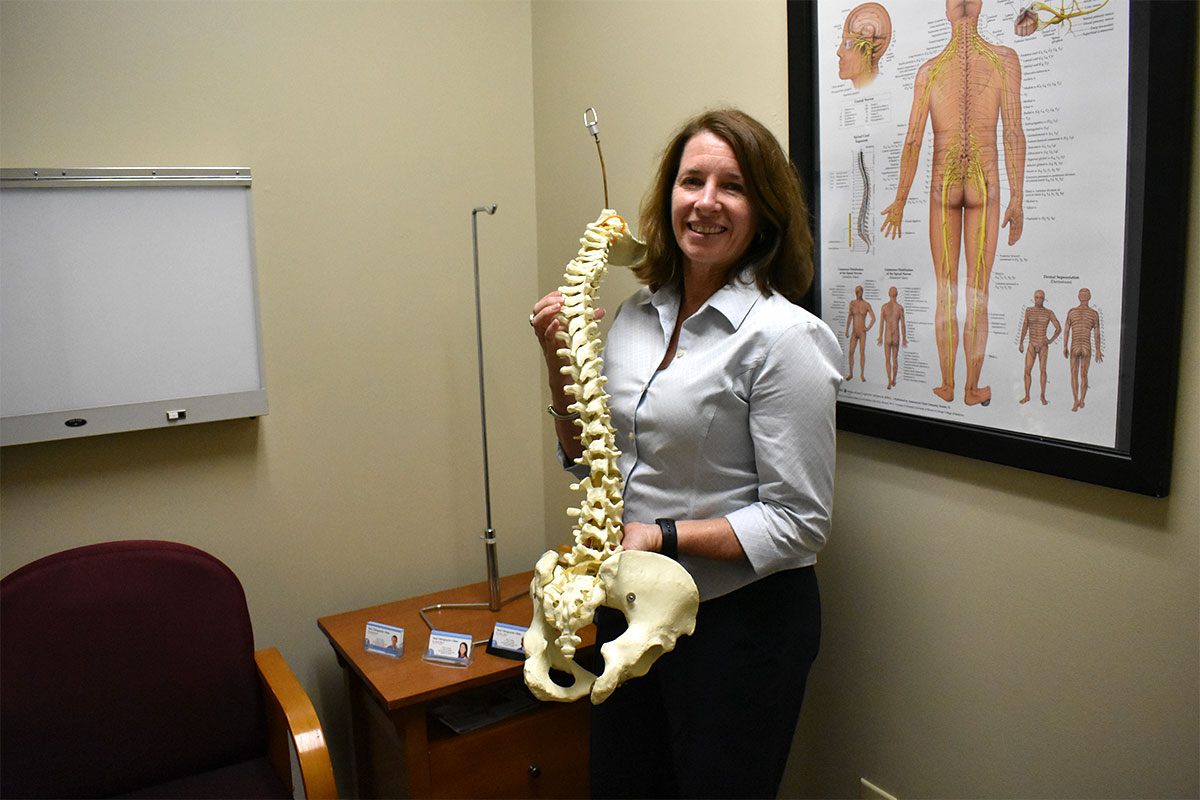
A lot has changed since Dr. Susan Kilmer graduated from the Los Angeles College of Chiropractic in 1985 – but her wide range of experience and continued education on techniques and patient support through the Tuck Chiropractic Clinic has allowed her to continue to help her patients find relief with the most modern techniques available. Her biography on our website doesn’t quite do her realm of experience justice.
Her first place of practice was at the Olympics Training Center in Colorado Spring, CO. Here, she worked with the Olympic taekwondo team and judo team. The opportunity to treat Olympic athletes out of the gate has given her a true soft spot for working with athletes to improve mobility and agility, and reduce vulnerability to injuries. While most chiropractors focus on the skeletal alignment of the body, Dr. Kilmer has a tendency to explore muscular work as well, truly treating the entire musculoskeletal system.
From Colorado, Dr. Kilmer went on to work in Northern Virginia at a larger chiropractic group before settling in Roanoke, VA to open up a private practice with her husband, another chiropractor. She joined the Tuck Chiropractic Clinics in 2015 and embraced being back with a larger team.
“I really love being with a team and not having all of the stress of the administration side of running a business,” says Kilmer. “I enjoy the camaraderie and the support that Tuck provides doctors with to continue education, stay on top of industry trends, and work together to provide a continuum of care across offices.”
Susan always knew she wanted to be in the medical field, but in college, she just wasn’t quite sure what. After doing some research, she stumbled upon evidence that chiropractic could help people with severe, frequent headaches – something she struggled with herself. After trying out the treatments herself, she knew that this was the route she wanted to take. Since then, she’s been changing people’s lives and helping them solve problems that they’ve suffered with for years.
“I never get bored with chiropractic because everyone’s problem is a little bit different,” she says. “I like the challenge of figuring out what’s wrong and how I can help them. Enabling someone to have a pain free life is so rewarding.”
Dr. Kilmer likes to treat a wide variety of patients for that reason. In fact, she says a truly successful day is when she can treat as many patients as possible to help people walk out feeling better. That being said, she does have a soft spot for treating growing little ones.
“If you can fix a problem for a child early, you know that when they get older, they won’t suffer as an adult,” says Dr. Kilmer. She also enjoys helping pregnant and post-partum moms find relief from the back pain that often comes with motherhood.
When she’s not treating patients, Dr. Kilmer enjoys the benefits of chiropractic care herself! With activities like cycling and snow skiing, she’s very active outside of the office and thanks chiropractic care for her continued mobility.
“I used to ride horses and have personally have had a lot of injuries. My back isn’t in the best shape and if it wasn’t for chiropractic, I don’t think I’d be able to function as well as I do,” says Kilmer. “I can relate to patients when they come in with back pain and can hardly move. I have a deep empathy and understanding for what they’re going through.”
If you live in the Cave Spring or Botetourt area, Dr. Kilmer would love to help you live a better, pain-free lifestyle.
About the Writer
tech
Tech Neck: A Seemingly Unavoidable Ailment in Today's Technology Age

Last year, the Scientific American revealed that adults spend an average of 9 hours and 22 minutes of the day staring at a screen of some sort – including smartphones, computers, and television. Other reports have claimed the young children spend around 2 hours a day staring at a screen and that number only increases as the child gets older.
The Screen Effect On Your Spine
All of this time staring down at your phone, hunched over at your computer, or looking down at your iPad can have a huge impact on your spine. This posture imposes more weight on the cervical spine, the part of the spine in the neck and shoulders. The average human head weighs approximately 12 pounds but bending the neck downward even slightly while texting can increase the weight strain on your cervical spine to as much as 60 pounds of pressure at a 60-degree tilt. The greater the tilt, the greater the burden.
As a result, more and more people are suffering from the strain on the neck and shoulders, resulting in a hunched posture. All of these elements combined is known as “tech neck” and can incite various symptoms of pain and tension on the upper back and neck. On the lighter end, people can suffer from neck pain and knots in their neck and shoulders. On the extreme end, this kind of strain can result in a pinched nerve or disc damage.
How to Prevent Tech Neck
The easiest piece of advice would be to reduce time in front of the screens. Although technology is becoming increasingly intertwined with our daily jobs, there are other ways to reduce your time. Instead of taking your laptop to a meeting, try bringing a notebook. The easiest place to make a change is in your home. Try your best to keep your self from idly scrolling through social media apps while watching television or spending time with your family. Not only will the reduction of screen time allow you to spend more quality time with your family, but it will help you sleep better too!
Chiropractic Treatments for Tech Neck
If you’re finding yourself struggling through the day because of neck and upper back pain, chiropractic treatment can help you find relief and get your posture back in order. Experienced chiropractors at Tuck Clinic can do more than just adjust an unbalanced spine. We can also recommend helpful stretches and exercise to counteract the strain placed on your spine and shoulders and improve your posture.
Contact Tuck Chiropractic Clinic with any questions or to schedule an appointment for your initial assessment.
About the Writer
tech
You may also be interested in...

Why Movement is Medicine for Back Pain
Your spine is designed to move. Every joint, disc, muscle, and nerve depends on motion to stay healthy. When movement decreases, the… Read More

5 Easy Habits for a Healthier Spine This New Year
The New Year is a great time to build overall healthier habits, but your spine is the backbone of everything you do. When… Read More

Different Types of Headaches, and How Chiropractic Care Can Help
Headaches are one of the most common health complaints, affecting millions of people every day; however, not all headaches are created equal.… Read More

What Does a Healthy Spine Feel and Look Like?
Your spine is the backbone of your overall health—literally. It supports your body, protects your nervous system, and helps you move with… Read More