
Is Chiropractic Care Safe During Pregnancy
 During pregnancy, your body undergoes many changes to help your baby develop and grow properly until he or she is ready to come into the world. Though swollen feet, raging hormones, aches, and pain are common experiences during pregnancy that doesn’t mean there is no relief.
Chiropractic care involves adjusting misaligned vertebrae or joints within the body to reduce the stress placed on the nerves, soft tissues, and muscles surrounding the area. By alleviating pressure and restoring proper alignment, your body can function optimally and work more efficiently to ensure your health. This article will discuss the benefits pregnant women can receive by undergoing chiropractic care during pregnancy.
Chiropractic Care and Pregnancy
We understand that many have concerns about whether chiropractic care is safe during pregnancy. First and foremost, it is always best to ask your doctor and OB-GYN or health professional if chiropractor care is right for you. He or she may have specific reasons for you refraining from chiropractic care or have a list of chiropractors in your area they recommend.
With chiropractic care, no medication or surgery is involved, instead, physical manipulation is used to restore proper alignment within the body and relieve pain and tension within the body. By restoring proper alignment, your body’s systems can function optimally and help to promote health throughout your body. In the case of pregnant women, though all chiropractors receive training related to caring for pregnant women, some also specialize in prenatal or postnatal care and undergo additional training.
As pregnant women have enlarged bellies, chiropractors use adjustable tables to allow for better patient comfort and refrain from using techniques that may place additional pressure on the abdomen to keep you and your baby safe. We can also recommend a variety of exercises and stretches that are safe and beneficial during pregnancy.
The Benefits
As mentioned above, the body undergoes several significant changes in preparation for your baby’s arrival. An enlarged abdomen, increased back curve, pelvic changes, and changes in posture can all place stress on your body, especially the spine, and lead to misaligned joints or vertebrae.
The change in your center of gravity can make it difficult to stand, sit, or sleep comfortably. You may sleep in an unhealthy position for the sake of comfort, which can lead to damaged joints or a misaligned spine that can linger long after your baby’s delivery. Also, if the pelvis is out of alignment, this can limit your baby’s space and may make it difficult for the baby to move into the best position for labor. By establishing pelvic balance and alignment throughout the rest of the body, your nervous system can work more efficiently including your reproductive system. With regular chiropractic care during pregnancy, you can expect a more comfortable pregnancy, pain relief, and better control over symptoms of nausea.
Though morning sickness, aching feet, and peculiar cravings are a part of the experience, you don’t have to be in pain or uncomfortable throughout your pregnancy. If you are interested in finding out how chiropractic care can help you during pregnancy or to schedule a consultation, contact Tuck Chiropractic today.
About the Writer
tech
Avoiding Injuries During Springtime Activities

We’re all tempted to spring into action as soon as the weather gets warmer. After a long winter of lower levels of activity, it’s important to be mindful of easing yourself back into more strenuous activities to avoid injury. Before you get out and get moving, take these quick tips into consideration!
Working in the Garden
Working in the garden is a favorite Spring pastime, but it can easily lead to injury. From shoveling dirt into your raised beds to bending over to sow your seeds, make sure you’re using the proper form to prevent yourself from straining your back.
- Start Small – Do your best to break up time spent preparing your garden by sticking to one or two tasks a day. Easing into strenuous activities can keep you from overwhelming your body.
- Use Equipment Properly – Use proper lifting techniques when shoveling or using the garden hoe by bending at your knees instead of your back to do the heavy lifting. You can also use a garden stool to keep you from bending over to tend to the garden and sow your seeds.
- Avoid Repetitive Movements – Bending, twisting, and reaching repetitively can strain your joints and muscles easily. If you find yourself needing to do the same task over and over, try taking frequent breaks and stretching in between.
Hiking the Trails
Hiking is one of the best things you can do to get active and enjoy the local amenities that our area has to offer. Unfortunately, hiking up and down hill for long periods of time with a backpack can put a strain on your back and knees. Try keeping these things in mind when setting out on the trails:
- Choose Your Trail Wisely – Yes, McAfee’s Knob has legendary views but is it smart to start off the hiking season with an 8 mile hike? Probably not. Start small with short trails around Carvin’s Cove or up Mill Mountain.
- Choose the Right Pack – Unless you’re doing an overnight hike, you probably don’t need a massive backpack to take with you. However, you shouldn’t skimp on quality either. Make sure you choose a backpack with thick straps and a strap across the chest for added support.
- Wear the Proper Footwear – Make sure you have tennis shoes or hiking boots that have proper traction, ankle support, and are light weight enough to not strain your leg muscles. REI has a great guide to help you choose!
- Pay Attention to Your Core – We often start off with a strong posture but as our bodies become tired, its common for hikers to disengage their core and begin to slump. This can put major strain on your lower back. Make sure to keep your muscle engaged and your shoulders held high!
Running Outside
As avid runners, running on a treadmill during the winter can become boring and monotonous. We understand being excited to get outside and hit the pavement, but you’ll want to make sure you don’t hurt yourself. Try these tips to prepare for a long run on the Greenways!
- Stretch! This seems like a no brainer, but when you’re outside of the gym it’s easy to forget to stretch. Just like any other physical activity, it’s key to do a full body stretch!
- Check Your Shoes – Running on asphalt has a different impact than running on the trails or treadmill. Make sure your shoes provide the proper shock absorption and tread for your preferred running surface.
Spring Cleaning
With the rise of Marie Kondo’s love for purging, everyone will be going full throttle during Spring Cleaning this year- but back pain won’t bring you joy. The increase of general chores requiring repetitive movements combined with the extra lifting of bags, it will be easy to strain your muscles.
- Take Breaks – Taking frequent breaks between tasks that require repetitive movements is the best way to prevent too much strain on your back and shoulders. Stretching during your breaks are always a bonus!
- Using Proper Techniques – Lifting heavy bags with out proper handles and lifting furniture requires a mindful technique. Bend at your knees instead of your waist and don’t be afraid to ask someone for help!
If you find yourself getting carried away this Spring, we’re here to help you work through your injuries!
About the Writer
tech
How Early Exposure to the Practice Led to Dr. Skinner’s Career

Have you ever wondered what kind of impact you may make on a child when you give a presentation on your occupation at Career Day at an elementary school? If you ask Dr. Sean Skinner, he’d say quite a bit!
Dr. Skinner has been practicing with Tuck Chiropractic Clinic since he completed his schooling at New York Chiropractic College in his hometown of Seneca Falls, New York. He was made aware of Dr. Tuck and the Tuck Clinics through Dr. Tuck’s active voice in advocacy for the industry and made a connection through his college’s former president, Dr. Ken Padgett. He began practicing at the Hillsville clinic in 2009 and relocated to the Peters Creek location in 2010 and has been helping patients discover a better, pain free lifestyle ever since!
Early Exposure to the Practice
Dr. Skinner was exposed to the chiropractic practice in elementary school and it always stayed in the back of his mind as he continued through school.
“Dennis Homack was one of my best friends. His dad came in with a spine model in 3rd or 4th grade and I was just so interested in the concept of an aligned spine,” recalls Dr. Skinner.
From there, chiropractic continued to pop up in his life as he participated in high school sports and played college football. Through his treatments and his undergraduate background in exercise science, he continued to be exposed to the concept of natural healing of injuries and the spine with your hands. After exploring the variety of practices in this realm – physical therapy, occupational therapy, etc. – he finally landed on chiropractic.
“I found it interesting that chiropractic was a branch of healthcare that was hands-on like exercise,” says Dr. Skinner. “The fact that manual manipulation can heal the body is just amazing.”
As it turns out Dr. Homack, the chiropractor that introduced him to the practice, instructed several of Skinner’s classes at NYCC!
Helping People Overcome Reservations
A great day at the office includes the opportunity to see a mixture of patients. He enjoys a healthy balance of being able to see his regular patients that come in on maintenance or a “tune-up”, new patients that may be skeptical but leave feeling better, and patients that are in the middle of treatment plans and sharing their progress and satisfaction.
One thing topic that Dr. Skinner is especially passionate about is helping those new patients go from skeptics to believers. While there are a lot of misconceptions about chiropractic, he makes a point to talk to each and every patient about their concerns and questions.
“We wouldn’t be here if we weren’t helping people. What we do is very safe and effective,” says Skinner. “The best thing I could tell skeptical people is to go see a reputable chiropractor. Go for a few treatments and you be the judge.”
He adds that he also thinks it’s important to note that if after those few treatments a patient isn’t feeling a difference in their pain and mobility, the doctors at Tuck Chiropractic Clinic use the local healthcare community as an additional resource. If a patient hasn’t seen an improvement, they will make referrals to local physical therapists or other practitioners that they know and trust.
Living the Feel Better Lifestyle
Having a background in exercise science, staying active is another important aspect of Dr. Skinner’s life. With a 6-year-old daughter, a dog, and his newlywed wife – it isn’t hard to keep stay and active!
“I try to spend as much time with them as possible. She just learned to ride her bike without training wheels this summer,” says Dr. Skinner.
He added how lucky we are to live in a place with so many different amenities to stay active. They take full advantage of the local greenways, pool, golf courses, and hiking trails!
If you’re curious about how chiropractic care can help you live a better, pain-free lifestyle, Dr. Skinner would love to talk you through the process!
About the Writer
tech
Between Visits: 4 Easy Stretches for Lower Back Pain
Whether you’ve heard it in a kid’s show or remember the original song by Delta Rhythm Boys, “Dem Bones” is a familiar favorite that reminds you that:
“The hip bone’s connected to the back bone
The back bone’s connected to the neck bone,
The neck bone’s connected to the head bone,
Now shake dem skeleton bones!”
Everyone from your science teacher to your chiropractor has reminded you that everything is connected; that when one part of your body is affected, it influences the rest of your body to react accordingly. This concept often influences how we at Tuck Clinic build a conservative care plan around the unique state of your body and the pain you experience. This is especially is especially relevant when dealing with low back pain that trickles down into sciatica and leg pain.
A comprehensive care plan should go beyond clinical adjustments and extend into small adjustments in your daily life. After all, in order to feel better, you must live better! In between visits, there are a a few things you can do to keep your back happy and healthy. Stretching your body releases toxins and allows your muscles to reach their full spectrum of movement in a slow and safe manner, providing therapeutic relief. When you stretch the right muscles in your legs and hips, they also open up various back muscles, providing you with relief and improved flexibility.
Please keep in mind that these are only suggestions and you should consult with your doctor to identify any mobility limitations you should consider before attempting these stretches.

Resting Pose or Child’s Pose
To get into position, begin with your knees on the floor either together underneath you or spread apart and fold over your legs with your arms outstretched in front of you. As your tailbone stretches backward, try to reach your hands forward, lengthening the spine and opening your hips.
Affected Muscles: Hips, Lower, Middle and Upper Back, Shoulders
Additional Benefits: Stress Relief -This stretch presents very little strain and a whole lot of relaxation!

Lying Knee to Chest + Twist
As another passive pose, you get into position by starting with lying on your back. With one of your legs straight out, bring your other leg towards your chest and hold. Then, slowly bring your knee over your body to the opposite side, resting it on the floor. For an extra stretch, bring both arms straight out into the shape of a T.
Affected Muscles: Piriformis muscles, Paraspinal Muscles, chest, and shoulders
Additional Benefits: Twisting the abdomen strengthens your center and activates the digestive process.

Piriformis Seated Stretch
Begin this pose sitting straight up. Cross one leg over the other, with the lower leg lying down, tucked in under the opposite hip and the top leg with your knee pointed upwards with your foot placed next to your thigh. Place your arm around your top leg to pull inward, stretching the top leg. Be sure to continue to sit up straight.
Affected Muscles: Piriformis muscles, thigh muscle, lower back
Additional Benefits: Practicing positive posture

Hamstring Stretch
This stretch can be performed standing or sitting, based on your personal preference and level of mobility. Keep legs straight out with knees slightly bent to protect your knee joints and tendons. Bend over legs with a straight back. Do not sacrifice the strength of your back to reach closer to your toes. If you take this pose standing, you can grab your arms at your elbows to encourage gravity to stretch you further.
Affected Muscles: Hamstring, Lower Back, Upper Back
Additional Benefits: If taken standing, blood flow to the head improves circulation.
About the Writer
tech
Putting a Spring in Your Step with Chiropractic

Whether you’re chasing your grandchildren around the playground or chasing an Olympic gold, there’s nothing like feeling great so you can enjoy the activities that bring meaning to your life.
But sometimes, life’s aches and pains stand in the way. What then?
Athletes know the benefits offered by chiropractic: All NFL teams have an official chiropractor, and more than 50% of NCAA athletes choose alternative therapy — including chiropractic — to stay on top of their games.
What about your game? Whether it’s golf or tennis, or just taking a stroll in the park on a beautiful spring morning, is your body ready?
Winning Form
You don’t have to play golf or softball to see how the back, joints, and muscles coordinate to swing a club or bat. Chiropractors use spinal manipulation, or adjustment, to relieve pressure on joints and improve nerve function. They can also advise you on diet and exercise to maintain optimal health.
Even in people without symptoms, research has found that manipulation therapy increased joint motion and increased muscle strength. Here are some other examples of how chiropractic can help you but a spring in your step:
- The New Zealand College of Chiropractic’s Centre for Chiropractic Research found that spinal manipulation may prevent fatigue and boost muscle function.
- A similar study of 40 South African soccer players found that lumbar and sacroiliac joint manipulation increased kicking speed, and range of motion in lumbar extension, right rotation, and SI joint angular motions.
- Another published report found that a full range of treatment, including soft tissue therapy (massage) and manipulation, can assist with rotator cuff injuries.
- A study of various approaches showed that manipulation of the neck area produced increased flexibility at the hip.
Getting off to a Good Start
When you first get back into an active, outdoor lifestyle, overdoing it can lead to back and neck pain, and reduced mobility. Whether these come from months of cold weather, too much time in the easy chair, or taking on too much at once, a chiropractor can recommend a wide range of options including adjustment, exercise, and diet to get you and keep you healthy and active. Here are some common complaints, and how chiropractic can help.
Back Pain
If you don’t even want to lift your clubs or tennis racket, you’re not ready to play. Of the 22 million chiropractor visits annually, 7.7 million, or 35%, are from patients seeking relief from back pain, which can be caused by wear and tear, poor posture, diet, or lack of exercise. Studies published by the National Institutes of Health found strong evidence for the efficacy of manual treatment. Patients with acute pain showed strong evidence of improvement when compared to placebo treatment for pain, function, and health improvements. For chronic pain sufferers, there was moderate to strong evidence in favor of chiropractic compared with placebo treatment for pain, function and overall health.
Neck Pain
Neck pain is another leading complaint. Studies demonstrate that cervical manipulation increases active range of motion and decreases pain in patients with neck issues. All these improvements were maintained at 6-month follow-ups. One study showed that manipulation was 1.5 times more effective in reducing neck pain than massage-style mobilization therapy. Those receiving chiropractic care demonstrated a significant increase in joint flexibility over the group receiving other treatment.
Headache
Chronic headaches can keep you inside and in the dark, and poor posture — the same problem that can lead to backache — can contribute to frequent tension headaches. One study found that in the long run, one month of chiropractic care (approximately 2 visits per week) was more effective than a commonly prescribed drug for the condition.
Other Conditions
A host of other conditions — even constipation, which might keep you indoors — can improve with proper treatment from a chiropractor. Chiropractic adjustments can remove blockages in the nervous system that are preventing the proper function of your body, slowing you down and keeping you planted on the couch. Getting your body in shape can help alleviate dizziness, tinnitus, osteoarthritis, stuffy ears, and numerous other symptoms.
Time to Get Moving!
Don’t let aches and pains keep you indoors when the sunshine is calling you outside. And as you head out the door with the clubs slung over your back, consider how much better your swing will be if your body is in perfect mechanical balance. You wouldn’t take off on a road trip without having your car checked out. Give your body the same essential tune-up with a visit to Tuck Chiropractic Clinic.
Want more tips about staying active and fit this spring? Stay tuned to our blog in April for a fitness-themed month of posts!
About the Writer
tech
Chiropractic Care After an Auto Accident
 Automobile accidents are often unexpected events that happen within an instant and can leave lasting impacts. Even in minor accidents, serious injuries can occur such as soft tissue sprains, head injuries, and whiplash. Symptoms may occur several days after the incident once your body relaxes from the tense altercation causing you to notice soreness, pain, and discomfort that may not have been present immediately after the accident. Fortunately, chiropractic care has proven effective in helping to restore the function of your nervous system without invasive methods or pain medication.
What Happens During an Accident?
During an accident, the musculoskeletal system within your body can be knocked out of alignment by just the force of the impact, causing neck and back pain. Depending on the severity of the accident, other injuries may occur.
Whiplash
Whiplash is a common injury in rear-ended accidents and occurs when the head is suddenly jolted into another direction. The sudden “whipping” motion destabilizes the spine and can injure the surrounding and supporting tissues of the neck and head such as the muscles, nerves, soft tissues, and spinal discs. Muscles react by tightening and contracting, creating muscle fatigue, which can result in severe pain, muscle stiffness, and limited mobility.
Common symptoms of whiplash may include:
- Back pain
- Blurred vision
- Decreased range of the motion in the neck
- Headaches
- Irritability
- Muscle stiffness
- Neck pain
- Numbness that extends from the neck down to your arms and hands
- Poor concentration and memory retention
- Ringing in your ears
- Shoulder pain
How We Can Help
When the body sustains sudden and jarring trauma, soft tissues such as muscles, ligaments, and tendons can stretch and tear. Though traditional medication may provide immediate pain relief, it does not offer a long-term solution to pain management or help to restore mobility after an injury.
As chiropractors, our goal is to assist your body in healing itself by treating the root cause of your pain. Treatment will focus on realigning your spine and affected joints to alleviate pressure on surrounding nerves allowing for almost immediate pain relief, this will also relax tense muscles and reduce muscle stiffness. Your chiropractor can also use massage techniques or machine-assisted methods to help reduce any pain or discomfort you may be having. We can also recommend certain exercises to help improve your range of motion and mobility.
If you or a loved one has recently been involved in an auto accident, it is important to seek prompt care to best avoid any lingering discomfort or damage from the trauma. By seeking early care and treatment, the sooner you can begin the road to recovery and have a safe and full recovery with minimal complications. For more information on how we can help after an accident or to schedule an appointment, contact Tuck Chiropractic today.
About the Writer
tech
What is Cervical Disc Degeneration?
 Considering all the stress that is put on the neck, it is no surprise that two-thirds of Americans experience significant neck pain at least once in their lives. Neck pain is a common complaint as neck muscles can become strained from poor posture, injury, or rough movements. Chronic neck pain may also be a sign of a more serious underlying condition such as cervical disc degeneration, which can be mistaken for neck pain until becoming severe. However, cervical disc degeneration is more than just a stiff neck and refers to a degenerative process in which the discs in the cervical spine have begun to deteriorate and cause pain in the neck, upper body, and arms.
What is Cervical Disc Degeneration?
The cervical spine is the part of your spinal column that forms your neck. It consists of seven vertebrae which are separated by discs. These cervical discs stabilize your neck and allow you to smoothly turn and move as desired and act as shock absorbers during activity.
Each disc is composed of a sturdy outer wall and a soft, gel-like inner core. When you are born, these discs are primarily composed of water. When you age, the discs lose some of this water content and begin to thin, providing less shock absorption. This process also makes the disc prone to developing cracks and tears. These changes in your discs can cause the disc to bulge out or protrude and press against nearby nerves which can cause a variety of sensations ranging from numbness, limited mobility, muscle weakness, tingling, and radiating pain that may extend down the neck into the shoulder, arm, hand, and fingers.
Signs and Symptoms of Cervical Disc Degeneration
Cervical disc generation can often be dismissed as neck pain early on. Depending on the severity of the condition, symptoms may vary from person to person. Pain may develop slowly or appear suddenly with symptoms that range from a mild neck ache to an inability to move the head without severe pain. Common signs or symptoms of this condition may include:
- Headaches
- Limited movement
- Muscle stiffness
- Neck pain
- Worsening pain with movement
If the nerves are affected, patients may experience pain, numbness, tingling, and weakness in the neck, shoulder, arm, hands, and fingers. These symptoms may only be present on one side of the body. In severe cases, nerves in the neck may begin to affect nerves in the lower body leading to muscle weakness in the legs, loss of coordination, difficulty walking, and trouble with your bowels and/or bladder. If you experience these symptoms, it is important to contact your doctor right away.
Diagnosis
A diagnosis is typically achieved after a thorough review of your medical history, discussion of symptoms, and physical examination. During the examination, you may be asked to perform a variety of tasks and describe how those actions affect your symptoms. A neurological exam may also be performed to test your strength, reflexes, and sensations in the affected areas. Imaging tests such as MRI, X-rays, and CAT scans are also used to identify the disc degeneration and how the nerves and surrounding soft tissues are affected as well as the severity of your condition. Once diagnosed, we will work with you to create a customized treatment plan tailored to your needs and lifestyle.
Treatment
Treatment will depend on the severity of symptoms, your doctor’s recommendations, and whether nerves have been affected. As chiropractors, we specialize in the manipulation of joints within the body to ensure proper functioning and health of the nervous system and that includes your neck. Not only will we locate the source and cause of your pain but we will also provide effective treatment options and lifestyle adjustments to ensure your recovery and restore your optimal quality of life. Rest, cold and warm compresses, and over-the-counter medication can help mild symptoms while more moderate cases may require joint manipulation, bracing, and physical therapy.
The goal of our treatment is to improve joint mechanics within the spinal column to alleviate inflammation and pressure placed on nerves and surrounding soft tissue to restore mobility and function to the neck. Your chiropractor may use a combination of manual manipulation, heat and ice therapy, instrument-assisted manipulation, and therapeutic massage to alleviate symptoms and treat the source of your pain.
If you are experiencing neck pain and suspect cervical disc degeneration, seek professional treatment. Regardless of the source of your pain, we will work with you to determine the right treatment plan for your needs. For more information on cervical disc degeneration or to schedule an appointment, contact Tuck Clinic today.
About the Writer
tech
Wrist Pain
 As we navigate through this pandemic many of us have begun to rely on technology even more as stay-at-home orders pushed us to operate businesses, homes, and schools virtually. The increase in screen time can have a direct effect on your health. We aren’t talking about your eyes, but your wrists!
Wrist pain is a common complaint amongst athletes, writers, mechanics, hairdressers, and just about anyone who relies on their hands heavily to complete their jobs. However, no matter what your routine or job is, your wrists are some of the most used joints in your body. If you’ve noticed a nagging pain in your hand and wrists lately, we encourage you to come into our office for an evaluation and treatment.
Though some patients may assume they have carpal tunnel syndrome once they begin to notice reoccurring symptoms, that may not be the case as other conditions can share similar symptoms. It is important to seek a professional medical diagnosis before starting treatment as a condition not properly assessed will only lead to temporary relief and unsuccessful treatments.
Carpal Tunnel Syndrome
Carpal Tunnel Syndrome (CTS) refers to the compression of the median nerve that runs down your forearm, through your wrist, and into the hand. This pressure leads to numbness and tingling throughout the hand commonly felt along the underside of the hand. This pain may extend into the thumb and ring finger. Muscle weakness or clumsiness in the hand may also be experienced. This condition can also be aggravated by other medical conditions such as diabetes or arthritis.
Tendonitis
Tendonitis in the wrist occurs when the soft tissue tendons within your wrist become inflamed. Overuse or repetitive motions can irritate the tendons leading to small tears causing inflammation. Common symptoms include joint stiffness, pain in the wrist, decreased range of motion, muscle weakness, and numbness that extends into the fingers including the pinky. Tendonitis can occur on its own, after injury, or be a secondary symptom to another medical condition.
How We Can Help
Wrist pain may also be caused by a neck, shoulder, or elbow dysfunction that is causing pain to radiate downward and affect the wrists. As chiropractors, we specialize in the manipulation of joints within the body to ensure proper functioning and health of the nervous system and that includes your wrist joint. Not only will we locate the source and cause of your pain but we will also provide effective treatment options and lifestyle adjustments to ensure your recovery and restore your optimal quality of life.
Treatment will vary based on the severity of your condition, doctor’s recommendations, and lifestyle habits. Rest, cold and warm compresses, and over-the-counter medication can help mild symptoms while more moderate cases may require joint manipulation, bracing, and physical therapy.
Though you cannot fully prevent these conditions from occurring, there are steps you can take to reduce the stress and strain placed on your hands and wrists. We recommend the following tips as preventative measures:
- Adopt a neutral grip or position that keeps the wrist and hand straight
- Give your hands a break for a few minutes every hour to allow them to rest
- Sit up straight with your shoulders squared as a hunched posture can strain your arms and wrists
- Stretch your hands every hour by rolling your wrist, making a fist, and extending your fingers
- When typing, keep your wrist straight and floating above your keyboard
Your keyboard should be level with your forearms to avoid straining while you type.
Wrist pain can be debilitating but that doesn’t mean you have to live with the pain. If you are experiencing wrist pain, seek professional treatment. Regardless of the source of your pain, we will work with you to determine the right treatment plan for your needs. For more information on wrist pain or to schedule an appointment, contact Tuck Chiropractic today.
About the Writer
tech
Is Chiropractic Care Covered in My Insurance?
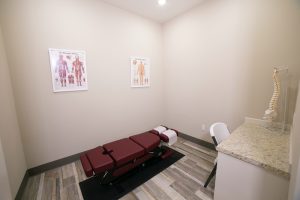 Chiropractic care can be an excellent alternative treatment option for aches and pain throughout the body. Every year, over 20 million Americans visit chiropractors across the nation for various ailments. If you have been injured recently or experience frequent pain in your lower back, you may be considering visiting a chiropractor and wondering about whether your health insurance covers chiropractic care.
Does my insurance cover chiropractic care?
As stated above, seeking chiropractic care is fairly common. Fortunately, most insurance companies cover chiropractic care but do require a co-payment.
Chiropractic care is included in most health insurance plans, including major medical plans such as workers’ compensation, Medicare, Blue Cross Blue Shield, Cigna, Humana, Aetna, and UnitedHealthcare. It is often also made available to all active-duty members of the armed forces, eligible veterans, and federal employees.
It is important to note that though these companies cover chiropractic care, their coverage may be limited and come with certain restrictions including:
- A referral from your primary care physician stating that care is medically necessary
- A cap on how many times you can receive treatment within a month or year
- They may make you use in-network or approved chiropractors
- They may require your doctor to create an active care plan and follow it
Most insurance plans will only cover your short-term care during recovery and will not pay for maintenance visits or long-term care plans.
Due to the unique nature of health insurance and state mandates, we always recommend patients check with their insurance company and specific health plans as each will have different requirements, limits to care, and levels of coverage.
Deductibles
Some policies require that you meet your deductible, or a minimum dollar amount before your benefits will kick in. If your insurance does cover chiropractic treatment and you’ve met their specific requirements, you can expect to pay a portion of the cost of treatment, assuming you’ve met your deductible. If you haven’t met your deductible, you will have to pay the full price until you’ve met the minimum dollar amount for your policy.
Deductibles often reset on January 1st, so if you have met your deductible and are still needing treatment, now is the time to receive care to avoid having to begin paying toward your deductible again after the new year.
Why doesn’t health insurance cover maintenance care?
Coverage is often provided when care is part of an active treatment plan, meaning you are receiving care to treat a specific injury and that the treatment is currently improving your condition and symptoms. When significant treatment can no longer be expected from the care, treatment then becomes supportive rather than corrective, becoming maintenance care. Since most insurance companies only cover care for medically necessary treatments, maintenance care is not considered covered and therefore not payable.
What can I do if my health insurance doesn’t cover my care?
If your insurance doesn’t cover your health plan involving chiropractic care, talk to your doctor to see if they can help. They may be able to reach out to your insurance company on your behalf and explain their referral. You can also reach out to the company yourself and explain your story to them. If they do not cover your care, you may have to pay out of pocket for chiropractic care. Remember to discuss payment plans or other discounts you may be eligible for at our office during your consultation. Another option for those whose insurance doesn’t fully cover chiropractic care is supplemental coverage which can be used in addition to the healthcare you currently have.
Our team is always looking for new ways to help our patients receive quality and affordable chiropractic care. Whether you need an exam for an injury, rehabilitation services, or treatment for a chronic condition, we are here for you and happy to schedule an appointment to get the care you need. For more information on our services and how we can help you, please contact Tuck Chiropractic.
About the Writer
tech
Chiropractic Care and Fall Prevention
 Did you know that one in every four adults over the age of 65 falls at least once every year? With one in every five falls leading to a serious injury, falling can be one of the biggest dangers to your overall health and wellbeing as well as your quality of life. Fortunately, there are steps you can take to prevent falling and reduce your risk of injury – and chiropractic care can help.
The Dangers of Falling
As stated above, falls can cause patients pain, injury, and disrupt their overall quality of life. Falls can cause broken bones such as wrist, arm, ankle, and hip fractures. Head injuries are also common injuries from falls especially for those who take certain medications that may act as blood thinners.
Several risk factors that contribute to the risk of falling include:
- Cognitive impairment
- Core and lower body muscle weakness
- Difficulty walking or maintaining balance
- Environmental hazards
- Joint and muscle pain
- Medications
- Pre-existing medical conditions
- Vision problems
Unfortunately, after a fall some patients may fear falling again and begin limiting their activities which may work against them as decreased activity can lead to muscle weakness and increase their chance of falling.
How can chiropractic care help?
If you are injured from a fall and experience back pain, neck pain, or hip pain, chiropractic care can not only help to relieve pain, but also can also offer preventative care! Chiropractic care helps to keep your joints and soft tissue in working order which is important to staying healthy and active as you age.
By restoring proper alignment to your body, we can help patients regain mobility allowing you to stay active. We can also offer nutritional advice to help fuel your body properly and keep your bones strong. Another way we can help is to recommend exercises and lifestyle changes to improve and maintain your sense of balance, muscle strength, and flexibility.
Improving your muscle strength in your core and legs is one of the best ways to reduce your risk of falling and the chance of severe injury. Walking, jogging, yoga, dancing, and Tai Chi are all exercises you can do with no special equipment other than supportive shoes. Even practicing leg extensions from a seated position at home can help keep you centered and on your feet. Exercising at least 20 minutes a day will help to prevent muscle weakness which can make you prone to falling.
On your own or with your family, we recommend you also assess your home around environmental hazards as some falls occur within the home or around the house.
- Ensure handrails are secure on both sides of a staircase
- Install grab bars near the toilet and bathing area
- Keep hallways and pathways clear
- Keep frequently used items within easy reach
- Place rubber mats in the kitchen
- Use non-slip mats around the bathroom both inside and outside the bathing area
With these steps and our treatments, we will work together with you and your health care providers to ensure you can continue living a full and healthy life. For more information on how chiropractic care can help with fall prevention or to schedule an appointment, please contact Tuck Chiropractic today.
About the Writer
tech
You may also be interested in...

Why Movement is Medicine for Back Pain
Your spine is designed to move. Every joint, disc, muscle, and nerve depends on motion to stay healthy. When movement decreases, the… Read More

5 Easy Habits for a Healthier Spine This New Year
The New Year is a great time to build overall healthier habits, but your spine is the backbone of everything you do. When… Read More

Different Types of Headaches, and How Chiropractic Care Can Help
Headaches are one of the most common health complaints, affecting millions of people every day; however, not all headaches are created equal.… Read More

What Does a Healthy Spine Feel and Look Like?
Your spine is the backbone of your overall health—literally. It supports your body, protects your nervous system, and helps you move with… Read More