
Protecting Your Child's Back This School Year

For most families, one of the focal points of back-to-school time is picking out the perfect backpack. While the kids focus on the aesthetics – the colors, amount of zippers, and extras that come with it – it’s your responsibility as a parent to focus on the function. The average McGraw-Hill standard textbook weighs 3-4 lbs. across age groups of students. Combine 4 to 7 of those textbooks with other supplies like notebooks, pencils, and a calculator and your child’s backpack is suddenly a heavy load to bear. If you have a student-athlete, you can expect additional weight added by a duffel bag of sports equipment and practice clothes.
A cross-sectional study of Italian students in 2016 showed that out of 5,318 students, 60% of those students experienced back pain related to the load and extended time of use of their backpack. In particular, adolescent girls seemed to struggle the most with chronic back pain due to the need to tote a heavy load throughout the day. Due to the excessive strain placed on the shoulders and lower back to carry these loads, some students can even experience spinal compression throughout their schooling if not properly supported and treated. While parent’s don’t have control over what textbooks teachers assign their students, there are a few things they can do to help their children avoid the pains of carrying a heavy backpack load.
Finding the Right Backpack
Finding a backpack that fits both form and function for your child is no easy task, but it isn’t impossible. If you’re trying to find the right fit for your back-to-schooler, there are a few key elements to look for:
– Wide, padded straps provide extra support and relieves strain on the shoulders.
– Multiple compartments to prevent weight from being centralized to one area.
– Adjustable straps so that the weight does not sit more than 4 inches below the waist.
– An additional support strap across the waist or chest can also help lighten the load.
*Bonus Tip* Make sure your child wears their backpack with both straps to balance the weight! Try to avoid messenger bags that can put a strain on a single shoulder.
Working with the School
The recommended weight for a student’s backpack is between 10 and 20 percent of their total body weight. Unfortunately, it is hard for schools to oversee the issuance of books and supplies based on this guideline, because growing kids in a single age group tend to fall in a wide range of shapes and sizes! That doesn’t mean your child has to suffer the consequences of being smaller with a heavier load.
Talk to your administrators and teachers about the possibility of acquiring two sets of books for your students – one that can stay at home and one that can stay in the classroom or locker. This will alleviate the need for the child to tote around the heavy books all day as well as to and from school. You might also be able to access some textbooks with an online version, further eliminating the need for your child to carry their books all the way home.
Chiropractic Care for Children & Teens
If you find that your student is still struggling with back pain as a result of a heavy backpack, lack of back support in desks, or any other challenge that going back to school presents, we’re here to help. We can provide a gentle spinal manipulation that can realign your child’s back and help them find relief. It’s also a great measure to improve the immune system – an extra line of defense against all those fresh germs!
About the Writer
tech
A History of Chiropractic in Southwest Virginia
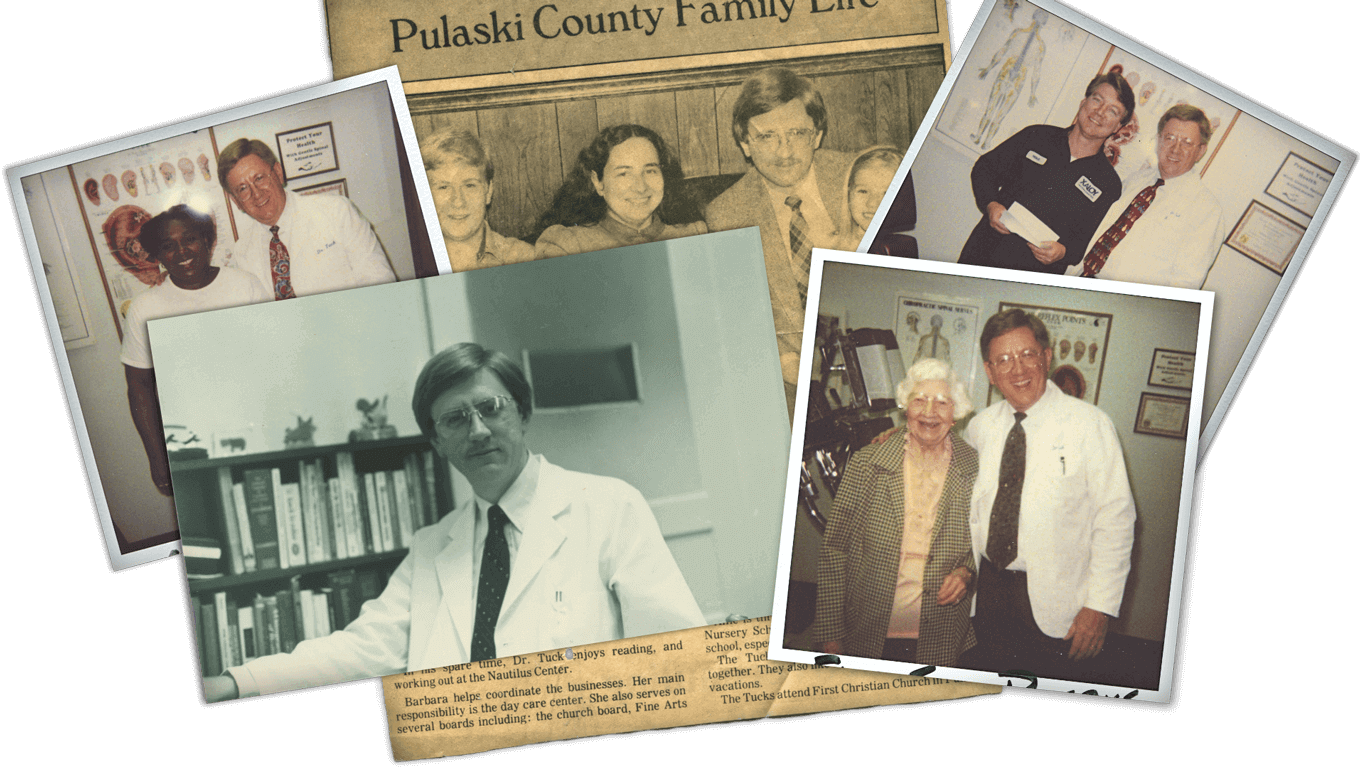 The study and practice of chiropractic got its start in 1895 when Dr. David Daniel Palmer performed the first chiropractic adjustment. While certain adjustment techniques had been around for many decades through history, nobody had ever compiled and codified these practices into a single philosophy of medicine. It was two years later that Palmer School of Cure, now Palmer College of Chiropractic, opened its doors to teach those interested in alternative healing techniques.
Fast forward to 30 years and a student of the Palmer College of Chiropractic, Dr. Robert C. Bowie opened the first chiropractic practice in Galax, Virginia. While a seemingly typical feat, practicing chiropractic was still considered illegal in the state of Virginia at this time. Bowie faced public scrutiny and even legal trouble for his practice.
In August of 1928, the Virginia Medical Society wrote a letter calling for law enforcement to persecute Dr. Bowie for his practice, calling the Chiropractic Board he belonged to a clan of “quack charlatans and imposters”. Despite two arrests and fines of $50 and $500, Bowie continued to bring relief to patients throughout Southwest Virginia through his practice. He was among 12,000 chiropractors with more than 15,000 prosecutions for practicing medicine without a license, but he was never put on trial. This was because there were so many people in town that had been treated by him, they were unable to compile a neutral jury!
Dr. Bowie continued his brave fight for the practice when he was elected to the Virginia House of Delegates, serving from 1944 to 1946. During his time at the General Assembly, he worked hard to push forward legislation that would accept state licensure of the chiropractic practice. He also became the first chiropractor to serve on the Virginia Board of Medicine. Throughout his career, he continued to serve the community in which he practiced as a doctor, a citizen, and even as Mayor for a time.
So why is this story so important to Tuck Chiropractic Clinic? Well, when it came time for Dr. Bowie to retire in 1982, someone had to purchase his practice. That someone was Dr. Nathan Tuck, our founder, and father of current President, Dr. Ray Tuck.
Dr. Nathan Tuck opened the doors of his first clinic in 1979 in Pulaski, VA, just a short drive from Dr. Bowie’s practice in Galax. Tuck saw this as the perfect opportunity to broaden his area of service while helping Bowie’s patients in Galax continue to access a continuum of service and relief. Here, Dr. N. Tuck continued to practice until 2005, when he suffered a heart attack. By this point, his son and our current President, Dr. Ray Tuck, was prepared to confidently take over the practice.
Today, we still serve patients in the Galax area, they just have a little further to drive. In order to consolidate services, we combined the Galax office with our current Hillsville location. Now, Tuck Chiropractic has 9 locations with 17 doctors that are eager to serve patients across Southwest Virginia. As we continue to grow further into areas beyond the New River Valley, we’ll never forget our roots and the deep roots of our practice in this area!
About the Writer
tech
A Quick Guide to Avoid Common Lifting Injuries

Are you looking to ramp up your fitness plan with some serious weightlifting? Or maybe you’re just a weekend warrior who is ready to tackle their next big home improvement project? Either way, you’ll need to tap into some key techniques that will allow you to go beyond your day to day capabilities and do some heavy lifting.
Protecting Your Knees During A Squat
One victim of improper lifting is the knee. An immense amount of pressure is put on this joint to support the weight and strength of the rest of your body during moments of intense lifting. Overuse and improper use of your joints could cause osteoarthritis, stressed tendons, and limited mobility. That’s why it’s important to use the right technique when performing a lift that relies heavily on your knees, like the back squat.
The back squat is performed with the weight bar rested across the shoulders of the lifter and puts a strain on the hips, quads – surrounding the knee, and lower back. Moving from standing to a near sitting position and back, this move puts a lot of weight into the knees to support the movement. In daily life, you could find yourself squatting when lifting your toddler, going to the bathroom, or picking up boxes. Ryan Robertson, owner of Brickhouse Crossfit in Downtown Roanoke has joined us to demonstrate a proper squat technique.
Ryan’s top tips for protecting your knees during your squats are:
1. Perfect your air squat first
2. Keep your toes pointed out slightly
3. Send your hips back first before moving down through your knees
Protecting Your Back During A Deadlift
Two of the most common areas that heavy lifting can incite pain and injury is the upper back and neck and the lumbar spine. Repetitive stress on the back gradually causes improper alignment of the spinal column and may give rise to a herniated disk. If you aren’t lifting heavy objects, whether in your day to day or at the gym, you could be at risk for chronic back pain as a result of injury to a herniated disk.
One of the most common lifting techniques that lead to back pain is the deadlift. Ryan defines deadlifts as really any time you pick something up off the floor in your daily life – but for him, it’s typically in his gym. Essentially, you’re lifting the bar and weights up from the ground, rather than a rack. This kind of lifting works your lower back, gluteus maximus, hamstring, quads, and more. Outside of the gym, this could be when you’re bags of groceries from the ground, moving bags of topsoil, or even lifting your child from the ground.
Here are Ryan’s top tips for protecting your back during a deadlift are:
1. Keep a Flat Back
2. Keep Your Core Tight
How To Find Relief In the Event of An Injury
Preventative exercise is a great way to improve the strength of the muscles and joints to prevent pain from arising from day to day activities.
Dr. Skinner of Tuck Clinic in Roanoke, VA says, “Keeping muscles strong around the joints protects the joints from excessive forces. Making sure that we are performing the exercise properly is very important. Consulting with a fitness professional, like Ryan, can help tremendously in getting on the right program. “
If you find yourself in pain after an intense workout or even working around the house, the first thing you should do is ice! Your body’s first response to an injury is inflammation and ice should be the first line of defense to keep swelling down. During the first few days of an injury, try applying ice for about 10 minutes once an hour if it is available to you.
If you’re still suffering from pain after an extended period of time, it may be time to visit a chiropractor for an evaluation. A thorough evaluation can determine what’s wrong and develop the proper course of care for your unique challenges. From electrical stimulation to spinal or joint manipulation, we can help you find relief for your acute pain in an affordable, non-medicated way. In some cases, we can consult with your primary care or local orthopedic specialist to help with a diagnosis and treatment.
“We are really lucky in the Roanoke area – we have a great network of diagnostic imaging centers and orthopedic specialists to work with to help our patients feel better,” says Dr. Skinner.
Are you ready to take your fitness plan to the next level? Good luck, and just like Ryan said – Have fun!
About the Writer
tech
How to Communicate Your Pain
Have you ever had to explain the sound your car is making to a mechanic? If you’re not mechanically inclined you may have a tough time capturing the exact sound, therefore leaving the mechanic confused as to the source of the problem. We often run into this problem when we are in pain, too. We know it hurts, but we can’t quite identify where or what the pain is. Communication is key when working with a chiropractor and your path to recovery.

Chiropractors Know What To Look For
The pressure is not all on you. Chiropractors are trained to look for nonverbal as well as verbal cues when dealing with patients in pain.
Tuck Chiropractor, Dr. A.J. LaBarbera, explains how he picks up on his patients’ pain:
“Many patients will give an accurate account of their pain. However, many patients will nonverbally communicate their pain by limping, favoring an arm or leg, frowns or grimaces when an area is touched, and general irritability.”
All of these can be cues to pain and the ways that patients will give non-verbal communication of their pain.
“Often times, we have to look beyond the obvious to identify where the true source of pain is coming from based on non-verbal cues”, says Dr. LaBarbera.
Your Lifestyle Speaks For You
While communicating your pain can be difficult, chiropractors will benefit by knowing as much as possible about your current and previous lifestyle habits. This can help them identify the source of pain or identify potential traumas.
For example, knowing that a patient with shoulder pain used to be an avid softball player and was the pitcher for their team can point out that their shoulder has probably been overworked and has possibly encountered some trauma. Or maybe you just recently acquired a new hobby of leisurely biking. If you are suddenly experiencing knee pain, your new activity may have flared up your recent discomfort. It’s important to provide as much context as possible about your previous lifestyles and recent lifestyle changes.
The most important thing to remember is to be transparent with your chiropractor. Their goal is to help you recover and live pain-free. Be open, honest, and willing to learn when you talk to them and you should have an effective path to recovery.
If you have any questions about what to expect from your first visit with a chiropractor, learn more here.
About the Writer
tech
Overcoming Reservations to Find Relief

Stephanie woke up one day and was unable to turn her head to the left. After years of chronic back pain and knee pain, her condition took a turn for the worse when she was unable to drive or do her job properly. It was at this point that Stephanie finally overcame her reservations about trusting others with her care and sought out a chiropractor. Under the guidance of a friend, she made an appointment with Dr. Katie McKown in Woodlawn, VA.
“I was hesitant and nervous,” she recalls. “Dr. McKown and staff reassured me and made it easier for me to relax and get involved in my treatment.”
At Tuck Chiropractic, we take a different approach to providing care. It’s important for our patients to feel reassured and that they have a say in the care that we are providing. The collaboration and communication between patient and doctor are vital in this way. It’s our job to make our patients feel better both physically and mentally.
After Stephanie’s first visit, mobility in her neck had returned and she was able to continue to work and drive without trouble or tension. Within a few more visits, her knee and back felt better than they had in years. As someone who enjoyed an active lifestyle before her pain arose, she was able to ease herself back into running and exercising. Now, she runs 4-6 miles daily!
“I am as active as I used to be before the pain set in,” says Stephanie. “Before chiropractic care, I was in chronic pain and thought it was something I had to live with.”
We realize that taking the plunge to explore a new option of care can be scary. We do our best to educate our patients on the matter and make them feel like the right decision. When they begin to find relief, it’s easy for them to see.
“I suffered from pain for years because I struggle to trust others with my care. If I would have known how it would help me, I would have sought out chiropractic care earlier,” says Stephanie.
She adds that anyone who is in pain should not wait to find help, hoping that it will end. She advises people to seek care right away. In fact, once she started to find relief, she began to take her two sons. They had suffered from migraines and had to take medication to find relief. Since they’ve been seeing Dr. McKown, they no longer have to rely on medications to manage their migraines and they occur far and few between. Quality chiropractic care has helped her whole family live pain and medication free.
About the Writer
tech
Navigating Your Insurance Claim

It’s a common misconception that chiropractic care is too pricey to consider when finding relief from acute or chronic pain. At Tuck Chiropractic, we believe the value of your visit will far outweigh the cost of continuing to find relief with the wrong resources. Whether you’re putting money into routine doctors visits, medication, or other means, you could be throwing money down the drain by seeking out a way to cover the pain rather than resolve it.
Weighing the Costs of Your Care
Imagine that you’re suffering from persistent lower back pain over the course of a few weeks. You decide to visit your general practitioner to see what could be causing the problem and maybe get some medication to cover the pain, but as soon as you run out, you’ll likely have to go back for more or take your examination a step further to X-rays or an MRI. Over time, regardless of your insurance policy, that could add up and you still may not find relief. The money it would take you to visit your doctor, pay for a prescription, or get imaging done is significantly more than you would be spending if you had to visit Tuck Clinic for 6 adjustments. Without insurance, these adjustments cost a mere $50. A general visit to even an express doctor’s office would be upwards of $100 with no guaranteed solution!
Then there’s the cost of missing work due to your pain. If you’re paid hourly, missing precious hours of income will cost you even more. We recently sat down with a patient that has now been visiting our clinics for 5 years. After putting it off and making excuses, including that it’s too much money, she finally realized she was throwing away the money spent on her college education and missing out on vital paychecks because she was in too much pain to go to work or school.
A study conducted at Oakland University discovered that patients who did seek out chiropactic care experienced significantly lower healthcare costs. To be exact, patients saved about $1,000 over a two-year period. Not only is chiropractic care a cost-effective way to find relief for your pain, but when used as a preventative measure to avoid further injuries and sustain a healthy lifestyle, the reward outweighs the cost even more.
Tuck Clinic Accepts A Variety of Carriers
Because we believe in giving our patients the best care possible, we build affordable treatment plans that are catered to your unique needs and will not ask you to spend money on extra treatments or x-rays that you don’t need. We currently partner with most major insurance carriers including Anthem, Aetna, Cigna, Coventry, United Healthcare, and Medicare. Soon, we will also be accepting Optum policies.
Tuck Clinic realizes that every policy varies so we’ve used over 20 years of experience in accepting insurance to optimize our insurance process to work best for our patients, our office, and your insurance carriers. If you’re a new patient and are unsure of what your care plan may cost you, we provide a complimentary benefits check to find out exactly what your personal policy covers. Upon request, we can let our patients know with 95% certainty what they will have to pay for each adjustment or therapy session before they even set their first appointment in less than 24 hours with just their insurance policy number and date of birth.
We do this because we don’t want our patients to have any surprises when it comes to paying for a happier, healthier life. Just as we try to explain our treatments and care plans clearly, we want to be as direct as possible when it comes to their insurance coverage, deductibles, or co-pays. We do our best to keep our treatments affordable regardless of your plan so even if you have a high deductible, your out of pocket cost will still be more affordable than your regular doctors visit.
“Our goal is not to send patients bills,” says Dr. Jennifer Rathman of Blacksburg. “That’s why we do our best to provide their expected costs ahead of time, down to the penny if possible.”
It’s understandable to be uncertain about trying out a new method of care with the ever changing healthcare environment. That’s why we do our best to stabilize these costs, stay ahead of the curve of changes in the field, and constantly update our knowledge-base of coverages. If we find a discrepancy in billing with an insurance policy, we do our best to immediately educate all of our clinics on the changes so that we can always keep our patients up to date and on track.
“It’s important to us that we have the correct information available,” says Rathman. “With so many clinics and the fact that we file claims daily, we find out those results pretty quickly and can disseminate the information to everyone.”
If you’d like to know if your healthcare plan will cover your chiropractic care, feel free to fill out our New Patient form or call your closest clinic location to find out. We look forward to helping you!
About the Writer
tech
Getting to The Root of a Lifetime of Migraines

When Amanda Terry walked into the offices of Tuck Clinic in Woodlawn to tell us about her experience with Dr. McKown, she was all smiles. You could tell that they had built a solid relationship that went far beyond a transactional treatment, but was built upon a foundation of trust and genuine care. However, we can imagine that her first visit to the office 5 years ago wasn’t quite as chipper. She had suffered from migraines since childhood and the issues only continued to worsen as she grew into adulthood.
“I tried every medication and technique you could try – from ibuprofen to prescription medications, nasal spray, specialty diets – I even tried a staple in my ear. Nothing worked,” says Amanda. “I was missing a lot of work and school and it got to the point where I had four migraines a week where I would lose vision and my speech was slurred.”
She had never tried chiropractic before but she had exhausted all of her other options. Her grandparents were familiar with Dr. McKown at Tuck Clinic and so she made her first appointment. After a series of x-rays, Dr. McKown discovered a pinched nerve that was causing her migraines and preventing her from finding relief through all of the other methods she had explored. What started out as a lost hope with no idea of what was going on with her body, turned into a moment of clarity and, finally, relief.
“I went once a week for a little while. Then my visits went down to once a month. I noticed a difference pretty immediately,” she recalls. “I would say it knocked my frequency of migraines down from ten a month to one a month.”
These days, Amanda almost forgets that she even had such severe migraines for most of her life. She often finds that if she gets a severe migraine out of the blue, it’s likely because she hasn’t been to see Dr. McKown in a while. She is now a lot more aware of her body and what it needs now. She’ll even come into the clinic before and after long trips to make sure her back stays in good shape, too.
“I really like the whole idea of overall wellness that lies behind the practice. It took her 3 years, but I finally started to do yoga! Over time, I’ve learned that exercise and wellness can really help calm my mind and help to ward off migraines.” says Amanda.
When talking to other people about seeking chiropractic care, she sometimes battles some preconceived notions. She simply argues that she is the living proof they need to show the value in the care that chiropractors are able to provide. After over 20 years of suffering, she can now function through her day to day tasks without worrying about being struck by a debilitating migraine.
“This is truly the only thing that has ever stopped them. I am proof,” she says.
She also adds that people try to use too many excuses. They don’t have the time to go often enough to get results. Or it costs too much money. But when she realized that she was missing her classes that she was paying thousands of dollars for at Radford University and missing the work that was paying for them, the money excuse was out of the question. Tuck Clinic can provide affordable treatments that far outweigh the cost of not being able to live your life properly because of pain.
About the Writer
tech
Turning a Painful Circumstance into a Passionate Career
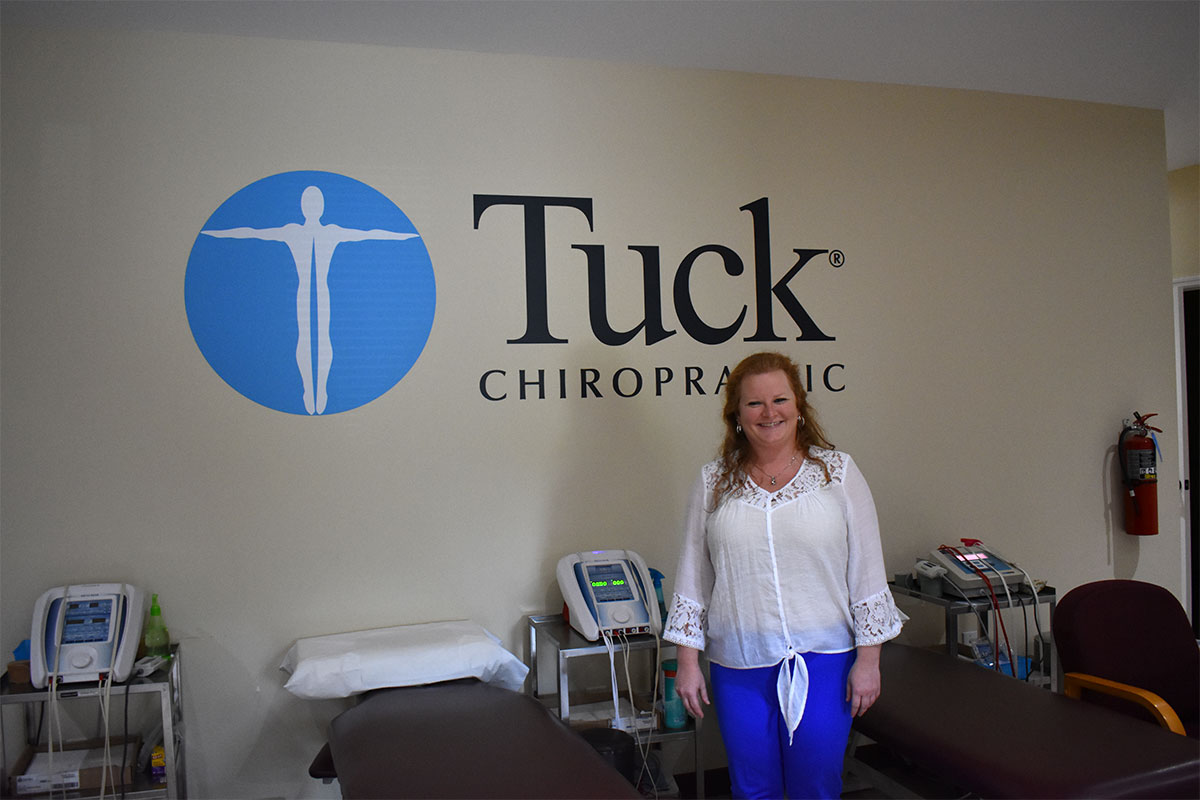
It’s always interesting to hear how people discover their life’s passion. Dr. Katie McKown’s story is no different. It happened at the age of seventeen. What began with not-so-great circumstances turned into a passionate career. At seventeen, Dr. McKown was involved in a car accident that resulted in a lot of pain. After going through a few cycles of physical therapy and not finding relief, she visited a chiropractor.
“It really struck a chord with me and made me want to pursue a career that would help people like it helped me,” says McKown.
She has been practicing with Tuck Clinic in Woodlawn for 8 years now and spent time practicing in Michigan and Northern Virginia prior to moving closer to her home of West Virginia. Here, she has built bonds with patients the come into the clinic seeking a better lifestyle or relief from persistent pain.
A Better Lifestyle for All Ages
“Even though we should often be the first step to treat pain, we are often the last resort. But when people come in and find relief, they are so appreciative,” says Dr. McKown. “We are able to provide another option for them.”
While Dr. McKown enjoys helping anyone in need, it’s the little ones that stand out in her mind the most.
“My favorite thing about being a chiropractor is the patients – especially the little ones that actually get excited to get their adjustment,” she says with a smile. She adds that even if their experience doesn’t necessarily lead them to become chiropractors, you know you make an impact when they tell their friends about it and they come in.
It’s a great day at the office when you get to make someone’s day better. She often sees people that leave the clinic feeling better both physically and mentally. Because the clinic is in a very rural area, for some people, visiting the Woodlawn clinic is part of the socialization they enjoy for that day. In fact, some patients have joked that they wish they could come in daily to start their day off right!
More Than a Back Cracker
Dr. Katie McKown takes time with her patients to provide the relief they need and help them get back to the lifestyle they want. The fact that many people come into her office thinking they’ll need back surgery or will never find relief and two weeks to a month later their pain is substantially lower is all she needs to keep getting up and coming into the office each morning. She often finds the feeling is mutual.
“It’s always nice to hear when my patients, especially the kids who ask to come and see me, that they can find relief from our care,” says McKown.
She adds that it’s so important to her to educate her patients that the doctors at Tuck Clinic do more than just crack your lower back; “They don’t realize how many people respond to care-and in so many ways-It’s nice for them to see the breadth of what we can really help them with. There are so many ways we can help.”
Coming from West Virginia, Dr. McKown is a pretty big football fan both in her clinic and beyond. Two minutes stepping through her office door, you can probably guess who her favorite team is, and she’s not afraid to admit it in the middle of Hokie territory. In the NFL, she roots for the Chicago Bears. But watching sports isn’t her only past time. She likes participating in them too! In fact, at the time we sat down to talk to her, she was gearing up for her very first golfing lesson.
About the Writer
tech
Shooting Pains In Your Legs? Sciatica Treatment Could Help

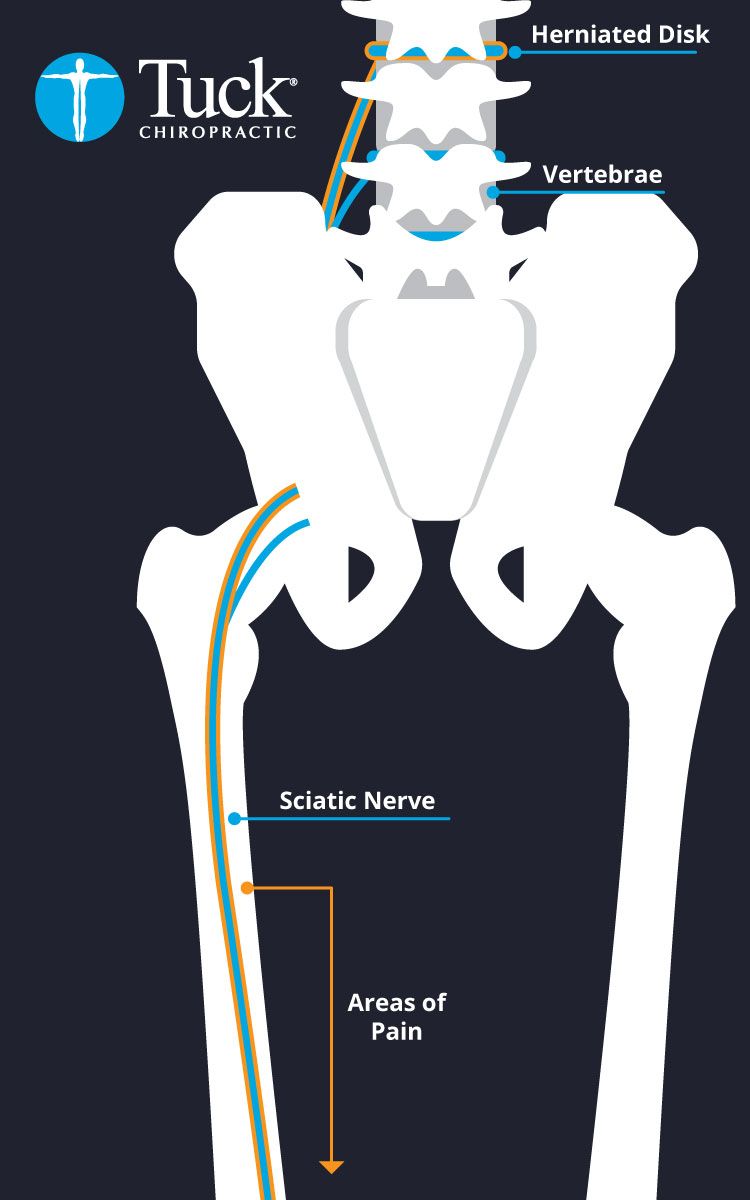
Much like the way damage to a plant’s stalk can cause damage to the whole plant, damage to your spine – specifically your lower spine – can incite pain in other areas of the body. A common example of these coexisting issues is the disorder of the sciatic nerve, known as sciatica. As one of the longest and largest nerves in the body, the sciatic nerve is protected by the spine until it reaches the lower back. At this point, it begins to split to either side of the body and branch down through your buttocks, legs, and feet. It serves as one of the main sources of sensation in your legs and therefore, when damaged, can be very detrimental to your mobility and comfort.
As you can imagine, pressure, inflammation, or slipped disks in the lower spine can greatly affect the sensations passing through this nerve and often brings great discomfort. In fact, it has been reported that 5 to 10 percent of patients with lower back pain also suffer from sciatica. Sciatica problems can express itself anywhere between the buttocks and the feet, often as tingling, numbness, or shooting pains. While the root cause is often from problems in the lower back, long periods of sitting or sudden stress to this area of the body can also trigger these sensations. The worst part about sciatica is that it is often a progressive problem, starting with light sensation and worsening over time if it is not treated.
Find Relief: Chiropractic Treatments for Sciatica
Because of the close connection between the sciatic nerve and the spine, chiropractors have been treating sciatica regularly in congruence with lower back pain to find positive results in relieving pain and can often be coupled with massage therapy or physical therapy for improved results. If you’re experiencing lower back problems or early signs of sciatica, it’s important to discuss your symptoms with your chiropractor so that they can get to the root of the cause and collaborate with you on a care plan that’s right for your lifestyle. Proper diagnosis of sciatica is essential because both physical symptoms and personal lifestyle must come into play.
We take a complete history of your health to find the root cause of the problem. If you suffer from nerve damage due to disease or illness, suffer from mental stress, or live a sedentary lifestyle, you could have an increased risk of suffering from sciatica. By identifying possible sources, discussing the frequency and severity of symptoms, and provide a physical exam, we will be able to assemble the right treatment for you. Depending on your personal needs, we can then provide the right mix of heat therapies, electrical stimulation therapy, and manipulation of the lumbar spine to try to reduce stress on your lower back, and therefore inflammation that is inciting pain. Chiropractors are also trained to recognize problems that could be beyond being manageable with adjustments. At this point, we can make expert recommendations to physicians that can help.
Take Charge: At Home Treatment and Prevention Techniques
The healing process doesn’t stop when you leave the clinic. Tuck Clinic tries to fully equip patients with expectations on their healing, tips on managing pain and preventing worsening pain, and exercises to help strengthen the parts of the body that could be causing the inflammation around the nerve. With therapeutic exercises and following a few daily reminders, you can take control of how your pain relief progresses. Remembering things like sitting with your legs uncrossed, maintaining posture, avoiding being too sedentary, and eating can be key factors in helping you return to a happy healthy lifestyle!
About the Writer
tech
Progress For the Opioid Epidemic Will Come From Progressive Care

While methods of chiropractic care can vary, chiropractors have a singular focus on relieving pain through a progressive treatment plan. Ultimately, the goal is to administer adjustments to the spine and musculoskeletal system to relieve tension and realign areas of the body that are causing pain. Over time, the hope is that the relief will progress from less pain to no pain. The best thing about this method of pain relief is that the treatment plan is void of medications.
We also happen to be in the business of prevention. Through maintenance and wellness care that we provide to our patients, they can continue to live a pain-free lifestyle. Could this part of the solution in preventing opioid addiction, too? We think so. It seems that, more and more, the wider medical community is beginning to think so too.
Spreading the Word About Patient-Centered Care
Chiropractors around the world have spent their careers providing a fantastic alternative to opioid pain relievers. Our method of patient-centered care is focused on helping the patient primarily with their pain, as well as looking at their well-being as a whole. As the opioid epidemic in the United States worsens, we along with other healthcare professionals, are working harder than ever to build a bridge with doctors from all backgrounds to educate them and the public on the value of providing relief through non-pharmacological means. On a national scale, the American Chiropractic Association has rejuvenated their brand with a focus on being “Hands Down Better™”. Including communicating and collaborating with the healthcare industry at large.
In April 2017, the American College of Physicians shared research focusing on noninvasive treatments for acute, subacute, and chronic low back pain as a clinical practice guideline for physicians. The goal was to provide evidence-based recommendations for noninvasive treatment of low back pain. Recommendations included urging clinicians and patients to choose non-pharmacologic treatment such as heat treatment, massage, acupuncture, and spinal manipulation as the first line of treatment. Furthermore, they specifically claim: “Clinicians should only consider using opioids as an option in patients who have failed the aforementioned treatments and only if the potential benefits outweigh the risks…”
The Proof is in the Research
As more dollars are being distributed to back funding for research more evidence has alluded to the importance of chiropractic as a solution for pain. Research has focused on the effectiveness of spinal manipulation therapy as well as broadened techniques such as acupuncture, electrical stimulation therapy, and exercise education – all techniques the fall under the care that chiropractors can provide to patients seeking relief.
Harvard Medical School frames chiropractic as “a system of therapy focused on the structure of the body” and goes on to note that beyond adjustments, chiropractors can deliver treatments including manual or manipulative therapies, postural and exercise education, and ergonomic training while working in conjunction with primary care doctors, pain experts, and surgeons. They cite the American College of Physicians’ research report noted above as further proof of chiropractic’s effectiveness for treating pain.
In addition, the Palmer Center for Chiropractic Research has worked at length to build a body of research that demonstrates the strongest evidence to-date that chiropractic care is an effective way to treat pain and can easily be integrated with the usual medical care (UMC) plan of an individual. In 2017 alone, they published 21 publications and 17 peer-reviewed journals regarding various research topics surrounding chiropractic care in relation to pain and the integration of chiropractic into a greater medical treatment of pain.
The results provided one clear direction: utilizing a team-based case management model for patient-centered care demonstrates superior results. In one study, patients who received chiropractic care concurrently or collaboratively with medical care reported significantly better perceived low back pain improvement, overall improvement of health, and greater satisfaction with their care. To add to these results, a study focused on the process of collaborative care itself showed that clinicians and chiropractors found that the team-based approach enhanced information flow, social support, and interaction between patients and collaborating provider, ending in enhanced results for the patient.
In the wake of the increasing concern surrounding opioid addiction and these new research findings, the Food and Drug Administration has begun to recommend chiropractic care as part of pain management programs. Their statement encourages healthcare providers to be knowledgeable about the wider range of therapies available to patients in pain and should be used as part of a multidisciplinary approach to pain when appropriate.
While there is still a long road to travel towards recovery from the epidemic, the chiropractic disciplinary and healthcare industry at large are now taking their strides together.
About the Writer
tech
You may also be interested in...

Why Movement is Medicine for Back Pain
Your spine is designed to move. Every joint, disc, muscle, and nerve depends on motion to stay healthy. When movement decreases, the… Read More

5 Easy Habits for a Healthier Spine This New Year
The New Year is a great time to build overall healthier habits, but your spine is the backbone of everything you do. When… Read More

Different Types of Headaches, and How Chiropractic Care Can Help
Headaches are one of the most common health complaints, affecting millions of people every day; however, not all headaches are created equal.… Read More

What Does a Healthy Spine Feel and Look Like?
Your spine is the backbone of your overall health—literally. It supports your body, protects your nervous system, and helps you move with… Read More