
Guide to Carpal Tunnel Syndrome: Tips and Advice for Athletes and Office Workers
 Carpal tunnel syndrome, which can be painful and debilitating, affects people from all walks of life and lines of work. It can be caused by repetitive motions that strain the wrists, such as weightlifting or even typing with badly positioned hands.
It’s estimated that carpal tunnel syndrome can cost a worker around $30,000 in medical bills and sick leave.
What Is Carpal Tunnel Syndrome?
The carpal tunnel is a narrow conduit in your wrist through which nine flexor tendons and the median nerve enter your hand.
Carpal tunnel syndrome (CTS) manifests as pain, numbing, and tingling in parts of the hand. It’s caused by pressure on the median nerve due to swelling or other changes in the carpal tunnel. Some sufferers of CTS are born with small carpal tunnels, but it also may be caused by repetitive stress or a wide range of medical conditions.
Sufferers of CTS are more commonly women and people between the ages of 30 and 60. Some common medical conditions associated with CTS include fractures in wrist bones, arthritis, cysts or tumors in the wrist, infection, obesity, and diabetes.
What does carpal tunnel syndrome feel like? Primary signs and symptoms are numbness and tingling in the palm and fingers, general weakness or difficulty gripping, difficulty with fine motor skills, and pain in the wrists, hands, or all the way to the elbow. Some patients may experience pain at night, which can be a sign of significant CTS.
Preventing Carpal Tunnel Syndrome
Whether your CTS is the result of work, or exercise and leisure activities, there are ways to keep CTS from getting worse. Here are a few key strategies.
CTS in the Workplace
If repetitive motions at work have caused your carpal tunnel syndrome, it may be impossible to abstain from those activities. But there are ways you can reduce the impact of workplace obligations.
Ergonomics, or how you sit, stand, and move at work, can be a major contributing factor to CTS. Here are a few ways to correct your posture and adjust your work environment to lessen symptoms:
- Take frequent breaks to rest and relieve the tension in your wrists and hands.
- Wear splints to keep your wrists in a neutral position.
- Keep your keyboard positioned so your hands are not pointed upward while typing.
- Invest in a cushioned mousepad or wrist pad.
- Sit with good posture at your desk (slouching forward can create bad conditions for typing).
Stretches and Exercises for Athletes
Weightlifters and bodybuilders are particularly prone to developing CTS since repetitive lifting motions can cause damage over time. To prevent CTS, here are a few things to work into your gym routine:
- Keep your wrists in a neutral position during activities like lifting weights — avoid overextension.
- Soak your hands and wrists in warm water before physical activities.
- Stretch your fingers, hands, and wrists before and after physical activities.
- If you are lifting weights, wear adequately padded gloves.
Exercises to Prevent Carpal Tunnel Syndrome
Exercise your hands and wrists for at least five minutes before and after work or working out, and periodically throughout your shift or workout to decrease pressure on the median nerve:
- With arms extended, make tight fists with your hands then slowly bend your wrists down. Count to five then release.
- Straighten your wrists and relax your fingers. Count to five and then release.
- Extend your arms and flex your hands as if you are doing a handstand. Count to five and then release.
- Repeat these exercises for five minutes, then relax your wrists, hands, and fingers and shake them for a few seconds.
Chiropractic Care for Carpal Tunnel Syndrome
Surgery is the most commonly recommended treatment for carpal tunnel syndrome. According to the U.S. Centers for Disease Control and Prevention, between 300,000 and 500,000 people undergo surgery to correct CTS each year.
But chiropractic care is a less invasive alternative that may provide significant relief without surgery. For some patients, surgery is not an option because of other health issues. Others may simply desire to pursue less invasive treatment first. A doctor of chiropractic can always provide a referral if necessary or desired.
A study published in the Journal of Manipulative and Physiological Therapeutics found that chiropractic care was as successful at improving function and comfort in CTS patients as conservative traditional medical treatment. Another pilot study published in the Journal of Chiropractic Medicine had similar results, with significant improvements in function and the severity of symptoms.
Chiropractors utilize a variety of techniques to address CTS, including joint manipulation and mobilization, soft-tissue mobilization, and more. Your doctor of chiropractic can also advise you on proper workplace ergonomics and posture.
Carpal tunnel syndrome doesn’t have to impede your ability to work or exercise. Please contact us if you’d like more information about CTS or to schedule a consultation. In addition to the tips above, our doctors can work with you to successfully reduce your symptoms and help prevent future pain.
About the Writer
tech
Could Better Shoes Help My Back Pain?

High-heeled shoes contribute to back pain by changing the body’s natural equilibrium, putting extra stress on the calves and lower back.
The Right Shoes Can Make a Huge Difference
The feet are the foundation of your body — and of your posture. The way your weight is distributed on your feet while you walk, stand, and run can contribute to knee pain, ankle pain, and lower back pain, as well as painful conditions of the foot such as blisters, bunions, and even stress fractures. In a sort of domino effect, your body forms a “kinetic chain” and how the feet are positioned and supported can positively or negatively impact the rest of your muscles and joints. Providing the right support for your feet with properly fitted or specially made shoes, or foot orthotics can help your posture and thereby your muscles and joints.
Choosing the Right Shoes
How to select the right pair of shoes depends on a lot of factors, such as your average daily physical activity, whether or not you suffer from back pain, or require special support due to shallow arches or another issue. Here are some tips to help you choose the right shoes for your specific needs.
- Don’t Buy Shoes That Need Breaking In. Shoes should be comfortable the first time you try them on. Buying shoes thinking you’ll break them in is a bad idea — you could end up hurting yourself with ill-fitting shoes that never conform to the shape of your feet.
- Measure Your Feet Every Time You Buy Shoes. Shoes should have at least enough space to fit your index finger between your foot and the back of the shoe, which is a more reliable measurement than checking for toe space. You should have your feet measured each time you purchase shoes because the shape and length of your feet can change over time.
- Shop for Shoes at the End of the Day. In the late afternoon and evening your feet are larger due to a buildup of fluid, so shopping at the end of a long day means your shoes won’t be too tight when your feet are worn out.
- Consider the Terrain. Whether you’re buying shoes for exercise or work, keeping your environment in mind can help you purchase the right shoes. For instance, if you’re running on a concrete track or standing on concrete floors for extended periods, choose shoes with extra cushion in the heels.
- Avoid Shoes With No Support. Shoes with flat soles like flip-flops have absolutely no support or cushion and can lead to pain in your arches, heels, or knees. If you need sandals, look for a pair with better arch and heel support, or switch shoes after a while.
- Replace Your Shoes Frequently. Worn out shoes don’t provide the kind of support your feet, ankles, knees, and back require and can contribute to back pain or injury during physical activity. Running shoes can last for approximately 400 miles, or six months for an active runner.
- Avoid Wearing High Heels for Long Periods of Time. High heels throw off your body’s equilibrium, tipping the pelvis forward and increasing the curvature of the back. This artificial interruption in your body’s natural balance can contribute to lower back pain. If you must wear heels for work, look for orthotic inserts and bring a second pair of shoes to switch into whenever possible.
- Choose the Right Shoes for Each Activity. When buying exercise shoes, keep in mind that running shoes are not the same as tennis shoes or basketball shoes. Visit an athletic shoe store with a specialist who is familiar with different kinds of athletic shoes and can guide you to the right purchase for your activity.
Extra Support for Back Pain
For those who suffer from back pain, even supportive shoes that fit well may not meet your individual needs. Foot problems like bunions, plantar fasciitis, pronation (when the ankles roll inward), or supination (when the ankles roll outward), can disrupt your body’s natural balance and cause back pain through chronic misuse of muscles while walking and running.
Specialized footwear or orthotic inserts can provide extra support and remove strain that might be contributing to your back pain. When first using inserts, you may notice an increase in tenderness in the feet, which usually subsides. But orthotics, which are even available for high heels, can provide a noninvasive, conservative treatment for lower back pain.
Prescription inserts are custom-made orthotics fitted by a podiatrist or foot specialist. Your chiropractor can also help you with custom orthotics by doing a custom fitting and by ordering the appropriate orthotic for you. Custom inserts may be a good solution if your foot or ankle problems are severe. While prescription orthotics are costly, insurance often helps pay for them and they are made with durable, high-quality materials.
Over-the-counter inserts, which can be purchased at retail stores, often are a less costly way to find relief. There are a variety of inserts on the market that address common needs like arch support.
Depending on Your Feet
Back pain is the second most common reason people see a doctor, and the single most common reason people see a chiropractor. But far too many people don’t pay enough attention when shopping for shoes. Whether you’re working or exercising, your body depends on your feet to support the balance of your posture and your gait. Choosing the right shoes can make a huge difference in your overall balance and contribute to fewer injuries and less pain.
If you have any questions or would like to learn more about how the shoes you wear can affect your posture, please don’t hesitate to contact us. We can also recommend a podiatrist to patients who need extra care for their feet and gait.
Image Copyright: bialasiewicz / 123RF Stock Photo
About the Writer
tech
How Do We Know How Healthcare Is Performing?

We’re here to help.
Healthcare is a hot topic right now on the political landscape, especially as election season accelerates and gains traction. With all the talk of healthcare it does beg the question, how does the healthcare industry collectively and objectively assess its current performance and areas for improvement? The best way to tackle this important topic is to ask those who matter most in the healthcare system—patients themselves.
The Consumer Assessment of Healthcare Providers and Systems (CAHPS) agenda is a program of the U.S. Agency for Healthcare Research and Quality designed to collect data related to patients’ experience with individual healthcare providers. Participation in CAHPS is mandatory for hospitals, home health groups, and surgical units, amongst other healthcare services. At this time chiropractic practices are not required to participate in CAHPS. Tuck Chiropractic Clinic has elected to participate in CAHPS as one of the first chiropractic practices to do so. We hope to help pioneer this program in such a way that other practices see the tremendous value and join us in creating benchmarks to benefit each practice individually and chiropractic care collectively.
In order to collect this important data, we are partnering with The Jackson Group, a firm that is dedicated to improving companies through survey, consulting, and multimedia services. The Jackson Group has expertise with CAHPS specifically. With their help, we have worked to create a CAHPS survey specific to chiropractic care, based on the guidelines provided by the U.S. Agency for Healthcare Research and Quality. Using the survey we established an independent group to contact a percentage of our patients to get objective data.
Our voluntary participation in the CAHPS program gives us direct feedback from our patients about their experience with our practices. That information allows us to continuously improve our delivery of care to our patients through being more consistent in our procedures, to improve our communication with each other and our patients, and to help our patients meet their desired health outcomes in each of our 11 locations. As Dr. Ray Tuck explained, “Having high patient satisfaction is very important to us. Therefore, getting feedback from them is paramount to improving patient care.”
The information acquired through CAHPS will not only benefit Tuck Chiropractic Clinic. The data acquired is also compiled into a database that creates regional and national benchmarks for care, allowing us to assess how we measure up to other healthcare providers. However, our goal is not to simply “measure up”, we want to be ahead of the curve and thought leaders for excellence in chiropractic care and healthcare in general. Participating in the CAHPS program is a great step in that direction and solidifying the very best in chiropractic care for our patients but also for ensuring the highest of standards for chiropractic care nationally.
We are excited about this new initiative for Tuck Chiropractic Clinic. We expect great things as we objectively assess our performance as a healthcare company and work to ensure great patient outcomes and high patient satisfaction and ultimately make sure that we leave a positive impact on each life we touch.
About the Writer
tech
Is It Bad to Crack Your Back?

Having a friend crack your back may provide some temporary relief, but it won’t fix the underlying issue causing pain and can result in injury.
There are varying opinions about whether people should crack their knuckles, back, or other joints in the body. Many people wonder about the cracking noise that occurs during a chiropractic adjustment, and some claim that having a friend apply force to “crack their back” can produce the same effect. But what actually happens when your back cracks? And how is it different than treatment from a chiropractor? Let’s take a look.
What Causes Your Back to Crack?
A recent MRI study published in April 2015 in the journal PLOS ONE illustrates what happens when you crack your fingers: Your joints are separated by force, forming a cavity that causes the cracking noise we are familiar with.
When your back cracks, the same principle applies — gases between the joints of the spine form a cavitation that causes a change in pressure, producing a popping noise.
Back cracking is perfectly normal. Gases and liquids surround the joints of the spine, and as you move throughout the day they move too. When pressure is applied, such as during a chiropractic adjustment, these liquids and gases rapidly move and form cavities that produce the popping noise. The joints and bones themselves are not affected by the cavities created.
Sometimes the back cracks as a result of ligaments tightening or shifting, but it also might be the result of a more serious condition, such as arthritis — rough bone edges may rub together because of the deterioration of smooth cartilage.
How Are Chiropractic Adjustments Different?
During chiropractic adjustment, cracking or popping noises typically occur as a natural result of specific manipulation applied to the joint, including changes in pressure that occur when your joints are being moved.
Having a friend crack your back and seeing a chiropractor are very different. Having an untrained person apply force that creates a cracking sound may provide some sort of temporary relief, but it also comes with a greater risk of injury. Only a trained, experienced professional like a chiropractor can manipulate specific joints and adjust them properly to provide lasting relief and appropriate treatment. Chiropractors can assess exactly where a joint is malfunctioning or causing pain and can deliver adjustments with specific, targeted intent that restores function and mobility to the joint.
There is a much higher chance that an untrained amateur could accidentally injure your back. Chiropractors are highly trained, and chiropractic manipulation is a very specific procedure. Dr. Ray Tuck, D.C., summed it up:
Anyone can produce a popping sound from a person’s back. A doctor of chiropractic can determine where an adjustment to a specific joint needs to be performed.
Doctors of chiropractic are trained to perform adjustments on patients with lower back pain and other musculoskeletal disorders. If you’re interested in learning more about the benefits of chiropractic adjustment, please contact us with any questions or to schedule a consultation.
Image Copyright: pressmaster / 123RF Stock Photo
About the Writer
tech
Back-to-School Wellness Guide

To avoid back pain, choose a backpack that isn’t bigger than your child’s torso and has wide, padded straps.
From unhealthy school lunches to heavy backpacks, kids and parents face a variety of challenges to maintaining health and wellness during the school year. As summer draws to a close and classes begin, this back-to-school wellness guide can help you and your children navigate these challenges.
Lighten the Load
On the first day of school each year, kids comes home with new classmates, new teachers — and a heavier backpack. A heavy load can cause chronic back pain in children, so to avoid side-effects from weighty textbooks, encourage your children to leave their books in lockers or at home whenever possible to prevent back strain.
Talk to your child about using both straps to carry the backpack, since putting all the weight on one side can contribute to pain in the back, neck or shoulder. Remind your child to maintain proper posture while wearing their backpack: Slouching or dropping the head will increase pressure on the cervical spine.
It also is important to choose the right backpack. Pick one that is no larger than the child’s torso. It should have a padded back, and straps that are wide, padded, and adjustable. Multiple compartments can help balance the load.
Basic Precautions Can Help Prevent Illnesses
When they return to school, kids are exposed to a wide range of health hazards, such as colds, the flu, and lice. Make sure your child follows some basic principles to reduce the chance of getting sick at school:
- Avoid touching eyes, nose, and mouth (this is the primary way diseases are spread)
- Drink plenty of water
- Cover the mouth and nose while coughing and sneezing
- Wash hands with soap and water frequently throughout the day, and tuck hand sanitizer in the backpack
- Be careful not to share brushes, combs or hats, which can spread lice, an unpleasant reality in schools
While it may be tempting to send a sick child to school, it is better to wait until they have been symptom-free for 24 hours before letting them return. Teachers and other parents will appreciate your precautions to limit the spread of the sickness.
The classroom is the first place your child may notice vision problems. Be aware of any increase in difficulty completing assignments — it may be vision-related.
Prepare Lunches And Snacks Ahead
School lunches, which often are high in salt, fat, and sugar, are considered a contributing factor to increasing childhood obesity rates. While buying lunch at school is always available for busy weeks and kids in need, with a bit of preparation and planning, you can provide your children with nourishing lunches to bring to school every day of the week.
Packing healthful lunches doesn’t have to be an insurmountable task. Preparing fruits, veggies, healthy snacks, and meals ahead of time saves time and effort later, making your morning routine a breeze. Create a master list of tried-and-true favorites and the groceries needed to prepare them. Set aside an afternoon or evening once or twice a week to plan and prepare meals for the week. Try creating a meal plan and breaking down the tasks needed to fix each meal.
The same principles can be applied to keeping a stock of after-school snacks. Children often come home from school ravenous, with dinner several hours away. For busy kids, junk food provides inadequate fuel for studying or physical activity.
Resist the urge to buy junk food and prepare quick, easy snacks instead. Some easy foods to grab and go include fresh fruits and vegetables, high-fiber granola bars that are low in sugar, and protein-rich foods like hard-boiled eggs, peanut butter, and hummus.
For more ideas about healthy options that can help keep up energy and reduce stress, check out this recent blog post.
Start on the Right Foot
Properly fitting shoes can affect your child’s posture: Foot problems which typically first appear in childhood, can contribute to back pain. Check for calluses, excessively flat feet, and other concerns to ensure proper support and fit. Small children can’t always communicate if shoes fit improperly, so look for shoes with room for growth, plenty of flexibility, and breathable fabrics.
Find a Balance Between School And Physical Activity
Homework and studying are an unavoidable part of going back to school, but helping your children achieve a balance between work and physical activity gives them the freedom to be happier and healthier.
The World Health Organization recommends kids spend at least 60 minutes a day doing physical activities. In addition to the physical benefits of exercise, research suggests that regular exercise can ward off anxiety and depression in children, increase self-esteem, and improve academic performance and quality of sleep.
Your children exercise their brains all day in school and while doing homework, so exercising their bodies provides a needed balance. Make a plan to keep track of goals for completing homework and spending time on the move.
Organized sports can provide lessons in teamwork, social skills and build character traits like perseverance. But for younger children, unstructured playtime is a fast-disappearing, yet important aspect of learning and development.
Whatever form of exercise your children choose, aim for at least an hour a day of physical activity.
Refocus Your Family Routine
Returning to school is all about new beginnings and it’s a great opportunity to reintroduce structure to your family life. Summer is often a time of relaxation and recuperation from the stress of a long school year, but if the first day of school catches you unprepared you’ll be struggling to keep up with everyone’s different schedules.
Try making a master schedule and calendar, particularly if you’re juggling students in different levels of school, with different events. You’ll know at a glance if you can supervise a school field trip or make it to the soccer game.
Avoid morning chaos by handling chores like laundry and meal planning the night before. Handle homework reminders at least an hour before bedtime to avoid excuses. For children anxious about going back to school or attending for the first time, try a practice run going to school in the morning. Another trick is to adopt a school mealtime schedule. Easing unsure children into a new school routine can calm fears and make school an enjoyable experience.
We hope this guide will help you and your family stay healthy and happy as the new school year fast approaches. If you have any questions or would like more information about back-to-school health and wellness, please don’t hesitate to contact us.
Image Copyright: rimdream / 123RF Stock Photo
About the Writer
tech
Chiropractic May Help Elderly Patients Avoid Falls
 An overview of current research, published in the Journal of the Canadian Chiropractic Association, shows that chiropractic care may have a role in helping prevent falls in elderly patients who suffer from mechanical neck pain or dizziness.
Elderly patients often experience nonspecific dizziness and chronic neck pain at the same time. Both of these symptoms are risk factors for falls, the leading cause of fatal and nonfatal injuries in adults 65 and older. Falls can result in increased morbidity and complications. In the United States, one in three elders experiences a fall each year.
Dizziness tends to increase with age. The central nervous system receives signals from the body to provide a sense of balance, and several of those signals are from muscles associated with the cervical spine. While the cause of nonspecific dizziness is not known, many researchers suggest it is caused by age-related deterioration of sensory inputs that assist with balance.
When neck muscles experience pain or dysfunction, a connection is disrupted and the brain receives mixed signals from different parts of the body, which can cause dizziness, according to current research. Dysfunction in the muscles of the cervical spine is more likely to be associated with disrupted balance, vertigo, and nonspecific dizziness, more so than dysfunction of the muscles of the lumbar spine.
Whether neck pain is the result of physical trauma or muscular dysfunction, it is associated with dizziness at high rates, along with back pain.
How Chiropractic Can Help
Spinal manipulation is a common technique used by chiropractors to treat neck pain. A study published in 2014 in Spine found that spinal manipulation combined with home exercise was an effective treatment for neck pain in elderly patients.
For elderly patients with dizziness with no known cause, traditional medical treatments are limited. While more research is needed, several studies on the efficacy of spinal manipulation in the treatment of neck pain show consistent improvement in balance and symptoms of dizziness as well.
Chiropractic is a safe, conservative treatment for dizziness and neck pain in elderly patients. To alleviate symptoms, doctors of chiropractic can provide a treatment plan that combines several therapies, such as home exercise, therapeutic massage, physiotherapy modalities, and spinal manipulation. Even though conservative measures often yield great results, Chiropractors often will collaborate with other health care providers to help facilitate a resolution of symptoms for patients as well.
The literature review suggests that more rigorous, large-scale studies should be conducted on the effectiveness of spinal manipulation as a treatment for dizziness. This is especially necessary because of the cost, rate of disability, and morbidity associated with falls in adults 65 and older.
About the Writer
tech
Guide to Sleeping Positions

People spend roughly one-third of their lives sleeping. A good night’s sleep is a substantial factor in the quality of your overall health, and inadequate sleep can wreak havoc on you mentally and physically. The position you sleep in can have a huge impact on the quality of your sleep.
So, what’s the best position for sleeping? The answer varies depending on individual health concerns such as back pain, neck pain, and acid reflux, to name a few. It also depends on which position is the most comfortable for you. Above all, you should avoid sleeping in any position that causes stiffness or pain.
Pros and Cons of Common Sleeping Positions
1) Sleeping on Your Back
Sleeping on your back is one of the most highly recommended sleeping positions.
Pros:
- Acid reflux sufferers can avoid nighttime heartburn in this position
- Keeps the spine in a neutral, comfortable position
- Some back pain patients find relief sleeping on their backs
Cons:
- Those who snore may snore louder in this position
Tip: Sleeping on your back may be more comfortable with a pillow under your knees.
2) Sleeping on Your Side
If sleeping on your back is uncomfortable or painful, sleeping on your side is also a highly recommended position.
Pros:
- Reduces snoring
- Eases neck pain and back pain
- Reduces acid reflux if you sleep on your left side
- During pregnancy, sleeping on your side can improve blood flow and provide more comfort than sleeping on the back or stomach
Cons:
- Side sleeping may increase the chance of developing wrinkles and sagging skin on the side you favor
Tip: Try a pillow between your knees, under your waist or under your neck in this position.
3) Sleeping in Fetal Position
About 40 percent of people sleep in some variety of the fetal position, on their sides with legs curled up toward the chest. While fetal position may feel comfortable for some sleepers, it is not a recommended sleeping posture.
Pros:
- Often a comforting position
Cons:
- Restricts expansion of the diaphragm, which leads to shallow breathing
- Can increase pain from arthritis
- Can causes tension, aches, and pains
Tip: If fetal position is your normal sleeping posture, try stretching your legs out a bit into side sleeping instead.
4) Sleeping on Your Stomach
Pros:
- For snorers, sleeping on your stomach provides relief by opening the airways
Cons:
- Causes pressure on the joints, muscles, and spine and can lead to neck and back pain
- Difficult to avoid putting pressure on the spine
- Spending hours with your head turned to the side is bad for the cervical spine and can cause nerve pain
Tip: If you must sleep on your stomach, aim for a very thin pillow or sleep without a pillow to avoid straining your neck.
Choosing the Right Mattress and Pillow
The position you sleep in can influence your quality of sleep, and so can your sleeping equipment.
Choose a mattress that is firm enough to support your body in your ideal sleeping position. A sagging, limp mattress can certainly lead to a lackluster night’s sleep. Since the life of a mattress is typically five to seven years, periodically replace your mattress if possible. Additionally, flipping your mattress every few months can help it stay firm longer.
Pillows also play an important role in your rest. Depending on your sleeping position, you may need a fluffier pillow or a thinner one. Regardless of which you choose, remember to consider how much support you will need for the head and neck in each sleeping posture.
For instance, when you sleep on your side, your head needs plenty of support from a thicker, firm pillow so your neck doesn’t end up at an awkward angle. When sleeping on your back, a fluffy pillow keeps your head and neck supported without strain. Ergonomic pillows tend to be firm and shaped specifically to relieve pain from lack of support while sleeping.
If you’re not getting adequate sleep on a consistent basis, or you’re not sure which sleeping position is ideal for you, a doctor of chiropractic can guide you to the best ergonomic sleeping position for your health concerns.
Image Copyright: imagehitasia / 123RF Stock Photo
About the Writer
tech
Study: Manual Therapy Changes Processing of Pain
 A study published in the Journal of Manipulative and Physiological Therapeutics in October 2014 used functional magnetic resonance imaging (fMRI) to evaluate how the brain reacts to spinal manipulation used by chiropractors. Brain scans revealed that spinal manipulation and other types of manual therapy have an immediate effect on functional connectivity between regions of the brain that are responsible for processing pain.
Previous research has established a connection between neurophysical changes in regional brain communication and manual therapy. Many patients seek chiropractic care for pain relief, and multiple studies testify that chiropractic treatment relieves pain in neck pain patients, lower back pain patients, and others.
This study, conducted by researchers at the University of Florida, suggests that increases in functional connectivity or brain communication after manual therapy underlie pain relief.
Functional Connectivity and Pain Processing
Functional connectivity (FC) is defined as communication between regions of the brain, and in the case of this study, refers to communication between the pain-processing regions of the brain.
There are several areas of the brain associated with processing and modulating pain, including the thalamus, primary and secondary somatosensory, cingulate, and insular cortices. These regions are referred to together as the pain processing network. Activity in the PPN is part of pain recognition, but it also includes the interaction between the PPN and other areas of the brain.
Study Methodology
The researchers recruited participants, 24 of whom (17 men and 7 women) completed exercises designed to induce lower back pain. They were separated into three groups, each of which was treated with one form of manual therapy — either spinal manipulation, therapeutic touch, or spinal mobilization.
Participants were measured for pain intensity, sensitivity, and underwent an fMRI 48 hours after the pain-inducing protocol. They were randomized to one of the three treatment groups and then received the same measurements after treatment. All manual and manipulative therapies were administered by a physical therapist or chiropractor, using a standardized set of techniques.
Before and after undergoing their assigned treatment, participants were measured for changes in functional connectivity (FC) between regions of the brain that process and respond to pain. Functional MRIs revealed changes in FC between several regions of the brain after treatment. Several of these changes in connectivity between brain regions were shared among patients from all three of the treatment groups.
Manual Therapy, Functional Connectivity, and Pain Relief
Manual therapy consists of a variety of physical rehabilitation techniques, including spinal manipulation, spinal mobilization, therapeutic touch, tissue massage, and other techniques. According to the American Chiropractic Association, manual therapies are the most common treatment administered by chiropractors.
Researchers examined activity in the pain processing network and also how it reacted with other areas of the brain after treatment. Results found clinically significant changes in functional connectivity between several areas of the brain that appeared to be directly related to manual therapy.
Changes were also recorded in pain intensity and pain sensitivity. All three groups reported similar changes in pain intensity, but no changes were found in pain sensitivity.
These results may indicate that after manual therapy, functional changes are an underlying mechanism of pain relief.
More Research Needed
This study is unique because it includes more precise measurement than previous studies, including fMRIs of patients in a resting state before treatment.
Due to a lack of a control group that received no treatment — as well as the relatively small sample size — more research is needed to confirm the association between manual therapy and increased functional connectivity. It also suggests a future study on the effects and changes of MT on patients with chronic pain, since these results are only applicable to patients with acute pain.
About the Writer
tech
Study: Chiropractic Increases Soccer Players' Kicking Speed

A pilot study published in January 2015 in the journal Chiropractic and Manual Therapies found that lumbar spine manipulation and sacroiliac joint manipulation resulted in increased kicking speed and range of motion.
The study was conducted on 40 South African soccer players without previous injuries. Researchers Kyle Colin Deutschmann, Andrew Douglas Jones, and Charmaine Maria Korporaal of the Durban University of Technology selected subjects with similar physicality (height, weight, etc.) and clinical signs of lumbar spine or sacroiliac joint dysfunction.
The players were separated into four groups and given lumbar spine manipulation, sacroiliac joint (SI joint) manipulation, both lumbar and sacroiliac joint manipulation, and a sham laser intervention. The players did a standardized warm-up before treatment.
Immediately after receiving manipulation or sham treatment, players were measured biomechanically for changes in range of motion and kicking speed, as well as their perception of change in kicking speed.
Subjects who had received lumbar spine manipulation and SI joint manipulation had the most significant increase in range of motion from the lumbar extension, right rotation, and SI joint angular motions. All subjects who received manipulation of any kind had an increased kicking speed and they tended to perceive that their kicking speed had increased. Lumbar spine manipulation caused a significant increase in range of motion in right and left rotation, while SI joint manipulation did not cause significant increases in range of motion.
Muscle and Joint Function’s Role in Performance
Kicking, a fundamental motion in soccer, requires an intricate cooperation of muscles, joints, and ligaments. Range of motion and flexion in joints of the lumbar spine and the sacroiliac joint are vital to the instep kicking motion. Players must deliver maximum power each time they kick, which means the joints and muscles must be fully functional at all times.
When spinal joints do not function as they should, it has negative effects on the function of surrounding muscles and tissues as well as the rest of the body, making it harder for players to kick. This pilot study highlights the importance of restoring biomechanical balance to the structures of the spine through chiropractic manipulation.
Chiropractic Manipulation’s Effects on Muscle Function Studied
This study is the latest in several studies to examine how chiropractic manipulation affects muscle control and function. Another study recently discovered that chiropractic manipulation increases muscle function, reduces muscle fatigue, and increases the brain’s ability to communicate with muscles. This growing area of chiropractic research sheds light on manipulation as a treatment to improve overall physical function, particularly for athletes.
Due to the small size of the South African pilot study, the results call for more investigation into the effects of manipulation on kicking performance.
About the Writer
tech
5 Ways Good Posture Benefits Your Health and Happiness
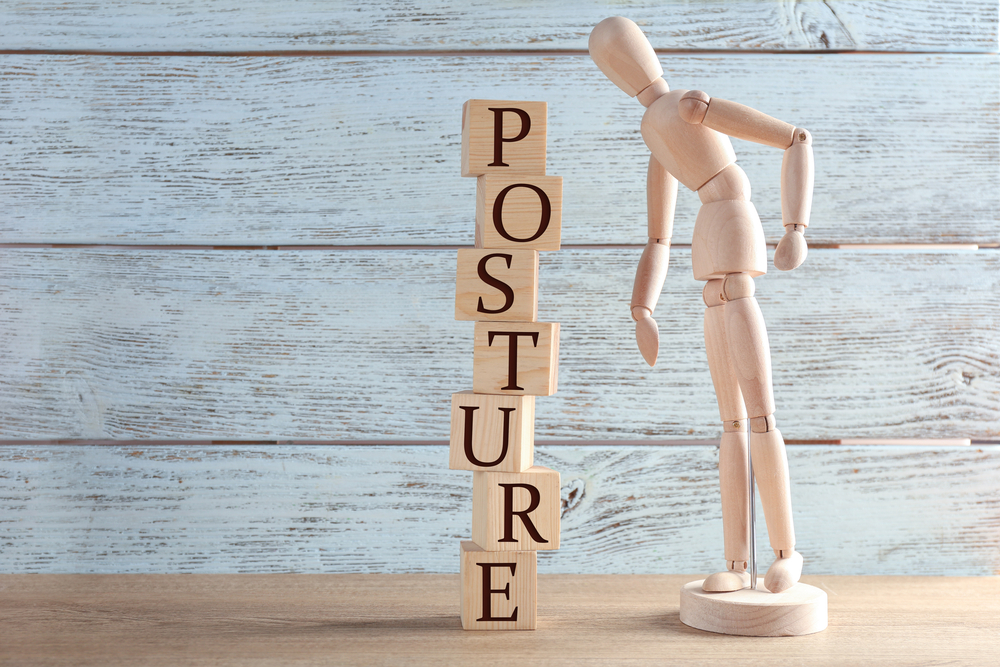 The American Chiropractic Association celebrates Correct Posture Month in May each year. Good posture is essential to maintaining the musculoskeletal balance of our bodies, which prevents harm to joints, ligaments, bones, and muscles. Proper posture can also help prevent muscle fatigue by allowing the muscles to use energy in the most efficient way possible.
That’s not all! Research shows that posture can impact your overall health and happiness in several other important ways.
1) Good posture can improve your self-esteem.
A study conducted by a team of researchers in New Zealand and published in the journal Health Psychology found that when participants sat up straight, they reported feeling strong, enthusiastic, and excited, whereas a slouching posture corresponded with feelings of fear, hostility, and passivity. Researchers also reported that subjects in the upright position maintained a better rate of speech and stronger pulse.
2) Good posture can ease symptoms of depression and increase positive thoughts.
Professor Eric Peper, a researcher at San Francisco State University has studied the connection between posture and mood. In one of Peper’s experiments, participants reported that upright posture naturally led to more positive thoughts. His research, as well as previous studies conducted by other researchers, point to a mind-body relationship that runs both ways: bad posture can lead to increased feelings of depression, while good posture has the potential to increase positive thoughts and lift your mood.
3) Good posture can increase feelings of power, self-control, and confidence.
Researchers from Columbia and Harvard universities conducted a study on posture and found that closed body postures, such as slouching inward, led to higher levels of the stress hormone cortisol compared to expanded body postures. Participants with expanded body postures reported feeling more powerful and confident. An assessment of desire to take risks also found that open body postures made participants feel more inclined to take risks.
4) Good posture can reduce back and neck pain.
It’s clear that good posture has some powerful mental and emotional effects, but good posture can also help reduce back and neck pain. Bad posture can lead to strain on the joints and ligaments, as well as muscle soreness. Over time, chronic bad posture can cause premature wearing of the spinal structures, as well as secondary problems like headaches. Good posture helps to maintain balance and support for all areas of the body.
5) Good posture can improve oxygen intake by as much as 30 percent.
Besides causing damage to the structures of the body, bad posture can also reduce your ability to intake oxygen. Author and physician Jacob Teitelbaum recommends sitting up straight with an expanded chest, which can increase oxygen intake by as much as 30 percent. The increase in the amount of airflow provided by good posture provides more oxygen to the brain and muscles, giving your body an overall energy boost.
How Can You Improve Your Posture?
With all the evidence pointing to the benefits of good posture, you may be wondering about the best way to improve yours. This May, start making posture a priority with these guidelines for better sitting and standing habits — habits that may help you feel better physically and emotionally.
While standing:
- Be sure your ears, hips, and shoulders are all lined up, and align your feet with your hips and shoulders.
- Keep your knees from locking by bending them slightly and bear your weight on the balls of your feet instead of your heels.
- Engage your core muscles, and roll your shoulders back to avoid slouching.
While sitting:
- Your weight should be evenly distributed between your “sit bones.”
- Don’t cross your legs, and keep your knees level with or slightly higher than your hips.
- In an optimal sitting position, your feet should be flat on the floor.
- While sitting at a desk your shoulders should be relaxed and your arms should be at a right angle, with your forearms parallel to the floor.
With so much of our lives spent either sitting or standing, keeping these tips in mind can go a long way toward improving your posture.
If you have any questions or would like more information about the benefits of good posture or how to improve yours, please don’t hesitate to contact us.
Wishing you a happy and healthy Correct Posture Month, from the team at Tuck Chiropractic Clinic!
About the Writer
tech
You may also be interested in...

Supporting Women Through Every Stage of Life with Chiropractic Care
Supporting Women Through Every Stage of Life Women’s bodies go through many changes over the years. From pregnancy and postpartum recovery, to… Read More

Gardening Without Back Pain: Tips from a Chiropractor
Spring is a great time to get outside and enjoy gardening. But all the bending, lifting, and digging can be really tough… Read More

Spring Into Movement: Easing Back After Winter
After a long winter, it’s very common to feel more stiff, tight, and less mobile than usual. Cold weather, shorter days, and… Read More
Why Movement is Medicine for Back Pain
Your spine is designed to move. Every joint, disc, muscle, and nerve depends on motion to stay healthy. When movement decreases, the… Read More