
7 Ways to Beat Back Pain During Summer Travels

Using a backpack or another bag that distributes weight evenly can lessen the chance of back injury while traveling.
For many people, summer is the time to go on vacation. But, travel often includes cramped conditions and long trips that can be very hard on your back, even if you don’t have a history of back pain.
Here are seven ways to protect your back from pain while traveling by car or airplane this summer:
1) Support Your Lower Back While Driving
Make sure your knees are higher than your hips. If your car seat doesn’t offer adequate lumbar support, a wide variety of seat cushions, pillows, and other supportive products are available to make your trip more comfortable. Even rolling up a towel to create a makeshift cushion between your back and the seat can be effective. Also, make sure you’re not sitting on anything bulky — a wallet, money clip, book, or cell phone — that can throw off your posture and aggravate back pain.
2) Give Yourself Enough Room
A comfortable, roomy, first-class airline seat may be a luxury many people cannot afford, and coach seats are often cramped, restrictive, and offer little support for your back. For greater comfort, while traveling in coach, request an aisle seat that will make it easier for you to get up and move around. If your airline offers special deals on seats with extra legroom, take advantage of them, especially if you’re tall. Keep adequate space for your feet under the seat in front of you, even if this means putting your carry-on bag in the overhead bin.
3) Take Breaks and Move
When traveling by car, stop at rest stops and towns along the way so you can stretch and move around. You can even stretch in the car. Likewise, when traveling by air, try to walk the aisle every 30 minutes, especially if you’re on a long flight. Not on a direct flight? Use layover time to stretch or even take a walk around the terminal, particularly if you have a long flight ahead of you.
4) Pack Light
Opt for rolling luggage and pack as little as possible. At the luggage carousel, hotel, or parking garage, don’t be afraid to ask for help picking up your bags. Always take your time and keep your back straight, lifting with your legs.
For electronics and personal items, pick the smallest bag possible and choose a backpack or a messenger bag worn diagonally across the body. This helps balance the weight on the shoulders, unlike totes and duffel bags that rest on one shoulder and can cause your spine to curve. When using a single-strap bag, switch sides often to spare your back.
5) Pay Attention to Your Posture
If you want your car trip or flight to be a bearable experience, focus on your posture. Try to keep both feet on the floor and sit upright. For air travelers, most airlines offer pillows to passengers. Try tucking one behind your lower back: lumbar support has been shown to improve comfort in healthy patients with lower back pain.
6) Drink Plenty of Water
Air travel dehydrates the body because of the very low humidity levels in pressurized air cabins. Alcohol, coffee, and tea encourage further dehydration, so try to drink water, which will rehydrate the body and help prevent circulatory problems.
7) Don’t Forget the Ice
Bring ice packs in a cooler to relieve pain on the road, and an empty ice bag for air travel (you can request ice from the flight crew). If you ice your back, remember to do so for no longer than 15 minutes at a time and make sure there is a barrier between the ice and your skin.
Enjoy Your Journey!
When it comes to pain-free summer traveling, the journey is just as important as the destination, and these precautions will help prevent pain and allow you to thoroughly enjoy your time away.
If despite your best efforts you come back from vacation with a painful back, we’re here to help. Contact Tuck Chiropractic Clinic to schedule an appointment.
Image by gstockstudio / 123RF Stock Photo.
About the Writer
tech
Flip-Flops and Back Pain: Don't Let Summer Footwear Sideline You
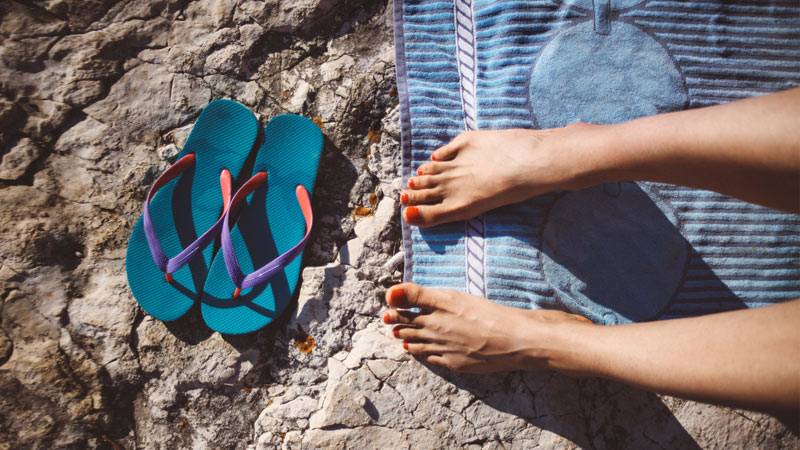
Flip-flops may be a popular choice for the beach, but they’re not the best option if your back is bothering you.
When many people think of summer footwear, they think of sandals, specifically flip-flops.
While flip-flops may be a popular choice for the beach, they’re usually not the best option if you want to maintain a healthy, pain-free back, especially if you already suffer from chronic lower back pain due to arthritis, spondylolisthesis, sciatica, or a previous back injury.
The Problem With Flip-Flops
While standard flip-flops are cool, comfortable, and easy to put on and take off, there are a few important things they do not offer, such as:
- Foot and ankle support
- Cushioning
- Protection against trips and falls
Flip-flops also cause people to walk differently than they would in a regular shoe: To keep them from flying off while walking, you have to pinch or curl your toes and shorten your stride. This puts unusual strain on your feet, hips, and lower back.
Your foot hits the ground differently when you’re wearing flip-flops, putting more pressure on the outside edges and less on the heel. This causes a slight rotation of the lower portion of your leg, which in turn changes the angle of your pelvis and encourages increased torsion in the lower spine. While all these effects may seem small, collectively they can cause stiffness and pain in the lumbar region, pain that may worsen over time.
Falls are one of the most common reasons people visit a doctor complaining of back pain, and you’re somewhat more likely to experience a fall when wearing flip-flops, due to the impact that an altered gait has on your balance and stability.
If You Can’t Live Without Flip-Flops
If flip-flops are a vital part of your summer, here are some tips to minimize pain and injury:
- Don’t live in flip-flops. Never wear them for long walks, shopping, or when you plan to be on your feet for long periods of time.
- The minute your back starts to hurt, slip off the flip-flops, apply ice to the painful area, and change into more supportive shoes. The longer you keep going once pain is present, the more strain you will put on your muscles and joints.
- Take it slow. Avoid running, jumping, and quick sideways movements while wearing flip-flops because of the limited support and shock absorption they offer.
Flip-Flop Alternatives
If you’re ready to forego your flip-flops for other options, here are some to consider:
- Crocs. Although intended for people who work on and around boats, Crocs have several features that are supportive to your back. Their non-slip soles decrease the likelihood of falls, and they tend to have sufficient support and cushioning, and cups that keep your heels in place. Crocs also stay on your feet with no required changes to your natural walking stride, a big benefit for your back.
- Sport sandals and hybrid sneaker-sandals. This type of footwear also offers a viable alternative to flip-flops. They securely hug your feet and feature comfortable straps, toe guards, contoured foot beds, arch supports, and heel cups — all of which provide greater stability for your feet, knees, hips, and lower back.
When choosing summer footwear, be sure to consider all your options, and choose something that not only allows you to keep up with your active agenda but also protects you from winding up on the sidelines nursing an aching back.
If you do experience back pain this summer, contact Tuck Chiropractic Clinic to schedule a consultation. In addition to treatment to help relieve or prevent back pain, our experienced chiropractors can provide expert advice for staying at your best this summer.
About the Writer
tech
To The Person With Back Pain…
 An open letter
To the person with back pain, we see you. We see the way your life has changed. We see the sadness you live with, knowing you have so much more to give but pain holds you back. We know not all days are bad, there are days where it is okay and it’s manageable but there are also days when it’s not.
We see your unique story. Maybe your pain keeps you from the golf course. Maybe your pain keeps you out of the gym. Maybe your pain keeps you in bed when you’d rather be outside hiking and enjoying nature. Maybe your pain keeps you from playing with your grandchildren. Your story may be a different set of circumstances but the common thread is that back pain is keeping you from living life wide open.
We know your pain also comes with fear. You are afraid to try new things because it might cause the pain to flare up. You are afraid to be active, because you may “pay” for it later. You are also afraid that you are only living a shadow of your life. Most, though, you are afraid this is what your norm will have to be for the rest of your life.
We also know a lot of people don’t get it. They think it’s just back pain, failing to realize it is all consuming. They don’t know that it impacts your day-to- day living. They don’t understand that there are many days you silently hurt because that is the reality you have come to know and expect. Others just don’t know that seemingly simple tasks aren’t so simple with back pain.
We don’t want back pain to be all-consuming, confining, restricting, limiting. There is hope for an expressive life that can overcome the pain. There are health teams ready to support you and work with you to rise above the pain—and the fear and limitations. They are ready to hear the ways that back pain has impacted you and hear your dreams for a pain-free life. There are options beyond medication and surgery. It isn’t always easy. With chiropractic, consistent follow-up care, and an integrated health team there is hope.
We know most of the time, within two weeks, our patients with back pain have marked improvement. We know chiropractic care works. We know it can’t be done in a vacuum and must be part of an overall healthy lifestyle. We know chiropractic offers hope that patients with back pain are so desperately seeking.
We see you—your unique story—your unique goals—your unique pain. Now we simply ask, are you ready to come see us?
About the Writer
tech
5 Ways to Keep Lower Back Pain From Hijacking Your Summer

For many of us, summer is a time to shake off the cobwebs and get active. Warm weather beckons us outdoors, and even if a vacation isn’t in the cards, longer days give us more time for outdoor exercise, yard work, and tackling deferred projects.
If lower back pain is threatening to hijack your summer plans, you’re not alone. According to the American Chiropractic Association, as many as four out of five people will experience back pain at some point in their lives. It’s the second most common reason for visiting the doctor, outnumbered only by upper-respiratory infections.
Here are some simple strategies that can help prevent lower back pain or keep it from returning:
1) Get More Exercise
It’s a bit of a paradox: You may want to limit exercise and rest when your back is bothering you. But, many people actually develop back pain because of a sedentary lifestyle. Regular physical activity has been shown to help ease inflammation and muscle tension, and the right type of exercise can be therapeutic and promote healing. So, get moving!
2) Keep Your Weight Down
The thought of wearing a swimsuit inspires many a weight-loss plan. But taking off a few pounds shouldn’t just be about your appearance. Another good reason to lose weight is that carrying extra pounds, especially in your midsection, can make back pain worse. This extra weight shifts your center of gravity, putting strain on your lower back. Staying within 10 pounds of your ideal weight can help control lower back pain.
3) Find Your Proper Sleeping Position
Many people look forward to catching up with their sleep during their summer vacation. But the position you sleep in can have a big impact on how your body – and specifically your back – feels.
Sleeping on your side with your knees pulled up slightly toward your chest is often suggested. If you prefer to sleep on your back, slip a pillow under your knees and a small pad or rolled-up towel under your lower back. Sleeping on your stomach is particularly hard on your back, but if you are a stomach sleeper, place a pillow under your hips to reduce back strain.
Check out our guide to sleeping positions to see what position might be best for you. If you are prone to lower back pain, talk to a chiropractor about the best sleeping position based on your specific needs.
4) Be Careful When Lifting
Whether you’re catching a plane, taking a hike, or heading for the beach, summer is a time when a lot of people carry around a lot of heavy gear.
When lifting heavy objects, never bend from the waist or twist your body. Instead, bend your knees and squat, pulling in your stomach muscles and holding the object close to your body as you stand up. If you can, push rather than pull heavy objects — pushing is always easier on your back.
5) Pick the Right Bag
You may see red flags when you think of picking up something very heavy. But, did you know that carrying smaller, less-heavy bags can also do a number on your lower back?
Avoid oversized totes to the beach and instead choose a bag with a wide, adjustable strap that’s long enough to reach over your head messenger-style. This distributes the weight more evenly, keeping your shoulders even and reducing stress on your back. When carrying a bag without a long strap, switch hands frequently to avoid putting all the stress on one side of the body. Periodically purge bags of things you don’t need to lighten the load.
Saving Your Summer
Back pain can have many causes, including muscular strain, sprains, fractures, and other accidental injuries. The good news is that most lower back pain can resolve in days or weeks, and surgery is rarely indicated.
If your lower back pain persists even when you follow the tips above, don’t suffer in silence. Contact Tuck Chiropractic Clinic for a free consultation. In addition to treatment, a chiropractor can give you expert advice on the best ways of keeping your back pain-free this summer, and beyond.
Image Copyright: epicstockmedia / 123RF Stock Photo
About the Writer
tech
Alternatives to Back Surgery
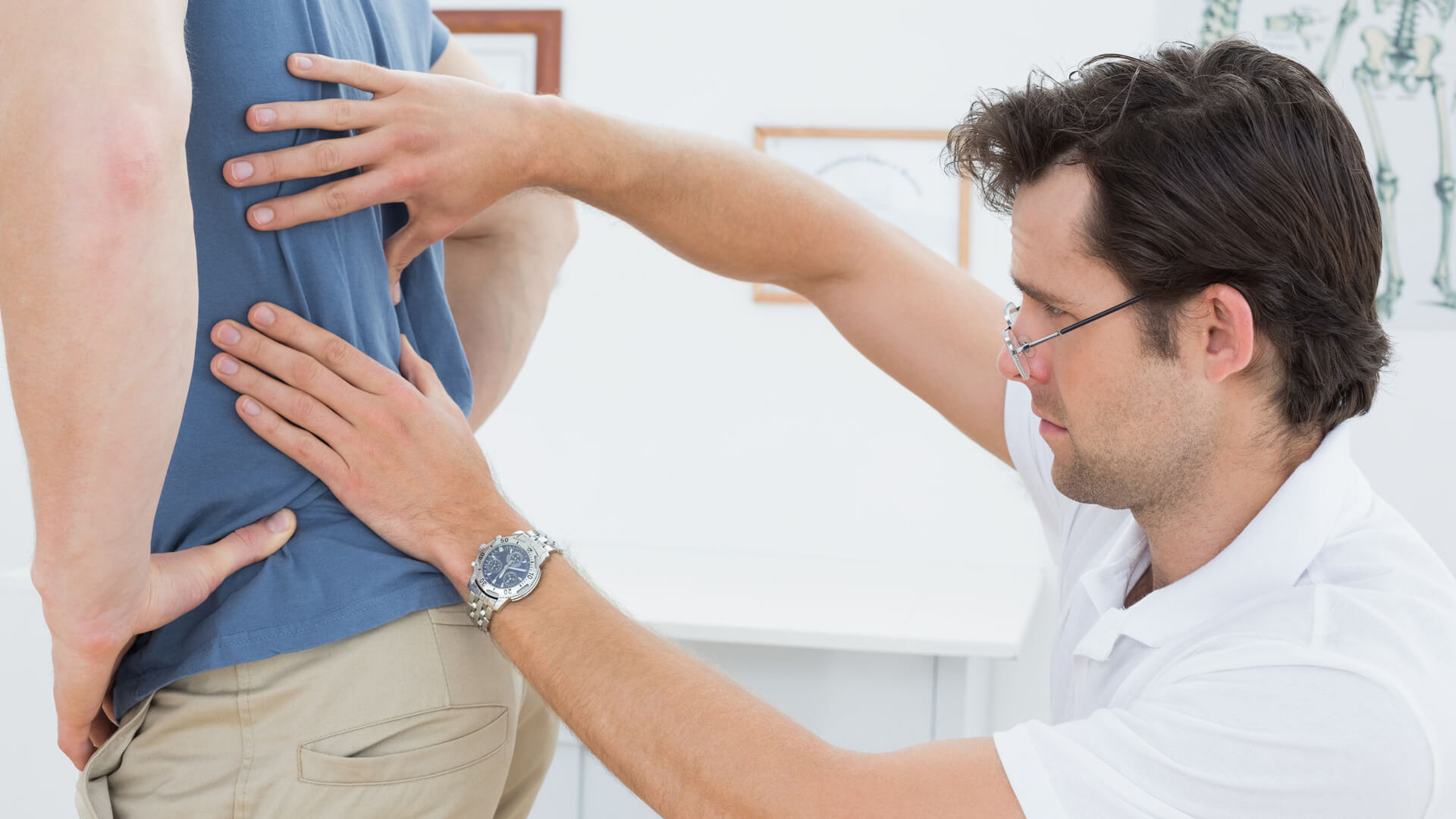
Low back pain is the single leading cause of disability worldwide, according to the Global Burden of Disease 2010. Some healthcare providers might recommend surgery as the most certain way of alleviating pain and getting you back on your feet, but recent studies have shown that a combination of conservative care treatments cost less and provide greater patient satisfaction than typical medical treatments. Ongoing back pain can be caused by a variety of circumstances or factors, including re-injuring the knee you sprained 25 years ago, being in a car accident, congenital conditions like scoliosis, or even just sitting at a desk with poor posture five days a week can all lead to the need for significant treatment.
Conservative Care vs. Surgery
Many conditions that at first glance may seem to be surgical cases may be effectively treated via conservative care measures. This can be anything from anti-inflammatories, ice and heat compresses, chiropractic care, physical therapy, stretching and exercise, or a combination of some of the above. Strengthening your core and practicing good posture can have compounding positive effects on spinal health and may prevent conditions like sciatica. Avoiding a four to eight week recovery period is another benefit to preventive practices and conservative care. With back surgery, it is common for patients to take a month or more off work; not a good option for someone in the midst of a busy season at work or someone who needs to be active for the sake of their family or business.
Common Conditions Requiring Surgery
Herniated discs, sciatica, and osteoporosis all have the potential to cause significant damage that requires surgery. However, many of these may be treated or prevented by using conservative chiropractic care, saving you time and money while correcting the cause of your symptoms.
Avoiding Surgery for Herniated Discs
For someone suffering from a disc condition caused by simple wear and tear or a traumatic injury, spinal manipulation may be able to provide a safe and effective alternative to injections or surgery. Conservative care may produce high rates of improvement for many patients suffering from the pain associated with this condition. This regimen may include adequate rest, ice packs (or moist heat) applied to the area, anti-inflammatories, and chiropractic care or physical therapy.
Alternatives to Surgery for Sciatica
Sciatica symptoms occupy a wide range on the pain spectrum, from a bad cramp to excruciating pain that makes every position uncomfortable. This condition is sometimes caused by irritation to the sciatic nerve – often one or several branches of this nerve. A herniated disc, tight muscles in your lower back or buttocks, or spinal stenosis might also cause sciatica, according to the Cleveland Clinic. While injections or surgery can be recommended for this condition, chiropractic care may be able to relieve pressure or irritation to a nerve, “un-pinching” it; easing pressure on a herniated disc, allowing it to heal-addressing the root cause of your sciatica.
Alternative Treatments for Spinal Stenosis
Spinal stenosis is caused by narrowing of the spinal canal and can result in numbness and/or pain in the legs, neck, or shoulders. While spinal stenosis is often a result of aging, traumatic injuries can also cause this narrowing and its associated symptoms. Although severe cases may often require surgery, mild or moderate cases can benefit significantly from conservative care and, specifically from chiropractic adjustments. While the adjustments themselves may help relieve pressure and pain and restore joint function, one of our doctors can also work with you to create a wellness plan you can do at home with specific exercises to strengthen key muscles and ligaments. One of our patients who was struggling with back pain due to spinal stenosis had this to say about his experience:
When my back “went out” last August, I experienced the most excruciating pain in my life for at least two weeks straight. I felt paralyzed the first two weeks and could hardly move; I could not sit or stand or lie in bed without pain. At the time, I did not really “believe” in chiropractors, mainly because I was ignorant of how they operate. But I went to Tuck Chiropractic Clinic. [The Doctor] took x-rays (which were also later used by an orthopedic surgeon, who verified what the doctor told me).
I now have the highest regard for [the doctor] and his staff. Not only was the pain reduced substantially almost immediately, but the therapeutic spinal manipulations got me moving again fast. The doctor explained exactly what he was doing. Soon he provided exercises to strengthen the muscles of my lower back, and these I do religiously. The improvement is almost beyond belief.
— Dr. Louis Gallo, >Tuck Chiropractic Clinic Patient
While surgery may be appropriate for some patients, others may not be surgical candidates because of other health concerns. For patients who cannot or do not wish to undergo surgery, chiropractic may be a safe alternative that could bring significant relief to symptoms of herniated discs, sciatica, spinal stenosis, or other conditions causing back pain. If you are interested in trying conservative care or getting a second opinion, please visit one of the doctors in our eleven locations. They will work with you to create a plan that fits your schedule and provides the care you need to stay out of the hospital and off the operating table.
If you have any questions about your particular condition and how chiropractic care might offer an alternative to surgery, please contact us.
Copyright: lightwave / 123RF Stock Photo
About the Writer
tech
How Does Excessive Weight Affect the Body?

Have you ever wondered what a few extra pounds can do to your body? You may be surprised at how damaging obesity can be.
New Year, New You
Becoming healthier and specifically losing weight are among the top New Year’s resolutions. According to a Neilsen survey, more than 69 percent of resolution-makers stated a desired to live a healthier life or lose weight in 2015. Statistics gathered by the Centers for Disease Control and Prevention show that 69 percent of Americans over the age of 20 are overweight and just over 35 percent are obese. These statistics show that losing weight may be a harder battle than many people realize.
But just what are the consequences of obesity? Even apart from its association with life-threatening conditions like diabetes, heart disease, and stroke, carrying too much extra weight can cause a lot of mechanical wear and tear on your body, possibly leading to pain and mobility issues. The following seven physical problems have been tied directly to obesity:
Osteoporosis
A 2010 study by the Radiological Society of North America found that obese individuals are far more likely to have osteoporosis than individuals whose weight is at a healthy level. The study’s authors theorized that fat cells, in addition to producing hormones, also may produce chemicals that weaken bones.
Back Pain
A study of more than 50,000 men and 120,000 women using data from the Health Professionals Follow-up Study and the Nurses’ Health Study found that individuals who are overweight are far more likely to have back pain such as chronic lower back pain, spinal injuries, and vertebral disc disease. Proper alignment of the spine is difficult with excess weight, which places stress on the spine in atypical places.
Knee Damage
Excess weight places additional pressure and weight on the knees, which are not designed to carry extreme loads. A 2006 study published in the Bone and Joint Journal found that morbidly obese individuals who underwent knee replacement were more likely to have complications and problems less than four years later than patients who were not obese.
Osteoarthritis

Osteoarthritis is a type of arthritis that causes pain and inflammation in the joints. A 2008 study published in the journal Biorheology suggested that obesity may trigger arthritis due to its status as a “low-grade systemic inflammatory disease.” Inflammation can lead to an increased risk for developing arthritis in the knees, hips, wrists, and other joints.
Spine Problems
In 2014, researchers published findings in Spine that showed that obese patients being treated surgically for spinal conditions such as lumbar spinal stenosis, degenerative spondylolisthesis (DS), and intervertebral disc herniation (IDH) had significantly poorer outcomes than individuals who were not obese.
Inflexibility
Obese people are far less likely to have flexibility in the spine and other skeletal systems, according to a 2010 study published in the Journal of NeuroEngineering and Rehabilitation. According to the study’s authors, the obese have a far narrower range of motion in their spines than individuals who are a healthy weight.
Poor Posture
Weight gain can affect posture, causing individuals to bend their spine and joints in unusual ways to accommodate the extra weight. Over time, excess weight can cause poor posture, including stooped shoulders, a bent spine, hips that rotate out of alignment, and a protruding belly. A 2014 study published in Obesity Surgery said that posture improves after weight loss.
Neck Pain
Excess weight is not only bad for the lower back, but it can cause strain in the upper back and neck as well. Poor posture and uneven weight distribution can cause chronic neck pain. A 2014 study published in the European Journal of Public Health found that individuals with a BMI of 25 or higher were far more likely to report chronic neck and back pain.
While losing weight continues to be a leading New Year’s resolution, you may find it easier to say “no” when you realize just how much pain obesity can cause.
If you’re experiencing aches and pains due to obesity, consider making an appointment with one of our doctors at Tuck Chiropractic Clinic. We can help reduce your pain, as well as develop a plan for a healthier lifestyle.
Image by Jean-Paul CHASSENET/123RF.
Image by designua/123RF.
About the Writer
tech
Could Better Shoes Help My Back Pain?

High-heeled shoes contribute to back pain by changing the body’s natural equilibrium, putting extra stress on the calves and lower back.
The Right Shoes Can Make a Huge Difference
The feet are the foundation of your body — and of your posture. The way your weight is distributed on your feet while you walk, stand, and run can contribute to knee pain, ankle pain, and lower back pain, as well as painful conditions of the foot such as blisters, bunions, and even stress fractures. In a sort of domino effect, your body forms a “kinetic chain” and how the feet are positioned and supported can positively or negatively impact the rest of your muscles and joints. Providing the right support for your feet with properly fitted or specially made shoes, or foot orthotics can help your posture and thereby your muscles and joints.
Choosing the Right Shoes
How to select the right pair of shoes depends on a lot of factors, such as your average daily physical activity, whether or not you suffer from back pain, or require special support due to shallow arches or another issue. Here are some tips to help you choose the right shoes for your specific needs.
- Don’t Buy Shoes That Need Breaking In. Shoes should be comfortable the first time you try them on. Buying shoes thinking you’ll break them in is a bad idea — you could end up hurting yourself with ill-fitting shoes that never conform to the shape of your feet.
- Measure Your Feet Every Time You Buy Shoes. Shoes should have at least enough space to fit your index finger between your foot and the back of the shoe, which is a more reliable measurement than checking for toe space. You should have your feet measured each time you purchase shoes because the shape and length of your feet can change over time.
- Shop for Shoes at the End of the Day. In the late afternoon and evening your feet are larger due to a buildup of fluid, so shopping at the end of a long day means your shoes won’t be too tight when your feet are worn out.
- Consider the Terrain. Whether you’re buying shoes for exercise or work, keeping your environment in mind can help you purchase the right shoes. For instance, if you’re running on a concrete track or standing on concrete floors for extended periods, choose shoes with extra cushion in the heels.
- Avoid Shoes With No Support. Shoes with flat soles like flip-flops have absolutely no support or cushion and can lead to pain in your arches, heels, or knees. If you need sandals, look for a pair with better arch and heel support, or switch shoes after a while.
- Replace Your Shoes Frequently. Worn out shoes don’t provide the kind of support your feet, ankles, knees, and back require and can contribute to back pain or injury during physical activity. Running shoes can last for approximately 400 miles, or six months for an active runner.
- Avoid Wearing High Heels for Long Periods of Time. High heels throw off your body’s equilibrium, tipping the pelvis forward and increasing the curvature of the back. This artificial interruption in your body’s natural balance can contribute to lower back pain. If you must wear heels for work, look for orthotic inserts and bring a second pair of shoes to switch into whenever possible.
- Choose the Right Shoes for Each Activity. When buying exercise shoes, keep in mind that running shoes are not the same as tennis shoes or basketball shoes. Visit an athletic shoe store with a specialist who is familiar with different kinds of athletic shoes and can guide you to the right purchase for your activity.
Extra Support for Back Pain
For those who suffer from back pain, even supportive shoes that fit well may not meet your individual needs. Foot problems like bunions, plantar fasciitis, pronation (when the ankles roll inward), or supination (when the ankles roll outward), can disrupt your body’s natural balance and cause back pain through chronic misuse of muscles while walking and running.
Specialized footwear or orthotic inserts can provide extra support and remove strain that might be contributing to your back pain. When first using inserts, you may notice an increase in tenderness in the feet, which usually subsides. But orthotics, which are even available for high heels, can provide a noninvasive, conservative treatment for lower back pain.
Prescription inserts are custom-made orthotics fitted by a podiatrist or foot specialist. Your chiropractor can also help you with custom orthotics by doing a custom fitting and by ordering the appropriate orthotic for you. Custom inserts may be a good solution if your foot or ankle problems are severe. While prescription orthotics are costly, insurance often helps pay for them and they are made with durable, high-quality materials.
Over-the-counter inserts, which can be purchased at retail stores, often are a less costly way to find relief. There are a variety of inserts on the market that address common needs like arch support.
Depending on Your Feet
Back pain is the second most common reason people see a doctor, and the single most common reason people see a chiropractor. But far too many people don’t pay enough attention when shopping for shoes. Whether you’re working or exercising, your body depends on your feet to support the balance of your posture and your gait. Choosing the right shoes can make a huge difference in your overall balance and contribute to fewer injuries and less pain.
If you have any questions or would like to learn more about how the shoes you wear can affect your posture, please don’t hesitate to contact us. We can also recommend a podiatrist to patients who need extra care for their feet and gait.
Image Copyright: bialasiewicz / 123RF Stock Photo
About the Writer
tech
Is It Bad to Crack Your Back?

Having a friend crack your back may provide some temporary relief, but it won’t fix the underlying issue causing pain and can result in injury.
There are varying opinions about whether people should crack their knuckles, back, or other joints in the body. Many people wonder about the cracking noise that occurs during a chiropractic adjustment, and some claim that having a friend apply force to “crack their back” can produce the same effect. But what actually happens when your back cracks? And how is it different than treatment from a chiropractor? Let’s take a look.
What Causes Your Back to Crack?
A recent MRI study published in April 2015 in the journal PLOS ONE illustrates what happens when you crack your fingers: Your joints are separated by force, forming a cavity that causes the cracking noise we are familiar with.
When your back cracks, the same principle applies — gases between the joints of the spine form a cavitation that causes a change in pressure, producing a popping noise.
Back cracking is perfectly normal. Gases and liquids surround the joints of the spine, and as you move throughout the day they move too. When pressure is applied, such as during a chiropractic adjustment, these liquids and gases rapidly move and form cavities that produce the popping noise. The joints and bones themselves are not affected by the cavities created.
Sometimes the back cracks as a result of ligaments tightening or shifting, but it also might be the result of a more serious condition, such as arthritis — rough bone edges may rub together because of the deterioration of smooth cartilage.
How Are Chiropractic Adjustments Different?
During chiropractic adjustment, cracking or popping noises typically occur as a natural result of specific manipulation applied to the joint, including changes in pressure that occur when your joints are being moved.
Having a friend crack your back and seeing a chiropractor are very different. Having an untrained person apply force that creates a cracking sound may provide some sort of temporary relief, but it also comes with a greater risk of injury. Only a trained, experienced professional like a chiropractor can manipulate specific joints and adjust them properly to provide lasting relief and appropriate treatment. Chiropractors can assess exactly where a joint is malfunctioning or causing pain and can deliver adjustments with specific, targeted intent that restores function and mobility to the joint.
There is a much higher chance that an untrained amateur could accidentally injure your back. Chiropractors are highly trained, and chiropractic manipulation is a very specific procedure. Dr. Ray Tuck, D.C., summed it up:
Anyone can produce a popping sound from a person’s back. A doctor of chiropractic can determine where an adjustment to a specific joint needs to be performed.
Doctors of chiropractic are trained to perform adjustments on patients with lower back pain and other musculoskeletal disorders. If you’re interested in learning more about the benefits of chiropractic adjustment, please contact us with any questions or to schedule a consultation.
Image Copyright: pressmaster / 123RF Stock Photo
About the Writer
tech
Study: Chiropractic Reduces Lower Back Pain in Pregnant Patients
 A study published in April 2014 in Chiropractic and Manual Therapies found that after six months of chiropractic treatment, 90 percent of pregnant patients with lower back pain reported clinically significant improvement. The study was led by researcher Cynthia Peterson, a professor of chiropractic medicine at the University of Zurich in Switzerland.
Researchers recruited 115 patients who were pregnant and experiencing lower back or pelvic pain who were eligible to receive manipulation therapy. Patients had been referred to a chiropractor by a gynecologist, who then recruited them for the study. Information was collected on how long each patient had been experiencing back pain, whether they had experienced lower back pain in a previous pregnancy, and where their pain was located.
Patients received chiropractic manipulation therapy (also known as a chiropractic adjustment) from their chiropractors — the frequency and specific type of treatment was left to the discretion of each chiropractor. The patients’ improvement in the amount of pain felt was measured at one week, one month, three months, six months and one year after the first treatment. More than 50 percent of patients reported improvement in pain levels at every interval of measurement, with 90 percent of patients reporting improvement in one year.
Lower Back Pain in Pregnancy
Lower back pain affects as many as 80 percent of pregnant women and medicating back pain is highly discouraged during pregnancy for the safety of the mother and child. However, back pain can persist after pregnancy has ended in 94 percent of women, making it a serious issue for health care providers to address. Additionally, lower back pain and pelvic pain combined can increase disability rates during pregnancy.
While research has not definitively pinpointed the root cause of back pain during pregnancy, it is largely assumed to be a result of biomechanical changes in the body from increased weight, changing balance, and softening of ligaments due to hormonal changes. This study on chiropractic care during pregnancy aimed to build on the limited but promising results of previous research.
Chiropractic Care During Pregnancy
Chiropractic manipulation therapy provides a conservative, non-invasive alternative treatment that is demonstrated to be successful. No severe adverse effects were reported by study participants, which reflects the safety of chiropractic care.
The study does contain some limitations, such as variations in the type of treatment conducted by individual chiropractors. However, a slight variation in treatment reflects personalized care for each patient’s unique situation. Chiropractors aim to treat their patients based on the individual’s needs and comfort rather than just the symptoms. Beyond manipulation, chiropractors can also work with patients to lower back pain outside the chiropractor’s office by creating a personalized routine of stretches, ergonomic sleeping, sitting and standing positions, and other daily habits.
For pregnant women who struggle with disabling back and pelvic symptoms, this study affirms chiropractic care as a successful alternative to invasive treatment.
About the Writer
tech
American Chiropractic Association: Conservative Care First for Lower Back Pain

Last month the American Chiropractic Association (ACA) called for doctors and patients to consider conservative care in the treatment of lower back pain. The press release cited two recent studies on the effectiveness of the widely recommended drug acetaminophen in treating spinal pain.
One study by researchers in Australia, published in British Medical Journal in March 2015, reviewed all available research on the use of the over-the-counter medication, acetaminophen (also known as Tylenol or paracetamol) as a treatment for neck pain, lower back pain, and hip or knee osteoarthritis. Studies that qualified for analysis involved the use of acetaminophen or a placebo and examined its effect on quality of life, pain, and disability.
The analysis revealed that as a treatment for lower back pain, acetaminophen’s effectiveness compared to that of a placebo in reducing the intensity of pain, improving disability rates, and improving quality of life. There was a slight improvement in patients with osteoarthritis of the hip or knee, but it was not clinically significant. The study was conducted by researchers associated with the University of Sydney, the University of New South Wales, and the Centre for Education and Research on Ageing at Concord Hospital.
Another study cited by the ACA, published in July 2014 in The Lancet, focused specifically on the effectiveness of acetaminophen for lower back pain. This study was conducted on patients at 235 primary care clinics in Sydney, Australia, between 2009 and 2013. Patients with lower back pain were assigned to one of three groups and received instructions, to take a placebo, to take acetaminophen three times a day, or to take acetaminophen as needed for pain.
Patients treated for lower back pain with acetaminophen, whether using as needed or taking daily doses, experienced no significant improvement in recovery time compared with placebo patients. The study was funded by the National Health and Medical Research Council of Australia and GlaxoSmithKline Australia.
A recent report released by the NIH also documented the ineffectiveness of prescription painkillers as a long-term treatment for chronic pain. The report called for an increase in individualized treatment and conservative care.
ACA Emphasizes Conservative Treatment
The ACA is asking physicians to consider recommending conservative treatment – including chiropractic – first.
ACA President Anthony Hamm, D.C., said conservative care is not only less risky than the use of painkillers, but it can also be more cost-effective. Prescription painkillers may be associated with high rates of addiction, while acetaminophen is increasingly linked to other health problems.
A growing body of evidence supports the effectiveness of conservative treatments like chiropractic for long-term relief and resolution of the spine and joint condition. Recent research shows that when treating spinal stenosis, conservative treatment and surgery have similar long-term outcomes and that chiropractic is effective for reducing knee osteoarthritis-related pain and pain in the cervical spine.
Dr. Hamm recommends chiropractic treatment when back pain sets in to prevent further costs down the line and to help patients return to functional living more quickly. Chiropractic may be a better option for long-term relief when compared with OTC or prescription medication. Patient-centered chiropractic treatment focuses on a variety of factors that cause or worsen muscle pain and can help patients avoid costly and risky medical procedures and medications.
About the Writer
tech
You may also be interested in...

Gardening Without Back Pain: Tips from a Chiropractor
Spring is a great time to get outside and enjoy gardening. But all the bending, lifting, and digging can be really tough… Read More

Spring Into Movement: Easing Back After Winter
After a long winter, it’s very common to feel more stiff, tight, and less mobile than usual. Cold weather, shorter days, and… Read More
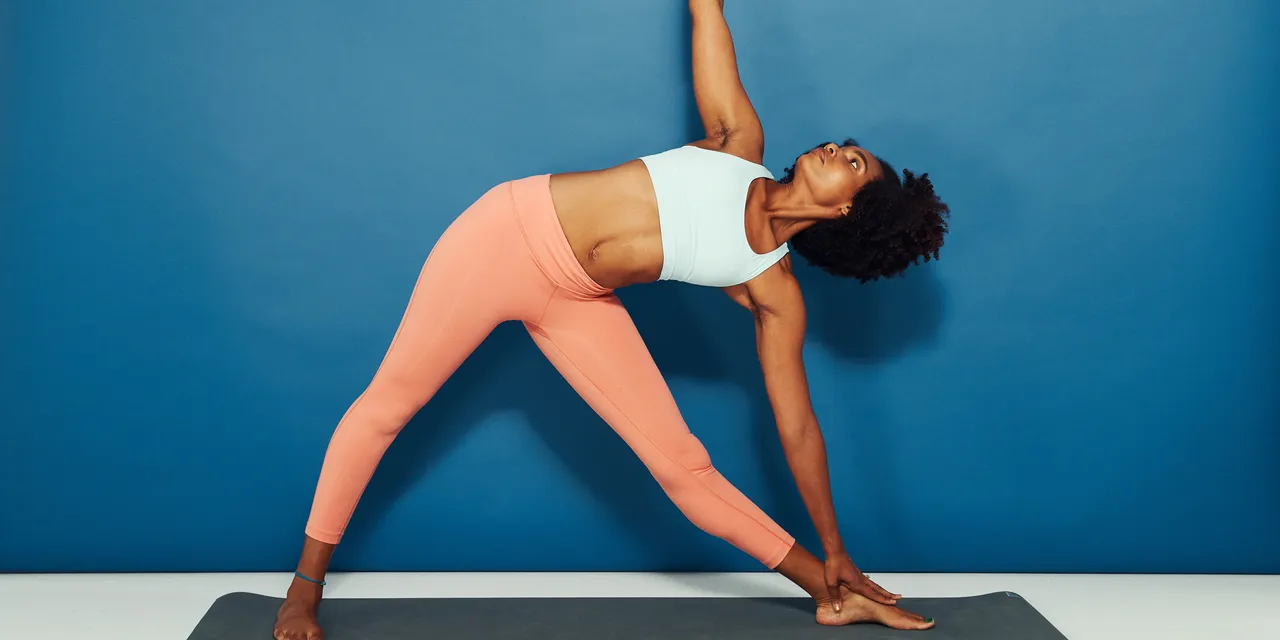
Why Movement is Medicine for Back Pain
Your spine is designed to move. Every joint, disc, muscle, and nerve depends on motion to stay healthy. When movement decreases, the… Read More

5 Easy Habits for a Healthier Spine This New Year
The New Year is a great time to build overall healthier habits, but your spine is the backbone of everything you do. When… Read More