
Tips for Fall Wellness

Exercising outside can improve your mood, increase your vitamin D level, and provide a great way for the whole family to exercise together.
Fall means football, flu season, and that last stretch of pleasant weather before winter kicks in. Days are getting shorter, temperatures are getting cooler, and as the holidays approach, it’s a tempting time to slip out of exercise routines and pack on the pounds.
This guide provides helpful tips to promote health and wellness throughout the season.
Prioritize Physical Activity
Fresh, crisp air, and beautiful changing leaves can beckon you outside, but the colder weather and shortening days can become barriers to physical activity and exercise.
Take advantage of the sunlight and try exercising outside as much as possible. You’ll get a boost of disease-fighting vitamin D, known as the “sunshine vitamin,” which is harder to come by naturally as winter approaches and the days grow ever shorter. Research shows that it’s easier to focus and concentrate on activities while you’re outdoors, so you may be more likely to keep up with a fitness program if it’s taking place outside.
With after-school activities, holidays, and busy weekends, finding time to work out can be a challenge, especially if you have younger children. Try breaking up your workout into a few mini sessions throughout the day. Try taking a walk at lunch. A few minutes of stretching in the morning before leaving for work can make it easier to fit fitness in around the day’s activities.
Recruiting a friend as a workout buddy can keep you accountable to each other. A gym partner can motivate you to show up for your workout instead of putting it off. Get the whole family involved by allocating time for family fitness every day, like a walk in the park or some hoops in the driveway. Exercising with your children can motivate parents to stay fit as well as model good physical fitness for the kids. [tweet_box design=”default” float=”none”]Exercising with your children can motivate parents to stay fit as well as model good physical fitness.[/tweet_box]
Prevent Sickness
Many people feel that it is almost impossible to avoid getting sick during the autumn and winter months. Often when you do get sick, your body builds it’s immunity and becomes stronger!
It is possible to keep yourself healthier during the winter months. Here are some tips to help you keep as healthy as possible:
- Wash your hands often and cover your mouth and nose when you sneeze
- Get plenty of sleep to avoid a weakened immune system
- Eat healthful, fresh foods with vitamins and minerals to support immune health, including plenty of vitamin C
- Drink plenty of water
- Avoid emotionally or physically stressful situations
- Get plenty of rest
- If you do get sick, stay home from work or school to avoid worsening symptoms or infecting others
- Try not to share objects that can carry germs, like drinks and kitchen utensils
- Immediately discard used tissues after coughing or sneezing to avoid spreading germs
It goes without saying, if you are running a high fever for an extended period of time, are becoming dehydrated or are feeling the ‘effects’ of a serious flu episode, seek medical attention immediately.
Maintain Good Nutrition
Autumn boasts an abundance of delicious fruits and vegetables in season. Take advantage of nutritious seasonal fruits like apples, grapes, persimmons, pears, and cranberries. Leafy greens like chard, kale, mustard greens, and spinach also are at their best in the fall months. Sweet potatoes and winter squash, which are packed with beta-carotene, are available in the autumn months. They can be roasted, pureed, or mashed.
With such a variety in season, eating well as the leaves turn doesn’t have to be a chore. These seasonal fruits and veggies tend to be hearty, filling foods that can satisfy your hunger during colder weather.
While a fridge and pantry stocked with seasonal produce is a great start, fall also brings an array of eating habits to watch out for.
From tailgating at football games to the Thanksgiving table, the temptation to overeat is everywhere. You don’t have to cut out all the bad stuff entirely, but mind your portions and try eating more of the healthier foods at the spread. Try to eat half a plate of fruits and veggies and leave the other half for everything else.
On Thanksgiving, for example, eat a healthy breakfast or snack beforehand. This may seem counterintuitive, but it will actually help you fill up sooner and make better choices about what you put on your plate.
Avoid empty, liquid calories like soda and alcohol as much as possible and limit your holiday treats to gatherings. Halloween candy and sugary food gifts are common this time of year. Don’t keep seasonal cookies and candies around the house, where you’re more likely to munch on them.
Stick With It
The hardest part of staying healthy this fall is sticking to a positive routine. Keeping up with physical fitness, keeping an eye on what you eat, and getting enough sleep are all key ways to avoid packing on holiday pounds and succumbing to the next bug making the rounds.
Fall is a busy season. Make it all simpler by getting into a rhythm now. Whether it’s packing lunches or planning a workout regimen, it will be much easier to keep everything organized with a weekly routine that you and your family can stick to.
If you prioritize healthy habits, you can successfully navigate these challenges while enjoying the beautiful weather and holiday festivities.
Check out our Back to School Guide for more information on how to stay healthy during the school year.
Image Copyright: stockbroker / 123RF Stock Photo
About the Writer
tech
Which Foods Are “Cures” Or “Causes” For Triggering Your Migraines?
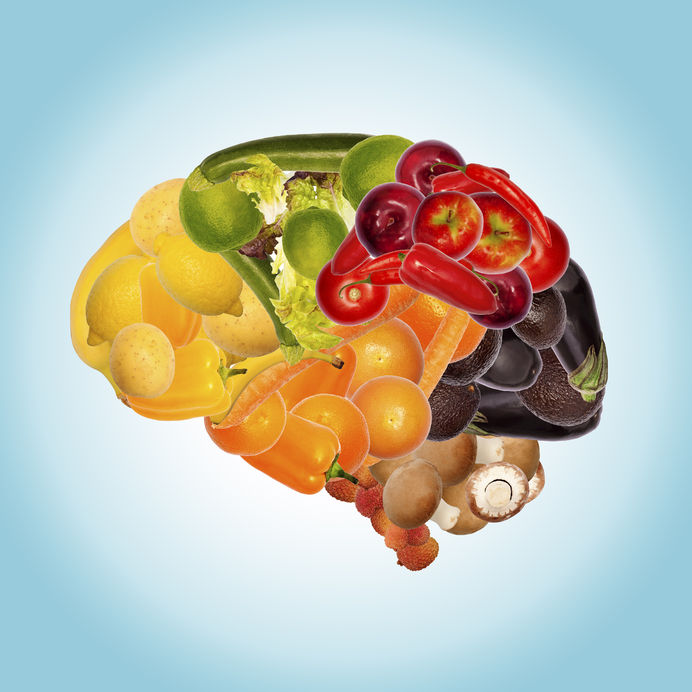
Certain foods can trigger headaches while other foods can help prevent them.
It’s fall! And with the changing seasons comes shifting temperatures and the resurgence of festive foods – both potential triggers for migraines and headaches. When you can’t afford downtime because there’s work to be done or the kids have soccer practice, the last thing you need is a debilitating headache causing you to lose focus. Here are a few nutritional tips for heading off these nuisances before they start.
You may have heard that certain foods can trigger migraines – that’s true, and while some people’s “cure” foods might be others’ “cause” foods, like caffeine, there are a few foods that are pretty sure to help nearly everyone prevent the onset of a migraine.
Dr. Majid Fotuhi, a neuroscientist from John’s Hopkins recommends the following nutrients for brain health and headache prevention:
Riboflavin – also known as vitamin B2 – helps improve brain energy metabolism and the brain’s muscle cells according to Dr. Fotuhi. The good news is, it’s also fairly easy to find, appearing in star foods like spinach, asparagus, mushrooms, and quinoa. If none of these are on your top ten list, throw some spinach in an omelet or a smoothie and remember how much better spinach is than a headache.
Magnesium – especially effective for women who suffer from hormonal triggers, magnesium is found in spinach (apparently an all-purpose win for headache prevention), swiss chard, sweet potatoes, bananas, millet, sunflower seeds, and sesame seeds. Due to changes in water filtration, people are often magnesium deficient without even knowing it. Dr. Fotuhi recommends getting 450mg of magnesium per day as a good goal. You can also check with your doctor to see if you need an extra boost of this mineral.
CoQ10 – or CoenzymeQ10 as it is also called – is a major source of energy and contributes to healthy blood vessels, says Dr. Fotuhi. If you suffer from tension headaches or stress triggers your migraines, upping your CoQ10 intake may help. This little nutrient is also a neutralizer of free radicals (which are often stress-induced), meaning it prevents premature cell aging. If you are in Blacksburg or Radford, you can find CoQ10 locally at the Indigo Farms Seafood truck (mackerel and tuna are good sources) as well as in eggs, broccoli, and cauliflower.
Omega-3s – The fatty acids contained in fish and some seeds are also important immune-supporting factors. These powerful little anti-inflammatories can be found in fish, especially salmon, and flaxseed (a nearly untasteable addition to your spinach smoothie).
Last but not least, water is, without a doubt, the most important nutritional preventative measure you can take. Many of the beverages that we enjoy, like coffee, tea, alcohol, soda, or other sugary drinks actually dehydrate the body. Dehydrated cells are much more prone to illnesses of all kinds, including headaches and migraines. Opt for water and sparkling water when choosing what to drink and stay away from artificial sweeteners and excessive caffeine (known migraine triggers according to Dr. Deborah Friedman, M.D., a professor of neurology and neurotherapeutics at University of Texas-Southwestern). There are also some excellent water-rich fruits that can help you stay hydrated, including strawberries, watermelon, cantaloupe, pineapple, and grapefruit.
Just as there are a few foods that are very likely to help prevent migraine onsets, there are also some pretty common triggers; several experts, including Dr. Anne MacGregor, author of “Understanding Migraines and Other Headaches,” recommend journaling your food intake and activities throughout the day if you are headache-prone to help identify those things that lower your threshold for a migraine. These men and women suggest that excess caffeine (in coffee and chocolate), monosodium glutamate (or MSG – found in some Chinese food, processed meats, some canned vegetables, gravy, soup, and dip mixes, and soy-based foods), aged meats and cheeses, beer and wine, artificial sweeteners, and some preservatives, like nitrates and nitrites (found in some deli meats, bacon, etc.) can and should be avoided if you suffer from frequent headaches and/or migraines.
While avoiding foods can be less than fun, finding healthy, nutrient-rich, seasonal recipes with preventative value can help ease the pain. As we’ve mentioned above, smoothies are an excellent way to get many of these nutrients. We’ve included links to recipes for fun fall drinks featuring spinach, flax, and fruits listed above for you to add to your daily routine.
When headaches are making life miserable, we’re here to help. Prevent migraines and headaches through these proactive nutrition tips, stress-reducing activities like yoga, stretching, daily exercise, and chiropractic care for a healthy, happy fall.
About the Writer
tech
200 Miles? 500 Miles? When Should You Replace Your Running Shoes?
 Ryan Hall won his first NCAA championship in 2005 when he ran the 5000 meter race in 13:22.32, beating his teammate by less than a second. That’s just off a 4 minute pace, for those of you who are counting. Gina Kolata from the New York Times wellness blog, caught him standing still long enough to ask him when he decides a shoe is ready to retire. He explained that he replaces his shoes every 200 miles, saying, “I know that my shoes could probably handle a couple of hundred more miles before they are worn out, but my health is so important to me that I like to always make sure my equipment is fresh.” Dr. Jeremy Keene, from our clinic in Roanoke-Cave Spring, Virginia echoed Hall’s emphasis on maintaining your gear; encouraging runners to remember that, “Injury prevention and increased performance are the results of shoes that provide the proper support.”
Replacing shoes every couple hundred miles isn’t quite as daunting when your shoes come from a corporate sponsor, but when the rest of us are looking at spending between $90-$120, new shoes don’t seem quite so necessary, regardless of the stern warnings about possible injuries from tired-out treads. Gina Kolata decided to get a few other opinions on the topic as well, asking a friend who runs 100+ miles each week how often she purchases replacements. Ms. Davis guesstimated her gear logs about 500 miles before she heads to her local running store. A range of 200 to 500 miles is fairly large though and neither Mr. Hall nor Ms. Davis had too much to say about how they determine when the time is right to start looking for new shoes.
The experts at REI recommend 500 miles as a general guideline but offer an easy set of tests for you to determine for yourself whether or not your shoes need to be benched.
The Press Test: Use your thumb to push on the bottom of your shoe up into the midsole. With new shoes, the midsole should visibly compress into lines or wrinkles. A more worn shoe will compress less when subjected to the same amount of pressure. Heavily compressed midsoles offer little stability or protection and are a sign that it’s time for a new pair.
Further Examination: Check out the wear your shoes have sustained. Are the heels intact? Have you worn parts of the outsole down? Have your shoes molded to your feet (i.e. heel pockets inside the shoe)? If so, your shoes may be ready for retirement.
Feelin’ Good: Finally, pay attention to how your feet, ankles, knees, hops, and back feel after you run. Are you noticing new aches and pains lately? If so, it may be time to change shoes. Alternatively, unexpected friction or blisters may signal overstretched shoes that allow your feet to move around more than they should.
While tests and expert advice are helpful, the real answer for when to replace your shoes rests with you. According to Runner’s World, shoe wear has a variety of causes including:
- The running surface – asphalt wears shoes down faster than grass or dirt,
- The runner’s weight – runners over 200 pounds wear their shoes down more quickly than lighter runners
- Strike style – heel strikers tend to wear out their midsoles more quickly than other running styles
- Shoe type – more protective shoes tend to last longer than minimalist shoe types.
With all those variables, you are the only one who can really say if your shoes are ready for retirement. Using the tests mentioned above should help you determine if you’re ready for a new pair. While rotating between two different pairs of shoes and using your running shoes exclusively for workouts will help shoes last longer, when you know your shoes are past their prime, it’s worth the investment to get a new pair that will help keep you running pain-free.
About the Writer
tech
How to Deal With Frequent Migraines and Other Headaches

Tension headaches are often caused by a buildup of tension in the neck and shoulders, a result of sitting in one position for too long.
Whether you’re at work, in class, or parenting energetic children, you can’t afford to let a headache ruin your day. When a headache strikes, many people turn to medication to ease the pain. But medication isn’t always a viable or desirable option.
You may be looking for treatments to complement traditional medicine or for alternative ways to treat and prevent headaches. This post outlines useful tips and treatments to help you cope with headaches, such as self-monitoring of symptoms, using relaxation techniques, chiropractic care, and more.
The first step is determining what kind of headaches you suffer from.
Four Types of Headaches
Understanding headaches and knowing the most effective treatments for them can be vital as you try to gain relief from them. Migraines, tension, and cluster headaches can present with a wide spectrum of similar symptoms of varying intensity. Each type requires a slightly different treatment approach. The best way to tell what kind of headache you have is to examine the intensity and combination of symptoms.
- Tension: Tension headaches are the most common type of headache, often caused by tension in the neck. Chronic stress, poor posture, and a sedentary lifestyle can contribute to neck tension. The pain typically is described as a dull ache, often accompanied by a feeling of pressure. Tension headaches usually are relatively short in duration, usually resolving within a few hours.
- Migraine: Migraine headaches are frequently caused by triggers: certain foods, light, sounds, or smells. Hormonal changes and a genetic predisposition can affect the frequency of migraines. Migraines can strike suddenly and typically have moderate to severe levels of sharp pain. They often are accompanied by symptoms like sensitivity to light, visual symptoms, nausea, and pain in the temples.
- Cluster: Cluster headaches are not caused by triggers or tension but by irregularities in the hypothalamus, which is why they often occur at the same time every day. Unlike pain from migraine or tension headaches, cluster headaches typically focus behind or around one eye, with agonizing pain radiating outward. These types of headaches do not often respond to usual headache treatments and should be treated by a neurologist. However, secondary problems that result from cluster headaches — such as tension in the neck and even depression — can often be treated.
- Sinus: Unlike the three types of “primary” headaches above, which are not caused by another physical problem, sinus headaches typically occur in conjunction with sinus infection. They are relatively rare — often what people assume to be sinus headaches are actually migraines. Sinus headaches typically manifest as a deep, continuous pain in the forehead, cheekbones, or bridge of the nose, and can be aggravated by head movements. Sensitivity to light and nausea are not typical symptoms of sinus headaches.
Identifying and Avoiding Migraine Triggers
Since migraines often are caused by triggers, identifying your triggers is the first step toward prevention. Triggers can be different for everyone, but common ones include:
- Smells like perfume and cigarette smoke
- Large amounts of caffeine
- Loud noises
- Dehydration
- Hunger
- Glare
- Not maintaining a good sleep schedule
Some triggers are unavoidable, such as a whiff of secondhand smoke or loud noises in your work environment. Even an activity like a high-intensity workout could set off a migraine.
To help identify your triggers, try keeping a journal of all your activities before a migraine comes on. This can help you narrow down contributing factors, and help you avoid them in the future.
Tips for Coping With Migraines and Other Headaches
Sometimes migraine triggers are unavoidable, and cluster, tension and sinus headaches can strike without warning. So what can you do to help prevent or relieve the pain?
As with any other medical condition, it is important to consider all the factors and treat the whole person rather than just the problem. Frequent headaches can cause emotional issues, as well as secondary medical issues. Here are a few ways to reduce the impact and frequency of your headaches or migraines:
- Pay Attention to Your Emotional and Mental Well-Being. Migraines are very commonly associated with anxiety or depression. There can be a social stigma associated with having frequent migraines. You may be afraid that friends and family won’t understand the pain you are experiencing. Pursuing treatment for stress or anxiety, and using coping techniques such as meditation are just as important as avoiding triggers and treating physical symptoms.
- Pay Attention to Warning Signs. Sometimes migraines appear after signs like irritability, nausea, or mild pain. Some people also experience auras, symptoms that come before a migraine, which can include mental fog, seeing shimmering lights, numbness or tingling in the face or hands, or a heightened sense of smell, taste, or touch.
- Take Breaks to Stretch. If you have tension headaches, take frequent breaks to stand up at your desk and stretch or relax tight muscles in your neck and shoulders to avoid tension buildup.
- Change Your Diet. If caffeine, alcohol, or certain foods are causing more frequent migraines, try taking a break and note whether your symptoms improve. Foods that can trigger migraines include onions, some types of fruit, and aged cheese.
- Ask Your Doctor About Supplements. Magnesium supplements have helped some migraine sufferers dramatically reduce the frequency of their headaches. It is important to ensure supplements don’t interact with your other medications.
- Reduce Stress. Controlling stress in your life is extremely important if you suffer from frequent migraines. Try taking a warm shower or using warm compresses to help ease symptoms. Meditation and yoga are often helpful in reducing stress, as well.
Chiropractic Care for Headache Relief
While these tips are all helpful, you may need additional care to adequately manage your headaches. Consider conservative chiropractic care, which is noninvasive and can effectively complement traditional medical treatment. Many Americans get real relief from headaches with chiropractic care that targets the cause of the headache itself.
A study published in the Journal of Manipulative and Physiological Therapeutics compared spinal manipulation and a commonly prescribed migraine medication, amitriptyline, and found that spinal manipulation was just as effective in reducing the intensity of migraines.
More research in this area is still necessary, but many of our patients at Tuck Chiropractic Clinic have found headache relief through chiropractic care.
For more information on the types of headaches and how chiropractic care can treat them, visit our headache treatment page or make an appointment with one of our experienced chiropractors.
About the Writer
tech
Guide to Carpal Tunnel Syndrome: Tips and Advice for Athletes and Office Workers
 Carpal tunnel syndrome, which can be painful and debilitating, affects people from all walks of life and lines of work. It can be caused by repetitive motions that strain the wrists, such as weightlifting or even typing with badly positioned hands.
It’s estimated that carpal tunnel syndrome can cost a worker around $30,000 in medical bills and sick leave.
What Is Carpal Tunnel Syndrome?
The carpal tunnel is a narrow conduit in your wrist through which nine flexor tendons and the median nerve enter your hand.
Carpal tunnel syndrome (CTS) manifests as pain, numbing, and tingling in parts of the hand. It’s caused by pressure on the median nerve due to swelling or other changes in the carpal tunnel. Some sufferers of CTS are born with small carpal tunnels, but it also may be caused by repetitive stress or a wide range of medical conditions.
Sufferers of CTS are more commonly women and people between the ages of 30 and 60. Some common medical conditions associated with CTS include fractures in wrist bones, arthritis, cysts or tumors in the wrist, infection, obesity, and diabetes.
What does carpal tunnel syndrome feel like? Primary signs and symptoms are numbness and tingling in the palm and fingers, general weakness or difficulty gripping, difficulty with fine motor skills, and pain in the wrists, hands, or all the way to the elbow. Some patients may experience pain at night, which can be a sign of significant CTS.
Preventing Carpal Tunnel Syndrome
Whether your CTS is the result of work, or exercise and leisure activities, there are ways to keep CTS from getting worse. Here are a few key strategies.
CTS in the Workplace
If repetitive motions at work have caused your carpal tunnel syndrome, it may be impossible to abstain from those activities. But there are ways you can reduce the impact of workplace obligations.
Ergonomics, or how you sit, stand, and move at work, can be a major contributing factor to CTS. Here are a few ways to correct your posture and adjust your work environment to lessen symptoms:
- Take frequent breaks to rest and relieve the tension in your wrists and hands.
- Wear splints to keep your wrists in a neutral position.
- Keep your keyboard positioned so your hands are not pointed upward while typing.
- Invest in a cushioned mousepad or wrist pad.
- Sit with good posture at your desk (slouching forward can create bad conditions for typing).
Stretches and Exercises for Athletes
Weightlifters and bodybuilders are particularly prone to developing CTS since repetitive lifting motions can cause damage over time. To prevent CTS, here are a few things to work into your gym routine:
- Keep your wrists in a neutral position during activities like lifting weights — avoid overextension.
- Soak your hands and wrists in warm water before physical activities.
- Stretch your fingers, hands, and wrists before and after physical activities.
- If you are lifting weights, wear adequately padded gloves.
Exercises to Prevent Carpal Tunnel Syndrome
Exercise your hands and wrists for at least five minutes before and after work or working out, and periodically throughout your shift or workout to decrease pressure on the median nerve:
- With arms extended, make tight fists with your hands then slowly bend your wrists down. Count to five then release.
- Straighten your wrists and relax your fingers. Count to five and then release.
- Extend your arms and flex your hands as if you are doing a handstand. Count to five and then release.
- Repeat these exercises for five minutes, then relax your wrists, hands, and fingers and shake them for a few seconds.
Chiropractic Care for Carpal Tunnel Syndrome
Surgery is the most commonly recommended treatment for carpal tunnel syndrome. According to the U.S. Centers for Disease Control and Prevention, between 300,000 and 500,000 people undergo surgery to correct CTS each year.
But chiropractic care is a less invasive alternative that may provide significant relief without surgery. For some patients, surgery is not an option because of other health issues. Others may simply desire to pursue less invasive treatment first. A doctor of chiropractic can always provide a referral if necessary or desired.
A study published in the Journal of Manipulative and Physiological Therapeutics found that chiropractic care was as successful at improving function and comfort in CTS patients as conservative traditional medical treatment. Another pilot study published in the Journal of Chiropractic Medicine had similar results, with significant improvements in function and the severity of symptoms.
Chiropractors utilize a variety of techniques to address CTS, including joint manipulation and mobilization, soft-tissue mobilization, and more. Your doctor of chiropractic can also advise you on proper workplace ergonomics and posture.
Carpal tunnel syndrome doesn’t have to impede your ability to work or exercise. Please contact us if you’d like more information about CTS or to schedule a consultation. In addition to the tips above, our doctors can work with you to successfully reduce your symptoms and help prevent future pain.
About the Writer
tech
Could Better Shoes Help My Back Pain?

High-heeled shoes contribute to back pain by changing the body’s natural equilibrium, putting extra stress on the calves and lower back.
The Right Shoes Can Make a Huge Difference
The feet are the foundation of your body — and of your posture. The way your weight is distributed on your feet while you walk, stand, and run can contribute to knee pain, ankle pain, and lower back pain, as well as painful conditions of the foot such as blisters, bunions, and even stress fractures. In a sort of domino effect, your body forms a “kinetic chain” and how the feet are positioned and supported can positively or negatively impact the rest of your muscles and joints. Providing the right support for your feet with properly fitted or specially made shoes, or foot orthotics can help your posture and thereby your muscles and joints.
Choosing the Right Shoes
How to select the right pair of shoes depends on a lot of factors, such as your average daily physical activity, whether or not you suffer from back pain, or require special support due to shallow arches or another issue. Here are some tips to help you choose the right shoes for your specific needs.
- Don’t Buy Shoes That Need Breaking In. Shoes should be comfortable the first time you try them on. Buying shoes thinking you’ll break them in is a bad idea — you could end up hurting yourself with ill-fitting shoes that never conform to the shape of your feet.
- Measure Your Feet Every Time You Buy Shoes. Shoes should have at least enough space to fit your index finger between your foot and the back of the shoe, which is a more reliable measurement than checking for toe space. You should have your feet measured each time you purchase shoes because the shape and length of your feet can change over time.
- Shop for Shoes at the End of the Day. In the late afternoon and evening your feet are larger due to a buildup of fluid, so shopping at the end of a long day means your shoes won’t be too tight when your feet are worn out.
- Consider the Terrain. Whether you’re buying shoes for exercise or work, keeping your environment in mind can help you purchase the right shoes. For instance, if you’re running on a concrete track or standing on concrete floors for extended periods, choose shoes with extra cushion in the heels.
- Avoid Shoes With No Support. Shoes with flat soles like flip-flops have absolutely no support or cushion and can lead to pain in your arches, heels, or knees. If you need sandals, look for a pair with better arch and heel support, or switch shoes after a while.
- Replace Your Shoes Frequently. Worn out shoes don’t provide the kind of support your feet, ankles, knees, and back require and can contribute to back pain or injury during physical activity. Running shoes can last for approximately 400 miles, or six months for an active runner.
- Avoid Wearing High Heels for Long Periods of Time. High heels throw off your body’s equilibrium, tipping the pelvis forward and increasing the curvature of the back. This artificial interruption in your body’s natural balance can contribute to lower back pain. If you must wear heels for work, look for orthotic inserts and bring a second pair of shoes to switch into whenever possible.
- Choose the Right Shoes for Each Activity. When buying exercise shoes, keep in mind that running shoes are not the same as tennis shoes or basketball shoes. Visit an athletic shoe store with a specialist who is familiar with different kinds of athletic shoes and can guide you to the right purchase for your activity.
Extra Support for Back Pain
For those who suffer from back pain, even supportive shoes that fit well may not meet your individual needs. Foot problems like bunions, plantar fasciitis, pronation (when the ankles roll inward), or supination (when the ankles roll outward), can disrupt your body’s natural balance and cause back pain through chronic misuse of muscles while walking and running.
Specialized footwear or orthotic inserts can provide extra support and remove strain that might be contributing to your back pain. When first using inserts, you may notice an increase in tenderness in the feet, which usually subsides. But orthotics, which are even available for high heels, can provide a noninvasive, conservative treatment for lower back pain.
Prescription inserts are custom-made orthotics fitted by a podiatrist or foot specialist. Your chiropractor can also help you with custom orthotics by doing a custom fitting and by ordering the appropriate orthotic for you. Custom inserts may be a good solution if your foot or ankle problems are severe. While prescription orthotics are costly, insurance often helps pay for them and they are made with durable, high-quality materials.
Over-the-counter inserts, which can be purchased at retail stores, often are a less costly way to find relief. There are a variety of inserts on the market that address common needs like arch support.
Depending on Your Feet
Back pain is the second most common reason people see a doctor, and the single most common reason people see a chiropractor. But far too many people don’t pay enough attention when shopping for shoes. Whether you’re working or exercising, your body depends on your feet to support the balance of your posture and your gait. Choosing the right shoes can make a huge difference in your overall balance and contribute to fewer injuries and less pain.
If you have any questions or would like to learn more about how the shoes you wear can affect your posture, please don’t hesitate to contact us. We can also recommend a podiatrist to patients who need extra care for their feet and gait.
Image Copyright: bialasiewicz / 123RF Stock Photo
About the Writer
tech
How Do We Know How Healthcare Is Performing?

We’re here to help.
Healthcare is a hot topic right now on the political landscape, especially as election season accelerates and gains traction. With all the talk of healthcare it does beg the question, how does the healthcare industry collectively and objectively assess its current performance and areas for improvement? The best way to tackle this important topic is to ask those who matter most in the healthcare system—patients themselves.
The Consumer Assessment of Healthcare Providers and Systems (CAHPS) agenda is a program of the U.S. Agency for Healthcare Research and Quality designed to collect data related to patients’ experience with individual healthcare providers. Participation in CAHPS is mandatory for hospitals, home health groups, and surgical units, amongst other healthcare services. At this time chiropractic practices are not required to participate in CAHPS. Tuck Chiropractic Clinic has elected to participate in CAHPS as one of the first chiropractic practices to do so. We hope to help pioneer this program in such a way that other practices see the tremendous value and join us in creating benchmarks to benefit each practice individually and chiropractic care collectively.
In order to collect this important data, we are partnering with The Jackson Group, a firm that is dedicated to improving companies through survey, consulting, and multimedia services. The Jackson Group has expertise with CAHPS specifically. With their help, we have worked to create a CAHPS survey specific to chiropractic care, based on the guidelines provided by the U.S. Agency for Healthcare Research and Quality. Using the survey we established an independent group to contact a percentage of our patients to get objective data.
Our voluntary participation in the CAHPS program gives us direct feedback from our patients about their experience with our practices. That information allows us to continuously improve our delivery of care to our patients through being more consistent in our procedures, to improve our communication with each other and our patients, and to help our patients meet their desired health outcomes in each of our 11 locations. As Dr. Ray Tuck explained, “Having high patient satisfaction is very important to us. Therefore, getting feedback from them is paramount to improving patient care.”
The information acquired through CAHPS will not only benefit Tuck Chiropractic Clinic. The data acquired is also compiled into a database that creates regional and national benchmarks for care, allowing us to assess how we measure up to other healthcare providers. However, our goal is not to simply “measure up”, we want to be ahead of the curve and thought leaders for excellence in chiropractic care and healthcare in general. Participating in the CAHPS program is a great step in that direction and solidifying the very best in chiropractic care for our patients but also for ensuring the highest of standards for chiropractic care nationally.
We are excited about this new initiative for Tuck Chiropractic Clinic. We expect great things as we objectively assess our performance as a healthcare company and work to ensure great patient outcomes and high patient satisfaction and ultimately make sure that we leave a positive impact on each life we touch.
About the Writer
tech
Is It Bad to Crack Your Back?

Having a friend crack your back may provide some temporary relief, but it won’t fix the underlying issue causing pain and can result in injury.
There are varying opinions about whether people should crack their knuckles, back, or other joints in the body. Many people wonder about the cracking noise that occurs during a chiropractic adjustment, and some claim that having a friend apply force to “crack their back” can produce the same effect. But what actually happens when your back cracks? And how is it different than treatment from a chiropractor? Let’s take a look.
What Causes Your Back to Crack?
A recent MRI study published in April 2015 in the journal PLOS ONE illustrates what happens when you crack your fingers: Your joints are separated by force, forming a cavity that causes the cracking noise we are familiar with.
When your back cracks, the same principle applies — gases between the joints of the spine form a cavitation that causes a change in pressure, producing a popping noise.
Back cracking is perfectly normal. Gases and liquids surround the joints of the spine, and as you move throughout the day they move too. When pressure is applied, such as during a chiropractic adjustment, these liquids and gases rapidly move and form cavities that produce the popping noise. The joints and bones themselves are not affected by the cavities created.
Sometimes the back cracks as a result of ligaments tightening or shifting, but it also might be the result of a more serious condition, such as arthritis — rough bone edges may rub together because of the deterioration of smooth cartilage.
How Are Chiropractic Adjustments Different?
During chiropractic adjustment, cracking or popping noises typically occur as a natural result of specific manipulation applied to the joint, including changes in pressure that occur when your joints are being moved.
Having a friend crack your back and seeing a chiropractor are very different. Having an untrained person apply force that creates a cracking sound may provide some sort of temporary relief, but it also comes with a greater risk of injury. Only a trained, experienced professional like a chiropractor can manipulate specific joints and adjust them properly to provide lasting relief and appropriate treatment. Chiropractors can assess exactly where a joint is malfunctioning or causing pain and can deliver adjustments with specific, targeted intent that restores function and mobility to the joint.
There is a much higher chance that an untrained amateur could accidentally injure your back. Chiropractors are highly trained, and chiropractic manipulation is a very specific procedure. Dr. Ray Tuck, D.C., summed it up:
Anyone can produce a popping sound from a person’s back. A doctor of chiropractic can determine where an adjustment to a specific joint needs to be performed.
Doctors of chiropractic are trained to perform adjustments on patients with lower back pain and other musculoskeletal disorders. If you’re interested in learning more about the benefits of chiropractic adjustment, please contact us with any questions or to schedule a consultation.
Image Copyright: pressmaster / 123RF Stock Photo
About the Writer
tech
Back-to-School Wellness Guide

To avoid back pain, choose a backpack that isn’t bigger than your child’s torso and has wide, padded straps.
From unhealthy school lunches to heavy backpacks, kids and parents face a variety of challenges to maintaining health and wellness during the school year. As summer draws to a close and classes begin, this back-to-school wellness guide can help you and your children navigate these challenges.
Lighten the Load
On the first day of school each year, kids comes home with new classmates, new teachers — and a heavier backpack. A heavy load can cause chronic back pain in children, so to avoid side-effects from weighty textbooks, encourage your children to leave their books in lockers or at home whenever possible to prevent back strain.
Talk to your child about using both straps to carry the backpack, since putting all the weight on one side can contribute to pain in the back, neck or shoulder. Remind your child to maintain proper posture while wearing their backpack: Slouching or dropping the head will increase pressure on the cervical spine.
It also is important to choose the right backpack. Pick one that is no larger than the child’s torso. It should have a padded back, and straps that are wide, padded, and adjustable. Multiple compartments can help balance the load.
Basic Precautions Can Help Prevent Illnesses
When they return to school, kids are exposed to a wide range of health hazards, such as colds, the flu, and lice. Make sure your child follows some basic principles to reduce the chance of getting sick at school:
- Avoid touching eyes, nose, and mouth (this is the primary way diseases are spread)
- Drink plenty of water
- Cover the mouth and nose while coughing and sneezing
- Wash hands with soap and water frequently throughout the day, and tuck hand sanitizer in the backpack
- Be careful not to share brushes, combs or hats, which can spread lice, an unpleasant reality in schools
While it may be tempting to send a sick child to school, it is better to wait until they have been symptom-free for 24 hours before letting them return. Teachers and other parents will appreciate your precautions to limit the spread of the sickness.
The classroom is the first place your child may notice vision problems. Be aware of any increase in difficulty completing assignments — it may be vision-related.
Prepare Lunches And Snacks Ahead
School lunches, which often are high in salt, fat, and sugar, are considered a contributing factor to increasing childhood obesity rates. While buying lunch at school is always available for busy weeks and kids in need, with a bit of preparation and planning, you can provide your children with nourishing lunches to bring to school every day of the week.
Packing healthful lunches doesn’t have to be an insurmountable task. Preparing fruits, veggies, healthy snacks, and meals ahead of time saves time and effort later, making your morning routine a breeze. Create a master list of tried-and-true favorites and the groceries needed to prepare them. Set aside an afternoon or evening once or twice a week to plan and prepare meals for the week. Try creating a meal plan and breaking down the tasks needed to fix each meal.
The same principles can be applied to keeping a stock of after-school snacks. Children often come home from school ravenous, with dinner several hours away. For busy kids, junk food provides inadequate fuel for studying or physical activity.
Resist the urge to buy junk food and prepare quick, easy snacks instead. Some easy foods to grab and go include fresh fruits and vegetables, high-fiber granola bars that are low in sugar, and protein-rich foods like hard-boiled eggs, peanut butter, and hummus.
For more ideas about healthy options that can help keep up energy and reduce stress, check out this recent blog post.
Start on the Right Foot
Properly fitting shoes can affect your child’s posture: Foot problems which typically first appear in childhood, can contribute to back pain. Check for calluses, excessively flat feet, and other concerns to ensure proper support and fit. Small children can’t always communicate if shoes fit improperly, so look for shoes with room for growth, plenty of flexibility, and breathable fabrics.
Find a Balance Between School And Physical Activity
Homework and studying are an unavoidable part of going back to school, but helping your children achieve a balance between work and physical activity gives them the freedom to be happier and healthier.
The World Health Organization recommends kids spend at least 60 minutes a day doing physical activities. In addition to the physical benefits of exercise, research suggests that regular exercise can ward off anxiety and depression in children, increase self-esteem, and improve academic performance and quality of sleep.
Your children exercise their brains all day in school and while doing homework, so exercising their bodies provides a needed balance. Make a plan to keep track of goals for completing homework and spending time on the move.
Organized sports can provide lessons in teamwork, social skills and build character traits like perseverance. But for younger children, unstructured playtime is a fast-disappearing, yet important aspect of learning and development.
Whatever form of exercise your children choose, aim for at least an hour a day of physical activity.
Refocus Your Family Routine
Returning to school is all about new beginnings and it’s a great opportunity to reintroduce structure to your family life. Summer is often a time of relaxation and recuperation from the stress of a long school year, but if the first day of school catches you unprepared you’ll be struggling to keep up with everyone’s different schedules.
Try making a master schedule and calendar, particularly if you’re juggling students in different levels of school, with different events. You’ll know at a glance if you can supervise a school field trip or make it to the soccer game.
Avoid morning chaos by handling chores like laundry and meal planning the night before. Handle homework reminders at least an hour before bedtime to avoid excuses. For children anxious about going back to school or attending for the first time, try a practice run going to school in the morning. Another trick is to adopt a school mealtime schedule. Easing unsure children into a new school routine can calm fears and make school an enjoyable experience.
We hope this guide will help you and your family stay healthy and happy as the new school year fast approaches. If you have any questions or would like more information about back-to-school health and wellness, please don’t hesitate to contact us.
Image Copyright: rimdream / 123RF Stock Photo
About the Writer
tech
Is Your Diet Contributing to Your Stress?

Comfort Foods Aren’t So Comforting in the Long Run
Stress can cause us to turn to comfort foods — and drinks. But consoling ourselves with these carbohydrates, fats, salt, and caffeine can do more than tip the scales: Eating foods that boost cholesterol and sodium levels can increase the risk of heart attack or developing diabetes.
Fatty, salty foods are not the best choice. There are healthy alternatives that actually reduce blood levels of cortisol, the stress hormone, while providing the comfort we crave during stressful periods.
Which Foods Should You Avoid?
When you consume comfort foods like chocolate or potato chips, your body reacts in ways that increase your stress. Here are a few of the most common things we reach for while stressed and how they can affect our bodies:
- Sugar and Caffeine: Sugar and caffeine can both cause a temporary boost in energy and mood, but that latte or soda will eventually cause you to crash, making your stress and anxiety worse.
- Simple Carbohydrates: Simple carbs like baked goods made with white flour provide few vitamins and can cause an eventual crash because of their sugar content. Additionally, stress already raises your blood glucose levels, so piling on more sugar increases your risk of developing diabetes.
- Trans Fat: Trans fats are found in many junk foods like popcorn with margarine, frozen pizza, coffee creamer and more. A study conducted in 2014 found that trans fat intake increased stress levels and brain inflammation, causing memory impairment.
- Lactose: Ice cream might seem comforting during a stressful time at work or school, but lactose can cause dietary distress in some people.
What Should You Eat When You’re Stressed?
If you want to stabilize your blood glucose and levels of cortisol while stressed or sleep-deprived, what should you eat for optimal performance?
Rather than consuming stress-inducing foods like the ones mentioned above, try these stress-relieving options instead:
- Leafy Green Vegetables: Vitamins and minerals in dark green vegetables — including folate, which has been linked to increased dopamine levels — can help boost your mood. Magnesium, found in veggies like Swiss chard, regulates cortisol.
- Fish: Containing omega fatty acids, fish are good for your heart and manage your adrenaline levels. They also contain choline, which boosts your memory.
- Fresh Fruits and Vegetables: Your immune system can be weakened by chronic stress. Beta-carotene, an antioxidant found in carrots, boosts your immune system. Eat oranges and other citrus fruits to get a dose of antioxidant vitamin C. Potassium-rich fruits and veggies like bananas and avocados keep your blood pressure low.
- Complex Carbohydrate Foods: High-fiber foods fill you up and may prevent overeating that often comes with sleep deprivation caused by stress. Complex carbohydrates can stimulate serotonin production in the brain, helping you to relax.
- Yogurt: While ice cream may aggravate your digestive system, yogurt contains cultures that help to regulate digestion and maintain a variety of gut flora.
It’s hard to resist ordering take-out or reaching for a pint of ice cream when stress takes over. Keeping your kitchen stocked with healthier alternatives will help you avoid comfort food that may end up worsening your stress. Stick with whole grains and fresh foods like a salad or a yogurt parfait with fruit. Remember that food is fuel and you must make a choice: weigh your body and brain down with fatty, sugary junk foods — or empower your body with healthful choices to help you through a stressful time.
Image Copyright: sumners / 123RF Stock Photo
About the Writer
tech
You may also be interested in...

Supporting Women Through Every Stage of Life with Chiropractic Care
Supporting Women Through Every Stage of Life Women’s bodies go through many changes over the years. From pregnancy and postpartum recovery, to… Read More

Gardening Without Back Pain: Tips from a Chiropractor
Spring is a great time to get outside and enjoy gardening. But all the bending, lifting, and digging can be really tough… Read More

Spring Into Movement: Easing Back After Winter
After a long winter, it’s very common to feel more stiff, tight, and less mobile than usual. Cold weather, shorter days, and… Read More
Why Movement is Medicine for Back Pain
Your spine is designed to move. Every joint, disc, muscle, and nerve depends on motion to stay healthy. When movement decreases, the… Read More